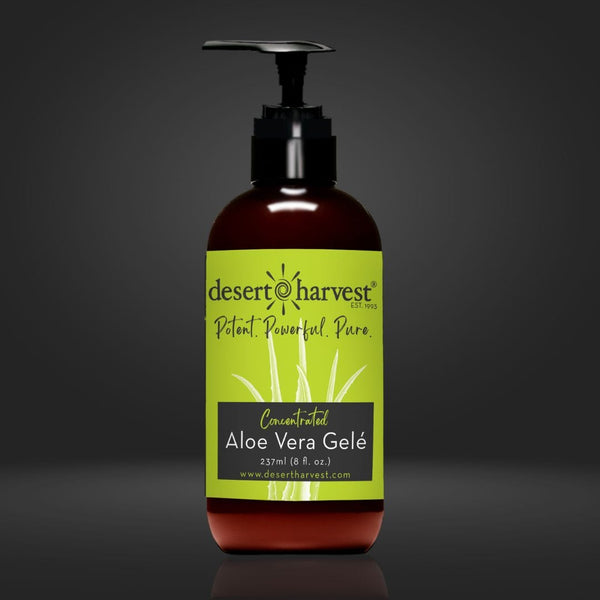
Кратко: Силикон обладает более сильной клинической базой для улучшения внешнего вида приподнятых рубцов и описывается как первоочередной вариант в рекомендациях по уходу за рубцами, тогда как Алоэ Вера ценится за комфорт, увлажнение и мягкость для чувствительной кожи. Они не являются прямыми конкурентами. Силикон — это выбор, основанный на доказательствах, для приподнятых рубцов, Алоэ Вера — повседневный уход, и некоторые люди используют оба средства. Вот нейтральное и честное сравнение, которое поможет вам сделать выбор.
Если поискать средства для рубцов, вы быстро столкнётесь с двумя лагерями: силиконовые гели и пластины с одной стороны, растительные масла и кремы с Алоэ Вера — с другой. Соблазнительно спросить, что лучше, но такой подход вводит в заблуждение. Правильнее спросить, что подходит именно вашему рубцу, вашей коже и вашим приоритетам. Давайте рассмотрим оба варианта честно.
Что говорит доказательная база о силиконe

Из всех неинвазивных вариантов силикон имеет наибольшее количество подтверждающих исследований. Международные рекомендации по уходу за рубцами, включая широко цитируемые практические руководства, опубликованные в журналах по пластической и реконструктивной хирургии, описывают силиконовый гель и пластины как первоочередной вариант для лечения гипертрофических и келоидных рубцов, а также для снижения вероятности их образования после операции. В этом контексте также был проведён обзор Cochrane по силиконовым пластинам. В литературе преимущества часто описываются как умеренные, а не драматические, но силикон остаётся наиболее доказанным средством для самостоятельного ухода.
Силикон действует, образуя тонкий, дышащий, окклюзивный слой на рубце. Обычно он хорошо переносится, хотя у некоторых людей может вызывать зуд или сухость. Обычно требуется регулярное ежедневное применение в течение многих недель или месяцев, и именно этот момент большинство недооценивает.
Где уместно Алоэ Вера
Алоэ Вера — это совсем другое предложение. В косметике оно не обладает таким же клиническим подтверждением эффективности именно для рубцов, как силикон, и не позиционируется так. Крем с высоким содержанием Алоэ Вера обеспечивает комфорт: он увлажняет, успокаивает и смягчает кожу вокруг полностью закрытого рубца, делая её более мягкой. Для людей с чувствительной, реактивной кожей, которым некоторые средства кажутся слишком агрессивными, такая мягкость действительно ценна. Мы подробнее рассматриваем реальную роль Алоэ Вера в нашей статье о Алоэ Вера и рубцах.
Алоэ Вера также естественно сочетается с ежедневным массажем, который многие считают сохраняет кожу вокруг старого рубца мягкой и гибкой. Другими словами, Алоэ Вера заслуживает своего места благодаря комфорту и постоянству, а не клиническим заявлениям.
Нейтральное сравнение бок о бок

| Особенности | Силиконовый гель или пластины | Крем с Алоэ Вера |
|---|---|---|
| Лучше всего известен | Внешний вид приподнятых гипертрофических и келоидных рубцов | Комфорт, увлажнение и мягкость на заживших рубцах |
| Доказательная база | Самый сильный из неинвазивных вариантов; первая линия в рекомендациях | Ценится косметически; нет клинических заявлений, специфичных для рубцов |
| Как работает | Тонкий окклюзивный слой на рубце | Водянистый, успокаивающий, увлажняющий растительный гель |
| Ощущение | Пленкообразный; некоторым кажется менее приятным на лице | Легкий, успокаивающий, удобный для массажа |
| Подходит для чувствительной кожи | Обычно, хотя у некоторых может появиться зуд или сухость | Часто мягкий выбор; сначала проведите тест на коже |
| Обязательность | Ежедневное использование в течение недель или месяцев | Ежедневное использование в течение месяцев; сочетается с массажем |
Как выбрать
Простой способ подумать об этом:
- Если ваш рубец приподнят, свежий или послеоперационный, силикон — это доказательный начальный этап, желательно после консультации с вашим хирургом, фармацевтом или медицинским специалистом.
- Если ваша кожа чувствительна, и ваша приоритет — ежедневный комфорт на старом, полностью закрытом рубце, крем с высоким содержанием Алоэ Вера — это мягкий и нежный выбор, который легко поддерживать.
- Если вам нравится рутина, некоторые люди используют силикон как шаг, основанный на доказательствах, а Алоэ Вера — для комфорта и массажа в другое время. Если вы комбинируете продукты, вводите их по одному.
Наш крем для рубцов Aloe Renew — это наш вариант с Алоэ Вера в первую очередь для комфортного ежедневного ухода, подходящего для чувствительной кожи, и вы можете увидеть, как он вписывается в более широкий ассортимент на нашем центре по чувствительной коже и Алоэ Вера. Что бы вы ни выбрали, настоящий секрет — это постоянство со временем, а не только продукт.
Честный итог
Это не соревнование с единственным победителем. Силикон — это выбор, основанный на доказательствах, для улучшения внешнего вида приподнятых рубцов; Алоэ Вера — мягкий и успокаивающий выбор для ежедневного ухода за полностью закрытыми рубцами и чувствительной кожей. Подбирайте вариант в соответствии с вашим шрамом, типом кожи и тем, насколько вы готовы регулярно его использовать, и консультируйтесь с врачом по поводу любых приподнятых, болезненных или изменяющихся рубцов.

Полезно знать
Часто задаваемые вопросы
Что лучше для внешнего вида рубцов — Алоэ Вера или силикон?
Можно ли использовать Алоэ Вера и силикон вместе?
Сколько времени нужно, чтобы силикон и Алоэ Вера дали результат?
Безопасен ли силикон для чувствительной кожи?

Только для наружного применения, на полностью стабилизировавшейся, неповреждённой коже. Перед первым использованием проведите тест на чувствительность и защищайте шрам от солнца. Эта статья содержит общую, нейтральную косметическую информацию о внешнем виде кожи, а не медицинские рекомендации; наши продукты с Алоэ Вера — это косметика, а не лекарства, а силиконовые продукты упоминаются лишь для баланса. Если вас беспокоит какой-либо шрам, обратитесь к врачу.