When your bladder is sore and you keep needing the loo, it is natural to wonder what you should be eating and drinking. This page gives you plain, practical answers for the next few days, and says first what food and drink cannot do.
In short: if you think you have a bladder infection, ring your GP or pharmacist, because antibiotics may be needed and food or drink will not clear an infection. In the meantime, sip plain still water through the day, choose soft, gentle foods, and leave out coffee, alcohol, fizzy drinks, citrus and spicy dishes for a few days.
First, a suspected infection needs a GP or pharmacist
A burning feeling when you pass urine, needing to go again and again, cloudy or strong-smelling urine and a dull ache low in the tummy are the usual signs of a urinary infection. Only a GP or pharmacist can tell you whether that is what you have, and a urine test is the way to be sure. If it is an infection, antibiotics may be needed. No food, drink or supplement takes their place.
Please get help promptly, not in a few days, if you notice any of these:
- blood in your urine
- pain in your back or side
- a high temperature or shivering
- symptoms that last more than a couple of days or keep coming back
- you are pregnant, or you have kidney problems or diabetes
Not sure whether it is an infection or something else? Our guide on how to tell the difference walks through the signs. What follows is for comfort while you wait for advice or while you recover. It is not a replacement for it.
What to drink
Plain still water is the foundation. It is tempting to drink less when going to the loo hurts, but strong, concentrated urine often stings more. Small sips, again and again, are usually kinder than a few big glasses.

- Spread it out. Keep a glass or bottle within reach and sip through the day. For most adults that comes to around six to eight glasses of fluid, a little more in hot weather.
- Read the colour. Pale, straw-coloured urine is a good sign that you are drinking enough.
- No special water needed. Tap water is fine. No type or brand of water does more for the bladder than another.
- No drink cleans out an infection. Water keeps your urine less concentrated, which many people find stings less. That is comfort, not a cure.
- Gentle extras. Some people also tolerate a weak herbal tea such as chamomile.
- Ease off in the evening. A smaller drink in the hour or two before bed means fewer trips at night.
If a doctor has told you to limit your fluids, for example because of a heart or kidney condition, follow that advice. Our article on how much water really helps goes into this in more detail.
Gentle foods for a few days
There is no special cystitis diet. Most people simply find that soft, mild, low-acid food sits better while the bladder is sore. These are the choices people mention most often:
- Fruit: pears, ripe bananas, melon, blueberries, apricots.
- Vegetables: potatoes, carrots, courgette, peas, broccoli, spinach.
- Grains: rice, oats, plain bread and pasta.
- Protein: chicken, turkey, fish and eggs, cooked without strong spices.
- Dairy: plain milk and milder cheeses, if you tolerate them.
So yes, you can have melon. A bowl of porridge, a plain jacket potato or chicken with rice is plenty. Eat what appeals to you, and do not worry about doing it perfectly. A needlessly narrow diet is hard to keep up and is not needed.
What many people leave out for a few days
Some foods and drinks are often reported to make a sore bladder feel worse. Not everyone reacts to them, and none of them is bad for you. Many people simply pause these until they feel settled again:

- coffee, strong tea, energy drinks and some colas
- alcohol, especially beer and wine
- fizzy drinks, and sparkling water for some people
- oranges, lemons, grapefruit, pineapple and their juices
- tomatoes and tomato sauces
- chilli and heavily spiced dishes
- artificial sweeteners
- chocolate, especially dark chocolate
Beer is on the list for two reasons: it is alcohol, and it is fizzy. If coffee is your one fixed point in the day, a smaller cup or a lower-caffeine blend is a fair middle path. Our article on foods and drinks that can irritate the bladder offers easy swaps.
Cranberry juice is a special case. Many people reach for it, but it is acidic, and many find it sharp on a sore bladder. It is not a remedy for an infection either, as we explain in UTI myths, calmly debunked.
Warmth, rest and the days after
Comfort matters as much as the menu. A covered hot-water bottle or a wheat bag held low on the tummy is a long-standing comfort for bladder ache. Wrap it in a cloth so it is warm, not hot. Rest where you can, take a gentle walk if you feel up to it, and wear loose, breathable clothes. A few minutes of slow breathing, letting your shoulders and tummy soften rather than clench, takes the edge off for many people.
Once you feel better, you can bring the other foods back one at a time. Add one item, in a normal portion, and wait a day or two before the next. A short diary of what you ate and how your bladder felt shows your own pattern far better than memory.
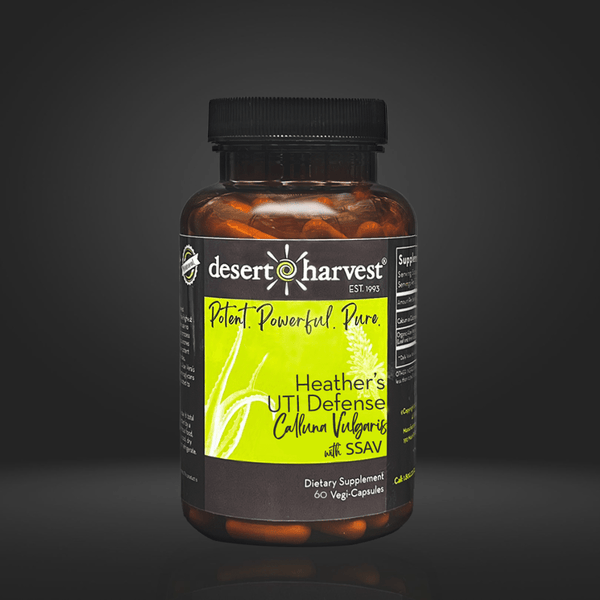
Between episodes, some people add a food supplement to their routine. Heather's UTI Defense is one capsule a day of heather (Calluna vulgaris) with Super-Strength Aloe Vera, which is purified and anthraquinone-free. A pack holds 60 vegetarian capsules. It is a food supplement for everyday urinary comfort. It does not treat an infection and is not a substitute for seeing a doctor. If you are pregnant, breastfeeding or take medication, check with your doctor or pharmacist first.
Good to know