Few areas of everyday health attract as many half-truths as the urinary tract. From well-meaning advice passed down through families to confident claims online, it can be hard to know what actually holds up. Here we look at some of the most common myths about UTIs and urinary health, calmly and without the scare tactics.
Myth: only women get UTIs
Urinary tract infections are more common in women, largely down to anatomy, but men can and do get them too — and they deserve to be taken just as seriously. We cover this in can men take urinary tract supplements.
Myth: cranberry juice cures an infection
Cranberry has a long folk reputation, and many people enjoy it as part of a daily routine. But the idea that a glass of juice will clear an established infection is not how it works. Cranberry is better thought of as one small part of everyday urinary care, not a remedy. For a measured look, see our D-mannose versus cranberry comparison.
Myth: if you hold it in, you will definitely get an infection
Regularly delaying the loo for very long stretches is not ideal for bladder comfort, but the occasional held-on journey is not a guaranteed problem. Gentle, regular bathroom habits are the sensible middle ground — neither anxious clock-watching nor ignoring the urge for hours.
Myth: more cranberry, D-mannose or water is always better
With urinary wellbeing, consistency tends to beat intensity. Drinking enormous amounts of water in one go, or taking far more of a supplement than suggested, does not multiply the benefit and can simply be uncomfortable. Steady, sensible routines work better — something our daily habits guide explores.
Myth: a clear test means nothing is wrong
Plenty of people experience real bladder discomfort even when an infection test is negative. Sensitivity, irritation from diet, or conditions such as interstitial cystitis can all be at play. A clear test is information, not dismissal — it simply points the conversation in a different direction.
Myth: supplements can prevent infections
In the EU, food supplements are not medicines and cannot claim to prevent or treat infections. What they can do is form part of a considered daily routine for general urinary wellbeing. If you are weighing up options, our EU buyer's guide is a calm place to start.
What actually helps day to day
Stripping away the myths, a few unglamorous basics tend to serve people best:
- Steady hydration through the day rather than big bursts
- Gentle, regular bathroom habits without holding on for hours
- Noticing and easing off personal dietary triggers
- A consistent routine you can actually keep up
- Seeking medical advice when symptoms are strong or persistent
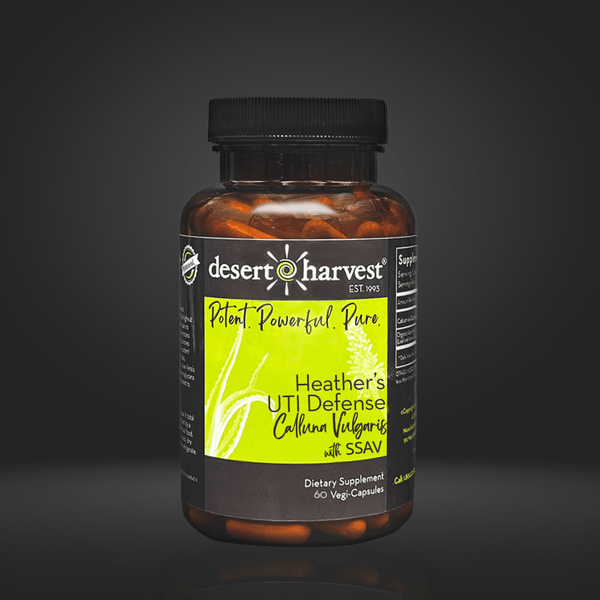
You can see how these fit together on our pillar page, urinary comfort and bladder wellbeing, and explore supportive options in the pelvic health collection. Some people choose a daily food supplement such as Heather's UTI Defense — more on the Heather's UTI Defense page.
Common questions
Is it true that I should always wee after intimacy?
Many people find a quick trip to the loo afterwards a comfortable habit, and it is a gentle, low-cost routine to keep. It is sensible self-care rather than a cast-iron rule.
Does holding urine cause permanent harm?
The occasional delay is normal life. It is the regular, long-term habit of ignoring the urge that is worth avoiding for everyday comfort.
Can I trust health claims I read online?
Be cautious of anything promising to fix or prevent. Reputable information is measured, points you to a healthcare professional where needed, and avoids dramatic promises.
Food supplements are not a substitute for a varied, balanced diet and a healthy lifestyle. If symptoms persist, please speak to your GP or pharmacist.