In short: Looking after your urinary tract is mostly about small, repeatable daily habits rather than any single quick fix. Staying well hydrated, emptying your bladder fully, sensible bathroom and intimate routines, comfortable clothing and good general health all play a part. Supplements can sit alongside these habits as part of an everyday wellbeing routine, but under EU rules no food supplement may claim to prevent or treat infections — so this guide focuses on calm, practical, evidence-aware steps you can take yourself.
If you are searching for how to support your urinary tract naturally, you have probably waded through a lot of confident, contradictory advice. The reassuring truth is that the foundations are simple and well within your control. Below we walk through the daily habits that researchers and urinary-health charities most often point to, what the evidence actually says, and where a food supplement might fit into the picture — honestly, and without overclaiming.
Why everyday habits matter
The urinary tract — your kidneys, ureters, bladder and urethra — does a quiet, continuous job of producing and clearing urine. Most of what keeps it comfortable day to day comes down to flow and routine: how much fluid passes through, how often and how completely you empty your bladder, and a few simple hygiene habits. None of these is dramatic, but together they make up the kind of bladder-friendly routine that organisations such as Bladder Health UK and the European Association of Urology (EAU) describe as sensible self-care — bodies we cite for education, not as endorsements of any product.
Daily habits that support a healthy urinary tract

Drink enough water through the day
Hydration is the habit with the strongest supporting evidence. A randomised trial led by Hooton and colleagues, published in JAMA Internal Medicine in 2018, followed 140 premenopausal women who had frequent cystitis and typically drank less than 1.5 litres of fluid a day. Those asked to drink an extra 1.5 litres of water daily had, on average, 1.7 episodes over the year compared with 3.2 in the group that did not increase their intake. The takeaway is not that more is always better — it is that being adequately hydrated, especially if you currently drink very little, genuinely supports the bladder. Sipping steadily across the day, so your urine stays a pale straw colour, is a more useful target than forcing large amounts at once.
Do not hold on, and empty fully
Routinely delaying a trip to the loo means urine sits in the bladder for longer. Most guidance suggests going when you feel the need rather than holding on for convenience, and taking a moment to empty completely rather than rushing. A relaxed, unhurried bathroom routine is one of the easiest habits to build and costs nothing.
Mind your bathroom and intimate routine
A few gentle hygiene habits are widely recommended. Wiping from front to back helps keep bacteria that naturally live around the bowel away from the urethra, and many people find it helpful to pass urine within a short while after sex. Harsh, heavily perfumed soaps, douches and intimate sprays can disturb the natural balance of the area, so plain water or a mild, unperfumed wash is usually kinder. These are comfort-and-care habits rather than guarantees, but they are simple and low-risk.
Choose breathable, comfortable clothing
Breathable cotton underwear, avoiding very tight clothing for long stretches, and changing out of damp swimwear or gym kit promptly can all help the area stay cool and dry. None of this is a medical intervention — it is simply about comfort and a sensible routine.
Support your wider health

The urinary tract does not exist in isolation. Eating enough fibre and staying hydrated helps keep the bowel regular, since constipation can make bladder comfort harder to maintain. A varied, balanced diet, regular movement and good sleep all support your general wellbeing, and the bladder benefits along with everything else. If you have gone through the menopause, you may notice changes in urinary comfort as oestrogen levels fall — this is common, and worth a calm conversation with your GP or pharmacist.
Where supplements fit — honestly
Many people building a bladder-friendly routine also wonder about supplements. Here it is worth being straight about the evidence and the law. The two best-known urinary ingredients are cranberry (and the proanthocyanidins, or PACs, inside it) and D-mannose, a simple sugar. The picture from recent research is mixed: a 2023 Cochrane review found cranberry offered a modest reduction in recurrence for some groups, while the large 2024 UK MERIT trial of 598 women found daily D-mannose performed no better than a placebo. You can read our fuller, neutral breakdown in D-Mannose vs Cranberry: A Calm, Evidence-Aware Comparison.
Crucially, the European Food Safety Authority (EFSA) has not authorised any health claim for cranberry, D-mannose or heather in relation to urinary infections. That means no food supplement sold in the EU — ours included — may claim to prevent, treat or reduce the risk of a urinary tract infection. We think that honesty is a feature, not a drawback.
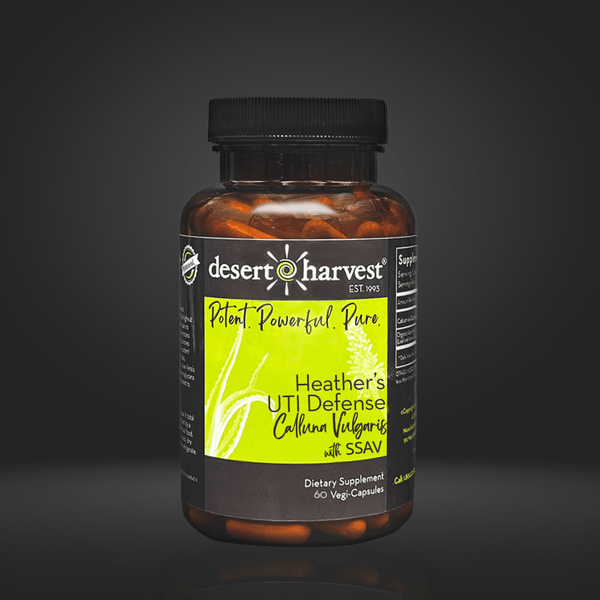
Against that backdrop, heather (Calluna vulgaris) is an interesting European option — a botanical with a long heritage in European herbal tradition, and the ingredient behind our heather food supplement, a natural daily companion for those who want one alongside good hydration and the habits above. We offer it as part of an everyday urinary and bladder wellbeing routine — not as a medicine, and not as a substitute for any of the self-care steps in this article. For wider context on how the different ingredients compare, see our pillar guide on urinary comfort and bladder wellbeing.
When to speak to a professional

Daily habits are about everyday comfort and maintenance, not about managing illness. If you have burning or pain when passing urine, need to go far more often than usual, notice blood in your urine, have lower-back or side pain, a fever, or any symptom that worries you, please contact your GP or pharmacist promptly. Urinary infections are common and treatable, and they are something to discuss with a healthcare professional rather than to self-manage with food or supplements. The same applies if you are pregnant, breastfeeding, taking medication or managing a health condition and are considering a new supplement.
Good to know
Frequently asked questions
Does drinking more water help your urinary tract?
Why do I keep getting UTIs?
Can supplements replace antibiotics for a UTI?
Can men take urinary tract supplements too?

Food supplements are not a substitute for a varied, balanced diet and a healthy lifestyle. The information above is general educational content and is not medical advice, and our products are food supplements, not medicines intended to diagnose, treat, cure or prevent any disease. If you have recurrent urinary symptoms or any health concern, please consult your doctor or pharmacist.