The short version: staying well hydrated is one of the simplest, most sensible things you can do for your bladder. Research in people who habitually drink very little suggests that increasing water intake may be associated with fewer recurrent episodes of cystitis. Water is not a guaranteed shield, and it is not a replacement for medical care, but good hydration is a genuinely useful part of a bladder-friendly routine.
Does drinking water prevent UTIs?
This is one of the most common questions people ask about urinary health, so let us answer it honestly. No food, drink or supplement can be said to prevent a urinary tract infection (UTI) — that is a medical outcome, and in the EU no such claim is authorised for water or for any supplement. What the evidence does suggest is more nuanced, and more encouraging: for people who drink very little, drinking more water appears to be linked with how often recurrent infections happen.
The clearest signal comes from a randomised trial published in JAMA Internal Medicine in 2018 (Hooton and colleagues). It followed 140 premenopausal women who had three or more UTIs a year and who habitually drank less than 1.5 litres of fluid a day. Those asked to add 1.5 litres of water daily averaged 1.7 infection episodes over the following year, compared with 3.2 in the group who did not change their intake — and they used roughly half as many courses of antibiotics. That is a meaningful difference from a free, low-risk habit, although it is worth noting it applied specifically to people who started out drinking very little.
How water and your bladder work together

Your kidneys filter water and waste from the blood to make urine, which collects in the bladder until you pass it. When you drink more, you produce more urine and tend to empty your bladder more often. Two things follow naturally: your urine becomes more dilute, and it moves through the urinary tract more frequently. In broad terms, that is simply how the urinary system keeps itself ticking over — regular flow is part of normal bladder function. Researchers have explored whether this more frequent, more dilute flow is part of why better-hydrated people sometimes report fewer urinary troubles, and the 2018 trial above is consistent with that idea.
How much water is “enough”?
The European Food Safety Authority (EFSA) sets an adequate intake for total water of about 2.0 litres a day for women and 2.5 litres for men. “Total” is the important word: this figure includes the water already in food — soups, fruit, vegetables — which contributes roughly 20% of a typical intake, with drinks making up the rest. In practice that works out to somewhere around six to eight glasses of fluid a day for most adults, with a little more in hot weather, during exercise, or if you are breastfeeding.
A simple way to read your hydration
You do not need to count millilitres. Pale, straw-coloured urine and rarely feeling thirsty are reasonable signs you are drinking enough; dark urine and infrequent trips to the loo suggest you could do with more. Spreading your intake across the day is gentler on the bladder than drinking a litre in one go, and most people find it easier to keep a glass or bottle within reach as a quiet prompt.
Can you drink too much?

Balance matters here. For most healthy adults, drinking a little more than usual simply means a few more visits to the bathroom. Drinking dramatically more than the body needs offers no extra benefit and, in rare and extreme cases, can dilute the blood’s sodium. People living with certain heart or kidney conditions may also be advised to limit fluids, so they should always follow their clinician’s guidance. The message is not “more is always better” — it is consistent, adequate hydration.
Hydration as part of a bladder-friendly routine
Water is one habit among several that, together, support everyday urinary comfort. None of these is a treatment, but most are gentle, sensible and easy to keep up:
- Go when you need to. Routinely holding on for long stretches is harder on the bladder than passing urine when the urge arrives.
- Mind your usual triggers. Some people notice that a lot of caffeine, alcohol or very fizzy drinks leaves their bladder feeling more sensitive; if that sounds familiar, easing back can help.
- Keep up everyday hygiene basics. Simple personal-care habits are part of looking after the urinary area day to day.
- Account for life stage. After the menopause, falling oestrogen changes the tissues of the urinary tract, which can affect comfort, so a calm, informed approach helps.
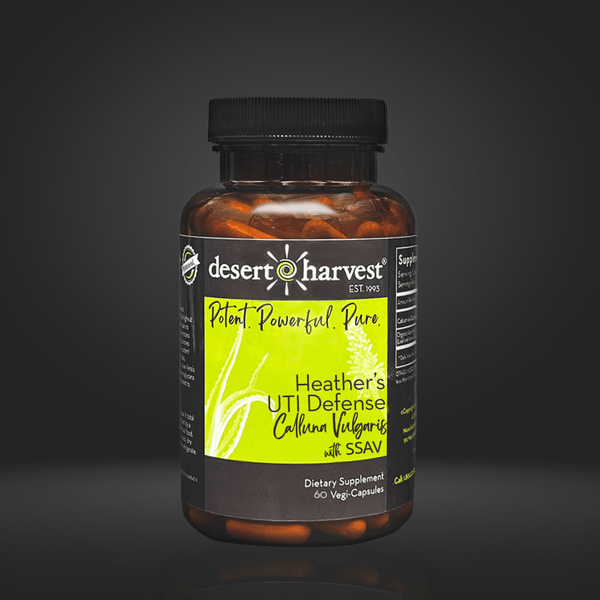
Plenty of people like to build a small daily ritual around their urinary wellbeing. Alongside good hydration, some choose a food supplement as part of that routine — for example a heather (Calluna vulgaris) food supplement, a botanical with a long heritage in European herbal tradition. It is worth being clear that supplements of this kind are foods, not medicines: they are there to support your everyday urinary comfort and bladder wellbeing routine, not to treat or prevent anything. If you would like to go further on the everyday side, our guide to daily habits that support a healthy urinary tract covers more ground.
If a natural daily companion alongside good hydration appeals to you, you can take a look at our own option, a heather (Calluna vulgaris) food supplement.
When to seek medical advice
Hydration helps with everyday comfort, but it is not a substitute for medical care. If you have symptoms that may point to an infection — burning when you pass urine, needing to go very urgently or often, cloudy or strong-smelling urine, lower-tummy or back pain, or a fever — speak to a pharmacist or GP. Organisations such as the European Association of Urology (EAU) and Bladder Health UK publish clear, reliable information for anyone wanting to understand recurrent urinary symptoms in more depth. If your symptoms keep coming back, your clinician can look at the bigger picture with you, including life-stage factors such as the menopause.

Good to know
Frequently asked questions
Does drinking more water help your urinary tract?
Why do I keep getting UTIs?
Can supplements replace antibiotics for a UTI?
Can men take urinary tract supplements too?

This article is for general education and is not medical advice. Our heather (Calluna vulgaris) supplement is a food supplement, not a medicine, and is not intended to diagnose, treat, cure or prevent any disease. Food supplements are not a substitute for a varied, balanced diet or a healthy lifestyle, and should not replace medical care. If you have urinary symptoms or a diagnosed condition, are pregnant or breastfeeding, or take any medication, please consult your doctor or pharmacist.