Interstitial cystitis, also called bladder pain syndrome (IC/BPS), is not found with one scan or one blood result. If you suspect it, or you have just been referred, it helps to know what the process looks like and what the tests are for.
In short: there is no single test for IC/BPS. Doctors use tests to check for other conditions that could explain your symptoms, such as an infection, and the diagnosis rests on the pattern of your symptoms once those are ruled out. You may need several tests, and it can take time.
Where a diagnosis usually starts
In the UK it usually starts with your GP, and may lead on to a urologist or a specialist continence service. Elsewhere in Europe, a urologist or a gynaecologist is often the first port of call. Your doctor may call it bladder pain syndrome or interstitial cystitis. Both names mean the same condition.
The NHS says to see a GP if you have pain in your bladder, lower tummy or back that does not go away or keeps coming back, or if you are peeing much more than usual. Our guide to IC/BPS explains what the condition is and what can set it off. This page stays with the diagnosis.
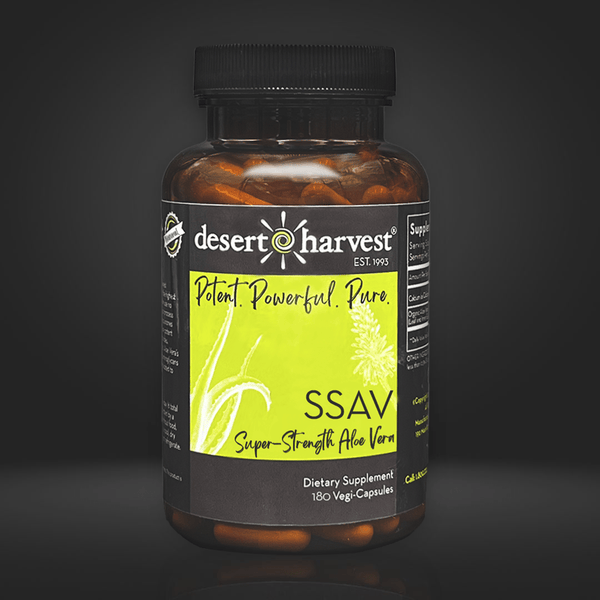
 Related productSuper-Strength Aloe Vera (SSAV) Capsules – for Interstitial Cystitis (IC/BPS) & a Sensitive Bladder4.88· 957 reviews€72,95
View product
The tests your doctor may offer
The NHS lists the tests that may be used to check for other conditions. You are unlikely to have all of them. Your doctor chooses what fits your symptoms.

- A urine test. You pass a sample of pee, mainly to look for infection.
- A blood test. A sample of blood, to check for other causes.
- A physical examination. Of your pelvis and genitals, which may include an internal vaginal exam.
- An ultrasound scan. A scan of your tummy.
- A cystoscopy. A look inside the bladder through a thin tube with a camera inside it.
- Measuring the pressure inside the bladder. Done with a thin tube, called a catheter.
Your doctor may also ask you to fill in symptom questionnaires and to keep a voiding diary. They are not tests in themselves, but they help your doctor see your pattern.
The tests are there to check for other possible causes. These include a urinary tract infection, bladder stones, sexually transmitted infections, kidney stones, endometriosis and bladder cancer. Checking for them is a routine part of the process.
Does interstitial cystitis show up in a urine test?
Usually it does not. With a urinary tract infection, a urine test generally shows bacteria. With IC/BPS, urine samples typically come back clear, even though the pain and the need to pee are real.
That clear result is itself a clue. Perhaps you have had several courses of antibiotics for what looked like cystitis, they made little difference, and your samples came back negative. If so, tell your doctor. Our article on interstitial cystitis versus a UTI sets out how the two compare.
The NHS also notes that some long-term infections are hard to pick up, because urine tests do not always show them. If you have been treated for a UTI but still have symptoms, ask your GP about a referral to a specialist.
Cystoscopy: what to ask your clinic
A cystoscopy is a look inside your bladder using a thin tube with a camera inside it. It is one of the tests the NHS lists, but not everyone has one.

Many women search for how to prepare, whether it is done under an anaesthetic and what happens afterwards. The honest answer is that this depends on the clinic and on you, so we will not guess. The clinic gives its own instructions when you are booked in. Ask them:
- How should I prepare, and can I eat and drink beforehand?
- Will it be done with or without an anaesthetic?
- Can I go home afterwards, and should someone come with me?
- When will I hear the result?
If a test has been suggested and you do not understand why, it is fine to ask your specialist to explain it.
Why it can take time, and how to make appointments count
IC/BPS is widely regarded as under-recognised. Its symptoms overlap with recurrent UTIs, overactive bladder and gynaecological pain, so many people wait years between the first symptoms and a clear answer. That is frustrating, and it is not your fault.
A few things that make each appointment more useful:
- A diary. Write down what you drink, what you eat, how often you pee and when the pain is worse. The NHS suggests a food diary and a record of fluids and toilet visits.
- A list of your medicines and past tests. Including earlier urine results and any courses of antibiotics.
- Your questions on paper. So that you do not forget them in the room.
- Our IC/BPS questionnaire. You can fill it in and bring it along. It is not a diagnosis and does not replace one.
Some symptoms need a GP quickly. Ask for an urgent GP appointment (in the UK you can also call NHS 111) if you have blood in your pee, which may look bright pink, red or dark brown, or if you have bladder, lower tummy or back pain together with a very high temperature, or if you feel very hot, or cold and shivery. These can be signs of an infection.
While you wait for answers, do not stop or change any medicine your doctor has given you. For gentle ideas for the days in between, see our starter guide to living with interstitial cystitis.
For people living with IC/BPS, one product note. Super-Strength Aloe Vera (SSAV) is Desert Harvest's freeze-dried, purified, anthraquinone-free Aloe Vera, concentrated 200:1, in vegan capsules. The label says three capsules twice a day, each time with about 240 ml of liquid, and a 180-capsule bottle lasts about a month. It is a food supplement that many people with IC/BPS build into their routine. It is not a medicine, and it never replaces a diagnosis or comes before one. If you are pregnant, breastfeeding or take prescription medicine, ask your doctor or pharmacist before adding any supplement. See Super-Strength Aloe Vera (180 capsules).
Good to know