If you have recently been told you have interstitial cystitis (IC), also known as bladder pain syndrome (BPS), it is normal to feel overwhelmed. This gentle starter guide explains what the condition is, how it is recognised across the UK and Europe, and the everyday, gentle self-care habits many people build into a calm bladder-friendly routine. It is educational only and is not medical advice.
What interstitial cystitis actually is
Interstitial cystitis is a long-term condition involving discomfort, pressure or pain in the bladder and pelvic area, often alongside a frequent or urgent need to pass urine. Unlike a urinary tract infection (UTI), it is not caused by bacteria, so antibiotics do not resolve it. Symptoms tend to come and go in flares, and they vary a great deal from one person to the next.
Researchers do not yet fully agree on a single cause. One area of interest is the bladder's protective inner lining, sometimes called the GAG layer (glycosaminoglycan layer), which is thought to act as a barrier between urine and the sensitive bladder wall. You can read a plain-English explainer of this in our pillar guide, Aloe Vera and the Sensitive Bladder.
How common is it in the UK and Europe?

Interstitial cystitis is more common than many people realise, yet it is widely under-diagnosed. The COB Foundation, a UK charity for IC/BPS, estimates that around 400,000 people in the UK live with the condition, the large majority of them women. Across continental Europe the picture is patchier: the Netherlands, for example, records only a few thousand people in active treatment, which most experts believe reflects under-diagnosis rather than genuine rarity.
One practical consequence is that many people search for help under several different names, including "bladder pain syndrome", "painful bladder", "interstitiële cystitis" in Dutch, "interstitielle Zystitis" in German and "cystite interstitielle" in French. If one term draws a blank with a clinician or pharmacist, it is worth trying another.
Getting a diagnosis and building a care team
IC is usually diagnosed by ruling other things out, such as infection, rather than by a single definitive test. In the UK that journey often starts with a GP and may lead to a urologist or a specialist continence service; in other European countries a urologist or gynaecologist is a common first port of call. Keeping a simple symptom and food diary before appointments can make these conversations far more productive.
Because IC is a recognised medical condition, any decisions about treatment, medication or procedures should be made with a qualified healthcare professional. The lifestyle ideas below are not a replacement for that care; they are the everyday self-management habits people often layer on top of it.
Everyday ways people support bladder comfort

There is no single routine that suits everyone, but several gentle, low-risk habits come up again and again in patient communities and charity guidance.
A bladder-friendly diet
Many people find that certain foods and drinks coincide with flares. Commonly cited triggers include caffeine, alcohol, fizzy drinks, very acidic fruits, tomatoes, and spicy or heavily processed foods, although triggers are highly individual. The usual advice is not to ban everything at once but to remove a few likely culprits, then reintroduce them slowly to learn your own pattern. Staying well hydrated with plain water is generally encouraged, as overly concentrated urine can feel more irritating.
Routines, stress and the pelvic floor
Stress and poor sleep are frequently reported alongside flares, so calming routines, gentle movement such as walking or yoga, and good sleep habits can all play a part. Many people also benefit from working with a pelvic-health physiotherapist, as tense pelvic-floor muscles can add to bladder discomfort. Small, consistent habits tend to help more than dramatic, short-lived changes.
The food-supplement category, briefly
A number of food supplements are popular within the IC community as part of a daily routine. These include Aloe Vera, calcium glycerophosphate, quercetin, magnesium and others. It is important to be clear that these are foods, not medicines: in the EU and UK they may not be sold as treatments for any condition, and no Aloe Vera health claims are currently authorised. They are chosen by many people as part of a bladder-friendly lifestyle, not as a cure.
Where Aloe Vera fits into the conversation
Aloe Vera has a long history within sensitive-bladder communities, and it remains one of the most discussed supplements in this space. The most relevant detail for newcomers is quality and composition rather than any promised outcome. All Aloe Vera naturally contains compounds called anthraquinones, including aloin, concentrated in the latex just under the leaf skin, which is why some products carry cautions. The thing to look for is not which part of the leaf was used but whether those anthraquinones have been removed. An anthraquinone-free, purified preparation has had the aloin taken out, so it sits outside that concern.
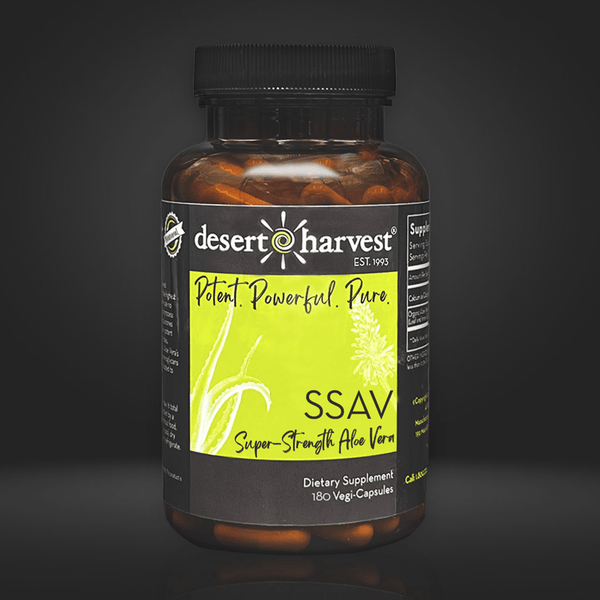
This distinction matters in Europe for regulatory reasons too. EU Regulation 2021/468 had restricted Aloe Vera leaf preparations containing hydroxyanthracene derivatives in food, but the EU General Court annulled those entries on 13 November 2024 in case T-189/21 (Aloe Vera of Europe v Commission), with danthron the only exception. Regardless of the legal back-and-forth, a purified, aloin-removed product avoids the issue by composition. Our Super-Strength Aloe Vera is a freeze-dried, anthraquinone-free, decolourised Aloe Vera food supplement, naturally a source of Aloe Vera polysaccharides including acemannan. We offer it as one calm option among many, never as a treatment. For a deeper, neutral look at the evidence and the science, see the articles in our Aloe Vera and the Bladder blog.
Finding trustworthy support
One of the most reassuring steps after a diagnosis is realising you are not alone. In the UK, the COB Foundation and Bladder Health UK offer free, evidence-based information and peer support. Internationally, the Interstitial Cystitis Association and the European Association of Urology publish patient guidance. These organisations are independent charities and bodies; we reference them as trusted sources of information, not as endorsements of any product.
Living well with IC is usually about patience and small adjustments rather than a single fix. Build your routine gradually, keep your healthcare team informed, and give any change a fair amount of time before judging it.

Good to know
Frequently asked questions
What is the difference between interstitial cystitis and a UTI?
What foods should I avoid with interstitial cystitis?
Can men get interstitial cystitis too?
Is Desert Harvest Aloe Vera available across Europe and the UK?

Desert Harvest Super-Strength Aloe Vera is a food supplement. Food supplements should not be used as a substitute for a varied and balanced diet and a healthy lifestyle. This article is for general education only and is not medical advice; it does not diagnose, treat or prevent any condition. If you are pregnant, breastfeeding, taking medication or have a diagnosed condition such as interstitial cystitis, please speak to your doctor or pharmacist before changing your routine.