If your bladder feels sore, urgent and frequent, it is natural to assume you have a urinary tract infection (UTI). Sometimes you do. But when the discomfort keeps returning and antibiotics make little difference, the cause may be interstitial cystitis (IC), also called bladder pain syndrome (BPS). The simplest way to tell them apart: a UTI is an infection that shows bacteria on a urine test and clears with antibiotics, whereas interstitial cystitis is a chronic condition with a sterile urine sample and no single, treatable cause.
The two share a confusing amount of overlap, which is exactly why IC is so often misread as one UTI after another. This calm, plain-English guide walks through what each condition is, the differences that actually matter, and when it is worth asking your doctor to look again.
What is a urinary tract infection (UTI)?
A UTI is an infection of the urinary system, most commonly the bladder (the kind of bladder infection often called cystitis). It is usually caused by bacteria, with Escherichia coli (E. coli) responsible for the large majority of cases. Symptoms tend to arrive suddenly and may include:
- A burning or stinging feeling when you pass urine
- Needing to go often, and urgently, sometimes for only a few drops
- Cloudy, dark or strong-smelling urine, occasionally with traces of blood
- Aching low in the abdomen or lower back
- Feeling generally unwell; a fever can signal the infection has spread and needs prompt care
Crucially, a UTI is detectable. A dipstick test or a laboratory urine culture will usually show bacteria or signs of infection, and the right antibiotic typically settles symptoms within a few days.
What is interstitial cystitis (IC/BPS)?

Interstitial cystitis, or bladder pain syndrome, is a chronic condition characterised by bladder pain or pressure and a frequent, urgent need to urinate, lasting weeks, months or years, in the absence of infection or another identifiable cause. According to the COB Foundation and Bladder Health UK, an estimated 400,000 people in the UK live with IC, around 90% of them women, though the condition is widely thought to be under-diagnosed across Europe.
Because there is no single test that confirms IC, it is largely a diagnosis of exclusion: clinicians rule out infection, bladder stones, sexually transmitted infections and other conditions first. The European Association of Urology (EAU) and other specialists describe it as a clinical syndrome of urinary frequency, urgency and pelvic pain of unknown origin. Many people notice their symptoms come in waves, settling for a time and then flaring, sometimes after certain foods, stress or their menstrual cycle.
Interstitial cystitis vs UTI: the key differences
Although both can cause urgency, frequency and discomfort, several features usually separate them.
| Feature | UTI | Interstitial cystitis (IC/BPS) |
|---|---|---|
| Cause | Bacterial infection (often E. coli) | Chronic, no single confirmed cause |
| Onset | Sudden, over hours to a day or two | Gradual; persistent or recurring over time |
| Urine test | Bacteria or infection markers present | Typically sterile, no bacterial growth |
| Pain pattern | Burning on passing urine | Pain or pressure that often eases briefly after emptying and builds as the bladder fills |
| Antibiotics | Usually resolve symptoms | Little or no lasting effect |
| Duration | Days, with treatment | Long-term, with flares and quieter spells |
The urine test is the deciding factor
This is the single most useful distinction. With a UTI, a urine sample generally shows bacteria or signs of infection. With interstitial cystitis, repeated cultures usually come back clear. If you keep being told your sample is negative yet your symptoms persist, that pattern itself is an important clue worth raising with your doctor.
How the pain behaves
UTI pain is classically a burning sensation while passing urine. IC discomfort is often described as a deeper ache or pressure that may ease for a few minutes after you empty your bladder and then return as it refills, which can drive a cycle of going to the toilet very frequently throughout the day and night.
Why interstitial cystitis is so often mistaken for a UTI

Because the early symptoms look almost identical, many people with IC are treated for recurrent UTIs for months or even years before the picture becomes clear. Repeated courses of antibiotics that do not help, alongside urine samples that keep coming back negative, are a common part of many IC journeys. Recognising that pattern, rather than assuming each flare is a fresh infection, is often the turning point towards the right diagnosis and support.
When to see a doctor
This article is general education, not medical advice. You should always speak to a healthcare professional to get a proper diagnosis. It is sensible to seek medical attention promptly if you have:
- A fever, chills, or pain in your side or back, which can suggest a kidney infection
- Blood in your urine
- Symptoms that do not improve with treatment, or that keep returning
- Bladder pain alongside repeatedly negative urine tests
A doctor or pharmacist can test for infection, consider other causes and, where appropriate, refer you to a urologist. Keeping a simple symptom-and-food diary before your appointment can help paint a clearer picture.
Living day to day with a sensitive bladder
Whether you are recovering from infections or managing a longer-term sensitive bladder, many people build a calm daily routine around staying well hydrated, noticing which foods seem to settle or unsettle things, gentle movement and stress management. Our pillar guide, Aloe Vera and the Bladder, gathers this in one place, and our gentle starter guide to living with interstitial cystitis is a good next read if you are newly diagnosed.
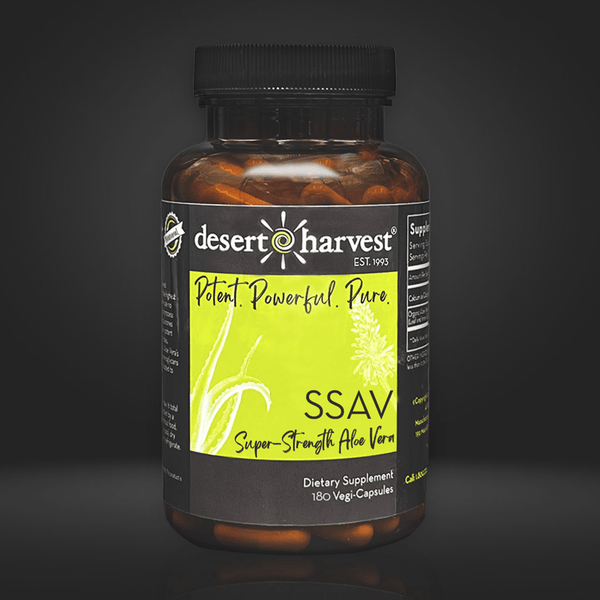
Some people also choose to include a food supplement as part of that routine. Super-Strength Aloe Vera is a freeze-dried, anthraquinone-free Aloe Vera food supplement (purified so the aloin is removed and concentrated 200:1), chosen by many people with a sensitive bladder as part of their everyday wellbeing. It is a food supplement, not a medicine, and is not intended to treat, prevent or cure any condition. It is offered here simply as one option among many within a bladder-friendly lifestyle, distinct from any medical treatment your doctor provides.

Good to know
Frequently asked questions
What is the difference between interstitial cystitis and a UTI?
Is Aloe Vera safe for a sensitive bladder?
Can Aloe Vera irritate the bladder?
Is Aloe Vera legal in food supplements in the EU?

Food supplement. Not a substitute for a varied and balanced diet or a healthy lifestyle. This article is for general education and is not medical advice; it does not diagnose, treat, prevent or cure any condition. If you have ongoing bladder symptoms, please consult your doctor or pharmacist, especially if you are pregnant, breastfeeding or taking medication.