If you have just been told you have interstitial cystitis (IC), also called bladder pain syndrome (BPS), the question under all the others is usually this one: will it ever go away? Here is a straight answer, then what living with it tends to look like.
In short: there is currently no cure for IC/BPS. It is a long-term condition, not an infection, so it does not clear up the way a urine infection can. Its symptoms usually come and go, with flare-ups and better spells. Many people find their days become calmer and more predictable as they learn their own patterns.
Does interstitial cystitis go away, and can it be cured?
The NHS says there is currently no cure for bladder pain syndrome. It also says that treatments can help manage symptoms such as pain, and that your doctor will talk through the options with you. That is hard to read when you hoped for a different answer.
What the NHS also describes is a pattern. Symptoms can come and go over time. There are usually times when they get worse, called flare-ups, and times when they are better. A good stretch is real, and it is welcome, but it is not the same as the condition being gone.
IC is not a bladder infection, which is why antibiotics do not help and urine tests often come back clear. Our complete guide to IC/BPS explains the condition in full, and our comparison of IC and a UTI shows how to tell the two apart.
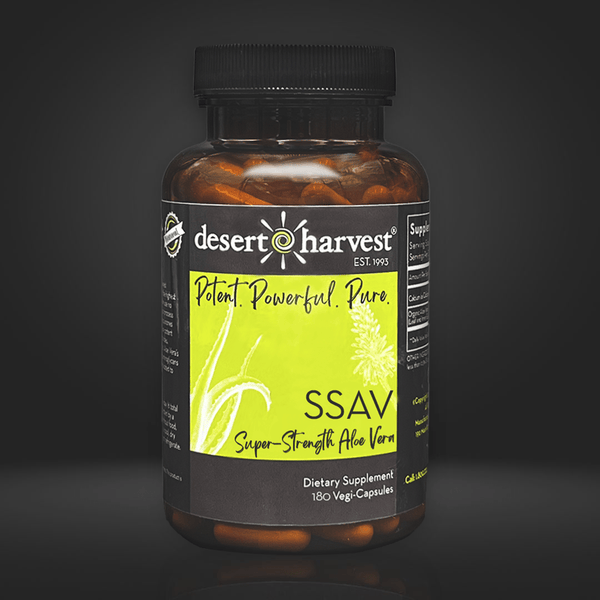
 Related productSuper-Strength Aloe Vera (SSAV) Capsules – for Interstitial Cystitis (IC/BPS) & a Sensitive Bladder4.88· 957 reviews€72,95
View product
What living with it looks like, week to week
Long-term does not mean every day is the same. For most people, living with IC/BPS means a mix of quieter stretches and harder days.

Flares and quiet spells
On a harder day, the NHS says you may notice:
- pain in your bladder, lower tummy or back
- a feeling that you need to pee, even when your bladder is empty
- peeing often, usually small amounts, during the day
- waking at night to pee
- pain during sex
Many people find that flares coincide with certain foods and drinks, and with stress or poor sleep. Triggers are very personal, and a simple diary of what you eat, drink and do is the most reliable way to spot your own.
How long does a flare last?
It varies a great deal. Some flares settle within hours, and others linger for days. Noting your own helps you learn your usual pattern, which makes each one less frightening. Our calm routine for getting through a flare sets out what to reach for when one starts.
Over the years
Nobody can tell you how your own years will go. What many people describe is that, as they learn their own patterns and find the everyday approaches that settle things down, their days become calmer and more predictable. Many live full, comfortable lives once they know their bladder well.
Is interstitial cystitis serious?
IC/BPS is a real, recognised condition. The discomfort is not imagined, and you are not being dramatic. It can weigh on everyday life: waking at night, planning your day around where the toilets are, pain during sex, and the frustration of not feeling believed. The NHS lists mental health support, for low mood or anxiety, among the care on offer.
Help exists. If treatment is not working or your symptoms are severe, the NHS says you may be referred to a urologist, a specialist in bladder conditions. Other support includes bladder retraining exercises and help with managing long-term pain.
If you are worried about what IC means for your health in the long run, please ask your GP or urologist. They know your history.
What people do day to day
Alongside your doctor's advice, people living with IC/BPS describe a handful of everyday habits. None of them is a cure. They are about comfort, and about knowing your own bladder.

- A food and drink diary. The NHS advises keeping one, because certain foods and drinks may make symptoms worse. Spicy food, acidic food such as citrus fruit, alcohol and caffeinated drinks such as tea and coffee are the usual suspects.
- Steady sips of water. Going without can make urine more concentrated, and concentrated urine often feels more irritating.
- Gentle movement and relaxation. Walking, swimming or yoga, and techniques such as meditation, may help with some symptoms, according to the NHS.
- A pelvic-health physiotherapist. Tense pelvic-floor muscles can add to bladder discomfort, so many people work with one.
- Someone to talk to. Low mood and anxiety are worth mentioning to your GP rather than carrying alone.
Our gentle starter guide to living with interstitial cystitis covers these habits in more detail and names UK charities that offer free information and peer support.
Some people also add a food supplement to their routine. Super-Strength Aloe Vera (SSAV) is Desert Harvest's freeze-dried, purified, anthraquinone-free Aloe Vera in capsules, made for daily use, which many people living with IC/BPS build into their routine. It is a food supplement, not a medicine, and we make no claim about any condition. If you are pregnant, breastfeeding, have kidney problems or take any medication, check with your doctor or pharmacist before starting any supplement.
When to see your GP
Self-care is for the familiar pattern you already know. See a GP if you have pain in your bladder, lower tummy or back that does not go away or keeps coming back, or if you are peeing much more than usual. A flare that feels different from your usual, or pain in your back or side, deserves attention too.
Ask for an urgent GP appointment, or call NHS 111 if you are in the UK, if you have:
- blood in your pee, which may be bright pink, red or dark brown
- bladder, lower tummy or back pain with a very high temperature, or feeling very hot, or cold and shivery, which could be signs of an infection
Please do not stop or change any medicine you have been prescribed without talking to your doctor first.
Good to know