Aloe Vera and hyaluronic acid: two ways to add moisture
If you have sensitive skin and a shelf full of "hydrating" products, two names come up again and again: Aloe Vera and hyaluronic acid. They sound interchangeable, but they do slightly different jobs — and the good news is you rarely have to choose one over the other.
The short version: Aloe Vera is a light, water-rich gel that soothes and softens as it sits on the skin. Hyaluronic acid is a humectant, which means it draws water into the upper layers and holds it there. One is a comforting cushion, the other is a sponge.
What Aloe Vera does well
Aloe Vera is mostly water, with the plant's natural sugars giving it that cool, gel-like feel. It absorbs quickly, leaves very little residue and tends to sit well on reactive skin because a good gel has a short ingredient list. People reach for it after sun, after shaving and on days when skin simply feels warm and tight.
What hyaluronic acid does well
Hyaluronic acid is brilliant at pulling moisture into the skin, which can leave it looking plumper and feeling less papery. The catch is that in very dry air it can draw water from deeper down rather than from the room, so it works best applied to damp skin and sealed with a moisturiser on top.
Which should sensitive skin choose?
For most people the honest answer is both, used for different reasons:
- Reach for Aloe Vera when skin feels hot, tight or freshly irritated and you want a calm, cooling layer.
- Reach for hyaluronic acid when skin looks dehydrated, dull or crepey and needs a moisture boost.
- Layer them by applying the watery hyaluronic serum first, then Aloe Vera, then a moisturiser to lock everything in.
- Keep it simple on reactive days — one gentle hydrator and a moisturiser is plenty.
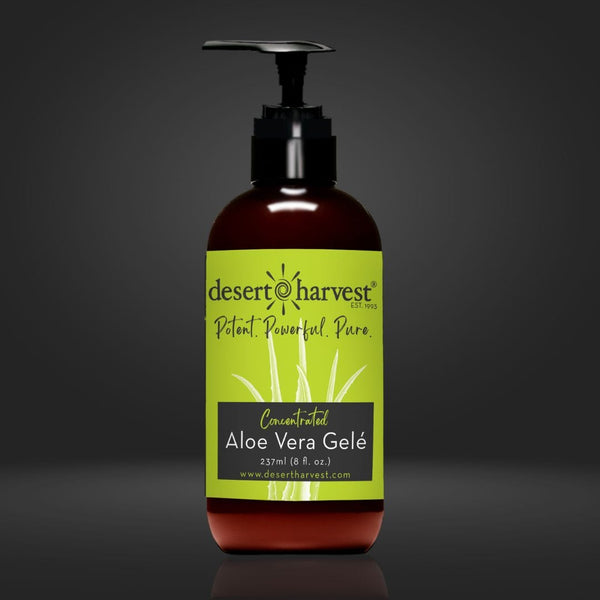
Whatever you pick, the rules of caring for sensitive skin still apply: patch test, go fragrance-free where you can, and add one new thing at a time. A pure Aloe Vera gel is an easy place to start, and you can build the rest of your routine from our skin and body care range.
If you are not sure your Aloe Vera is as pure as it claims, our guide to reading an Aloe Vera label will help, and our gentle daily face routine shows where it fits in.
Common questions
Can I use Aloe Vera and hyaluronic acid together?
Yes. Apply the hyaluronic serum to slightly damp skin first, follow with Aloe Vera, then seal with a moisturiser. They complement each other rather than clash.
Is Aloe Vera a moisturiser on its own?
It adds water and comfort, but it is light and can evaporate. On dry days, always follow Aloe Vera with a proper moisturiser to hold the moisture in.
Which is gentler for very reactive skin?
Both can be gentle. A pure, fragrance-free Aloe Vera gel has a very short ingredient list, which some sensitive skins prefer. As always, patch test before committing.
This article is general skincare information for sensitive, reactive skin and is not medical advice. If your skin is broken, infected or not settling, or if you are unsure about a flare, please speak to a pharmacist, GP or dermatologist.