Some foods turn up on every "be careful with this" list and still sit at the heart of the meals we love most. Tomatoes, citrus and wine are the classic trio — bright, generous, sociable and reliably acidic. If you already follow an IC-friendly approach to higher-acid foods, you have probably wondered whether the only option is to give them up. This article takes a gentler line: building a simple, repeatable routine around them rather than around avoidance.
Why tomatoes, citrus and wine keep coming up
The three share a common thread. They are naturally acidic, and that acidity is part of what makes them taste so vivid. Tomatoes run through ragùs, shakshuka, bruschetta and almost anything involving a tin and a slow Sunday. Citrus brightens dressings, marinades and puddings. Wine tends to arrive alongside exactly the dishes the other two appear in. Dietary guidance from the ICA and the IC Network groups them with other higher-acid favourites, which is why they feature so often in everyday conversations about food acid and the bladder.
The idea behind a pre-meal buffer
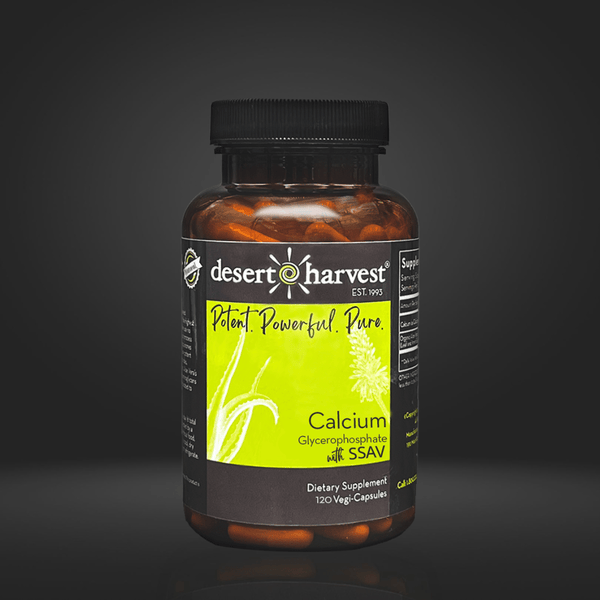
A pre-meal acid buffer works on the food, not on you. Calcium glycerophosphate may help reduce the acid content of foods and drinks, so the meal that reaches the table is a little less sharp than it would otherwise be. It is the same active ingredient many people used in Prelief in the US, so the approach may feel familiar to anyone who came across it there. If you would like the plain-language mechanics, we set them out in how calcium glycerophosphate buffers food acid.
A simple routine you can repeat
The value is in the routine, not in willpower. A version that is easy to remember:
- Decide before you sit down. If the plate involves tomato, citrus or wine, plan to buffer before the first bite or sip rather than mid-meal.
- Take it just before the first acidic mouthful. Front of the meal, not the end — the point is to buffer the food before it arrives.
- Match it to the meal, not the clock. A long, multi-course evening with wine is different from a quick bowl of pasta; follow the amount stated on the pack, never exceeding the recommended daily dose.
- Keep a small supply where the acid lives. Kitchen drawer, work bag, the coat you wear to dinner — so the routine survives real life.
CalGly comes as 120 vegan capsules, enough to cover a good run of tomato nights and the occasional glass of wine from a single pot.
Menu by menu
Tomato night. Pasta with a slow sauce, pizza, shakshuka or a summer gazpacho all lean heavily on tomato. Buffer once, just before you start, and remember that with a batch-cooked sauce you are eating per serving — so you buffer per serving, not per pot.
Citrus. A glass of orange juice at breakfast, a lemon dressing over salad, marmalade on toast. Treat juice like any other acidic drink and buffer before the first sip; for a citrus dressing, buffer before the course it dresses.
A glass of wine. White and sparkling can feel sharper than red. If wine is part of the evening, buffer before the first glass alongside the food it accompanies, and keep the rest of the meal as bladder-friendly as the occasion allows.
Make it yours, and keep a quiet note
No two routines look the same, and the most useful information is your own. Jot down which meals you buffered, and how the evening felt afterwards — over a few weeks a pattern usually appears, and you can lean on the favourites that sit best with you. For a short overview of the whole approach, see our food acid relief page.
Good to know
Frequently asked questions
When in the meal should I take a pre-meal buffer?
Just before the first acidic mouthful or sip — the aim is to buffer the food and drink as the meal begins, rather than partway through. Follow the directions on the pack and do not exceed the recommended daily dose.
Do cooked tomatoes need buffering as well as raw ones?
Tomatoes stay naturally acidic whether raw, tinned or slow-cooked, so people often treat a tomato-based dish the same way at the table. With a batch-cooked sauce you buffer per serving as you eat, not per pot.
Can I use it before a glass of wine?
Wine is an acidic drink, and many people buffer before the first glass alongside the food it accompanies. White and sparkling can feel sharper than red. As with food, calcium glycerophosphate may help reduce the acid content of the drink.
How long does one pot last?
CalGly contains 120 vegan capsules. How long a pot lasts depends on how often tomatoes, citrus and wine appear in your week and what the pack directs, never exceeding the recommended daily dose.
Food supplement. Do not exceed the recommended daily dose. Food supplements should not be used as a substitute for a varied, balanced diet and a healthy lifestyle.