If you have spent any time reading about bladder-friendly eating, you will have come across the idea of an IC-friendly diet: a way of eating that many people use to keep their day a little more comfortable. The language can feel clinical and the food lists endless, so this is a plain-English guide to what people usually mean by higher-acid foods, and how the idea of buffering before a meal fits in.
A quick note before we start. Food is personal, and what suits one person may not suit another. Nothing here is medical advice, and an IC-friendly diet is about comfort and routine rather than treatment. If you are working out your own approach, it is always sensible to do so alongside a healthcare professional.
What people mean by an "IC-friendly" diet

"IC-friendly" and "bladder-friendly" are everyday shorthand for eating patterns that many people find gentler. Two of the most widely referenced starting points are the dietary guidance from the Interstitial Cystitis Association (ICA) and the food list maintained by the IC Network. Both group foods loosely into those that are usually well tolerated, those that sit in the middle, and those that more often appear on people's "watch" lists.
A common thread across these lists is acidity. Many people following IC-friendly diets find that higher-acid foods and drinks are the ones they pay closest attention to, and a fair amount of bladder-friendly eating comes down to noticing how the more acidic items on the menu fit into your day.
Commonly cited higher-acid foods and other triggers

The lists vary, and tolerance is individual, but the same culprits tend to appear again and again. Foods and drinks frequently described as higher in acid include:
- Coffee and ordinary tea, including many decaffeinated versions
- Citrus fruits and juices — oranges, lemons, limes and grapefruit
- Tomatoes and tomato-based sauces, soups and ketchup
- Wine and other alcoholic drinks
- Fizzy and soft drinks, and many fruit cordials
- Vinegar and pickled foods, including many salad dressings
- Some berries, such as strawberries and cranberries
- Spicy, chilli-heavy meals (more often a bladder irritant than an acid)
Seeing a favourite on the list can be disheartening, but a "higher-acid" label is not the same as a "never again" label. Many people find it more useful to think in terms of how often, how much, and what they pair things with, rather than ruling foods out altogether. If you would like to understand the bigger picture, our pillar guide on food acid and the bladder walks through how acidity is usually framed and why these foods come up so often.
The idea of buffering before you eat
One approach that often appears in IC-friendly circles is buffering — the simple idea of reducing the acid content of a meal or drink before you eat it, rather than adjusting afterwards. In practice this can mean small everyday choices: choosing a lower-acid coffee, adding a little milk, or keeping portions of the more acidic items modest.
Good to know

Frequently asked questions
Is an IC-friendly diet the same as a low-acid diet?
Not exactly. Acidity is one of the things many people on an IC-friendly diet pay attention to, but the lists also reflect individual tolerance. It is about noticing what suits you rather than following a single fixed rule.
Do I have to give up acidic foods completely?
Most people find it more useful to think about how often, how much, and what they pair things with, rather than cutting foods out altogether.
How can a pre-meal buffer help?
A pre-meal acid buffer such as CalGly is taken just before an acidic food or drink, where it may help reduce its acid content — one practical option some people keep to hand.
Where should I start?
A simple food and comfort diary for a week or two is often the most useful first step, alongside guidance from a healthcare professional.
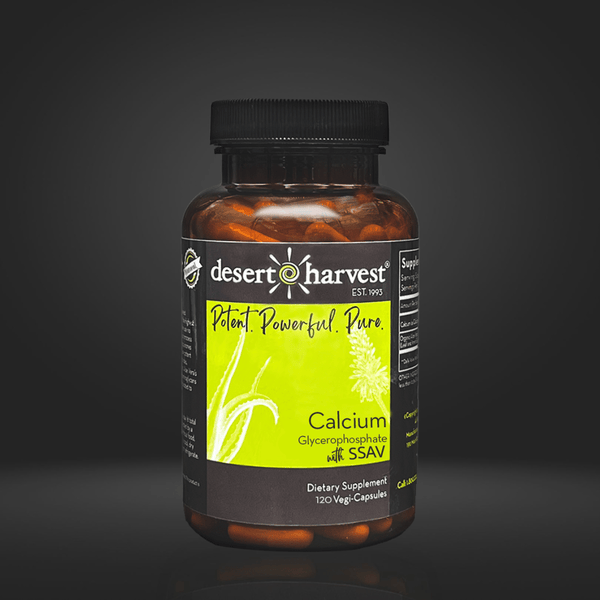
Buffering is also where a food supplement can play a part in some people's routines. CalGly (calcium glycerophosphate) is a pre-meal acid buffer that may help reduce the acid content of foods and drinks. It contains calcium glycerophosphate — the same active ingredient that many people used in Prelief in the US — together with a small amount of anthraquinone-free organic Aloe Vera. Many people following IC-friendly diets use a buffer like this before a coffee, a glass of wine or a tomato-based meal, as one part of a broader bladder-friendly approach.
A practical, low-pressure way to start
If the whole subject feels overwhelming, you do not have to overhaul everything at once. A gentler way in is to:
- Keep a simple food and comfort diary for a week or two, noting what you ate and how your day felt.
- Look for patterns rather than single villains — it is often the everyday staples, like coffee, that matter most.
- Adjust one thing at a time so you can actually tell what makes a difference for you.
- Consider buffering the higher-acid items you are not ready to give up.
Coffee is the item that comes up most often, so if that is your sticking point, a pre-meal buffer like CalGly is one option some people keep to hand.

The takeaway
An IC-friendly diet is not a rigid set of rules so much as a personal map of what works for you. Higher-acid foods and drinks — coffee, citrus, tomatoes, wine and the rest — are simply the ones worth keeping an eye on, and buffering before eating is one way some people fit more of these foods into their day on their own terms. Start small, stay curious, and let your own experience guide the lists rather than the other way around.
Food supplement. Do not exceed the recommended daily dose. Food supplements should not be used as a substitute for a varied, balanced diet and a healthy lifestyle. Keep out of reach of children. Consult a healthcare professional before use if you are pregnant, breastfeeding, taking medication or have a medical condition.