Citrus juice — orange, grapefruit, lemon and lime — is among the sharpest things many of us drink. That brightness comes from naturally occurring acids, chiefly citric and ascorbic acid. If you are following a bladder-friendly or IC-friendly way of eating, citrus juice is often one of the first drinks people reconsider. The reassuring part is that you do not always have to give it up completely. A handful of small changes to how you prepare, pair and time your glass can make a noticeable difference to how settled it feels. Here is a practical, specific guide.
Start with dilution
Dilution is the simplest place to begin, and it is more flexible than it first appears.
- Begin at 1:1. Mix equal parts juice and still water, taste, then add more water until the sharp edge softens. Many people settle around two parts water to one part juice.
- Top up with still water if you miss the volume of neat juice; it dilutes the fruit acid without adding anything fizzy.
- Let ice do some of the work. A full glass of ice dilutes the juice gradually as it melts, which is useful if you like to sip slowly.
- Blend with a gentler juice. A splash of citrus in a base of pear juice, for example, gives you the flavour you want with far less of it in the glass.
Pair it with food, not an empty stomach
What you drink alongside what you eat matters. A glass of orange juice with breakfast tends to sit more comfortably than the same glass on its own first thing in the morning.
- Drink citrus juice with a meal rather than between meals.
- Favour starchy or creamy foods — porridge, toast, yoghurt — which round out the sharpness.
- If you are mapping out which foods to keep, swap or rethink, our guide to higher-acid foods on an IC-friendly diet is a useful companion.
Think about timing and portion
How much and how often can matter as much as what is in the glass.
- Choose a small glass over a large one, and stop before you reach the bottom if you have had enough.
- Spread citrus across the day in smaller amounts rather than a single large serving.
- Many people prefer citrus earlier in the day rather than late in the evening.
Buffer before you drink
Good to know
Frequently asked questions
Does diluting citrus juice reduce the acid?
Adding water lowers the proportion of juice in the glass, so each sip carries less fruit acid. Start with equal parts juice and water, then adjust to taste until the sharp edge softens.
What can I mix with citrus juice to make it gentler?
Still water is the simplest option. A splash of citrus in a base of pear juice gives you the flavour you want with far less of it in the glass.
When is the best time to drink citrus juice?
Many people find citrus sits better with a meal and earlier in the day rather than on an empty stomach or late at night. Smaller glasses spread across the day can help too.
What is calcium glycerophosphate?
It is a food supplement ingredient used as a pre-meal acid buffer, and the same active ingredient many people used in Prelief in the US. It may help reduce the acid content of foods and drinks.
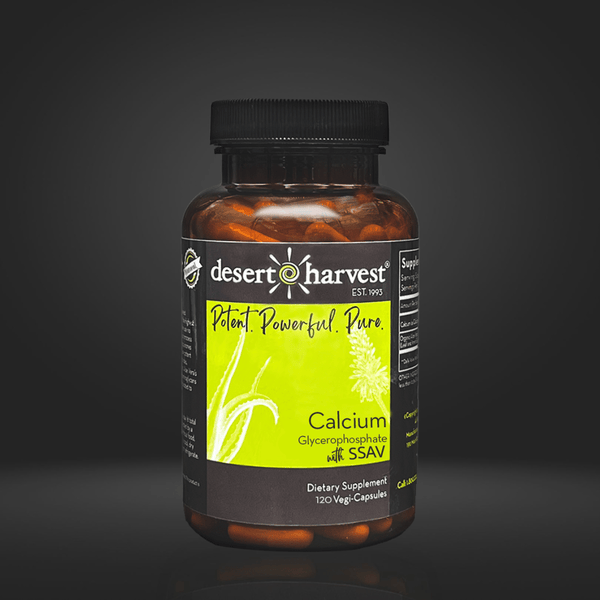
Alongside dilution and timing, some people use a pre-meal acid buffer. CalGly is a food supplement containing calcium glycerophosphate — the same active ingredient many people used in Prelief in the US — taken just before an acidic food or drink. It may help reduce the acid content of foods and drinks, which is why it can suit a glass of citrus juice. Each capsule also includes anthraquinone-free organic Aloe Vera (SSAV), and the bottle holds 120 vegan capsules. If the name Prelief is familiar, what to know about Prelief in Europe explains where things stand here.
Bring it together as a routine
No single step does everything; the value is in combining them — dilute a little, pair with food, keep portions modest and buffer when it helps. To understand the wider picture of how everyday acids and the bladder relate, start with our pillar on food acid and the bladder, and browse bladder-friendly living for more ideas. The dietary lists from the ICA and IC Network are a sensible reference point as you experiment. We explain clearly; you decide what works for you. If you would like the short version, our food-acid relief overview pulls the essentials together.
Food supplement. Do not exceed the recommended daily dose. Food supplements should not be used as a substitute for a varied, balanced diet and a healthy lifestyle.