The IC-friendly diet has a reputation for being a long list of foods to avoid. That reputation is mostly a misunderstanding. Dietary guidance from organisations such as the Interstitial Cystitis Association (ICA) and the IC Network is more measured than the rumours suggest, and a few persistent myths do more harm than good. Here we correct the most common ones, gently. We explain clearly, you decide.
Myth: you have to cut everything out
The most common worry is that a bladder-friendly diet means living on a handful of "safe" foods forever. In practice the approach is closer to elimination and reintroduction: you begin with a smaller range of foods that many people find gentle, then add others back one at a time to learn what genuinely suits you. The goal is the widest comfortable diet you can manage, not the narrowest. A permanently restricted plate is harder to keep varied and balanced, and rarely necessary. For a fuller picture of how food acid fits in, see our guide to food acid and the bladder.
Myth: all acid is bad
"Acid" is a broad word doing a lot of work. The acidity of a food in your kitchen is not the same as how it behaves once eaten, and people differ in what they notice. One person finds a squeeze of lemon perfectly comfortable while a large glass of orange juice is not; for someone else it is the other way round. Rather than treating every tart or citrussy food as off-limits, it helps to think about portion, preparation and pairing. Our companion article on higher-acid foods works through this in more detail.
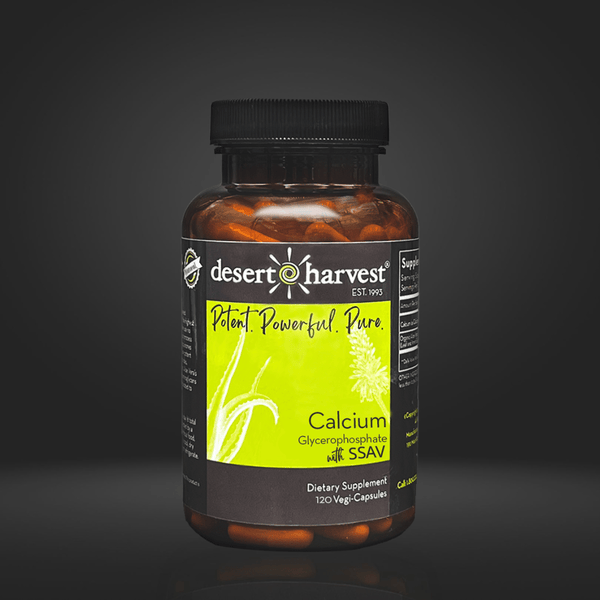
This is also where a pre-meal acid buffer can have a place. Calcium glycerophosphate — the same active ingredient many people used in Prelief in the US — may help reduce the acid content of foods and drinks, so a favourite dish can stay on the menu in moderation. You can read more about CalGly capsules if that is of interest.
Myth: one list fits everyone
Trigger lists are a useful starting point, not a verdict handed down for all. They reflect what many people report, not a rule that applies to you specifically. The most useful list is the one you build yourself: keep a simple food-and-comfort diary for a few weeks, noting what you ate and how you felt afterwards. Patterns tend to emerge that no generic chart could predict, and they are often more generous than you expect.
Myth: if a food is "on the list", it is banned for life
A food appearing on a cautionary list is an invitation to experiment carefully, not a lifelong ban. Quantity, ripeness, timing and how a food is prepared all matter — a fully ripe banana, a short-brewed tea, or a small portion alongside other foods can behave quite differently from the worst-case version. Many foods can be reintroduced in smaller amounts once you understand your own thresholds, sometimes with the help of a buffer at the start of the meal.
Myth: a supplement can replace a thoughtful diet
A buffer is a tool within a routine, not a shortcut around one. It sits alongside the diary-keeping, the gentle reintroductions and the ordinary good sense of a varied, balanced diet — it does not stand in for any of them. If you would like to understand the mechanism rather than take it on trust, our explainer on how calcium glycerophosphate buffers food acid covers it plainly.
Good to know
Frequently asked questions
Does the IC-friendly diet mean cutting everything out?
No. Guidance from groups such as the ICA and IC Network describes an elimination-and-reintroduction approach: you start with a gentler range of foods, then add others back to find the widest diet that suits you.
Are all acidic foods a problem?
Not necessarily. People differ in what they notice, and portion, preparation and pairing all matter. It is worth testing foods individually rather than ruling out every acidic item at once.
What does calcium glycerophosphate do at mealtimes?
Used as a pre-meal acid buffer, it may help reduce the acid content of foods and drinks, which some people include as part of a bladder-friendly routine.
Can a buffer replace watching what I eat?
No. A buffer is one tool within a varied, balanced diet and a food-and-comfort diary, not a substitute for them.
Food supplement. Do not exceed the recommended daily dose. Food supplements should not be used as a substitute for a varied, balanced diet and a healthy lifestyle.