Flare-ups rarely announce themselves. One week feels settled, the next brings a stretch of discomfort that seems to arrive from nowhere. When you live with a sensitive bladder, that unpredictability can be one of the hardest parts to manage. Diet is often part of the picture, but it is rarely the whole story, and working out where it fits takes a little patience and a few notes. This article is about observation, not treatment. We explain clearly, you decide what is worth trying.
Why patterns are hard to spot
Memory is an unreliable witness. By the time an uncomfortable evening arrives, the lunch that preceded it has usually been forgotten, along with how much water you drank, how well you slept and how stressful the day was. Food is only one of many variables, and our minds tend to blame the most recent or most memorable meal rather than the real culprit. A written record removes the guesswork and lets the pattern, if there is one, show itself.
Keeping a food and comfort diary
A useful diary does not need an app or a spreadsheet. A pocket notebook works just as well. The aim is to capture enough context to compare your good days with your more difficult ones. For each entry, try to note:
- Time and date — so you can line meals up against how you felt later.
- What you ate and drank — including portion size, coffee, tea, fruit juice, wine and fizzy drinks.
- How you felt — a simple one-to-five comfort score is easier to track than a long description.
- The rest of the day — sleep, stress, hydration, exercise and, if relevant, where you are in your cycle.
Keep it brief. Two weeks of honest, consistent notes will tell you far more than a month of detailed entries you abandon after a few days.
Reading your notes
After a fortnight or so, read back through with a highlighter. Look for foods or drinks that appear before lower-comfort days more than once, and be honest about quantity and timing as well as the food itself. It also helps to notice what does not seem to matter, so you are not avoiding things unnecessarily. Many people are surprised to find that stress, tiredness or simply not drinking enough water tracks more closely with a difficult day than any single meal. If you would like a starting point for which foods tend to come up, our guide to higher-acid foods on an IC-friendly diet is a sensible place to begin.
Where food acid fits in
Acidity is one of the things people most often track in a comfort diary, and it is a recurring theme in dietary guidance from organisations such as the IC Network and the ICA. Many tart or tangy foods and drinks — citrus, tomatoes, coffee, wine and cola among them — are also higher in acid. Our pillar guide on food acid and the bladder explains how this works in plain terms.
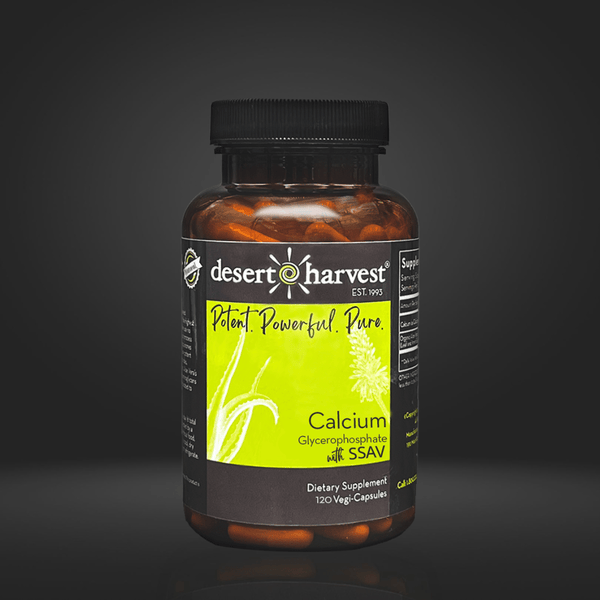
This is where a pre-meal acid buffer can become part of a routine. CalGly contains calcium glycerophosphate, the same active ingredient many people used in Prelief in the US, and may help reduce the acid content of foods and drinks. Some people take it before meals they have noted as awkward in their diary, so a favourite food can stay on the menu. If you want the detail, we cover how calcium glycerophosphate buffers food acid separately.
Comfort and routine, not treatment
A diary is a tool for understanding, not a verdict. It will not fix anything on its own, and a sensitive bladder deserves proper attention from your GP or specialist. What a diary can do is replace some of the worry with information, so that meals feel less like a gamble and more like a choice you have thought through. Build a small, calm routine around what you learn, adjust it gently, and let the notes do the remembering for you.
Good to know
Frequently asked questions
How long should I keep a food and comfort diary?
A fortnight of consistent notes is usually enough to start seeing patterns. Keep each entry short so you actually stick with it, and continue for longer if you find it useful.
What should I write down each day?
Note the time, what you ate and drank including portions, a simple one-to-five comfort score, and context such as sleep, stress and hydration. Those extra details often matter as much as the food itself.
Does food acid always cause discomfort?
Not necessarily, and everyone is different. A diary helps you see whether higher-acid foods line up with your own less comfortable days, rather than avoiding them on assumption.
Where does CalGly fit into a diary routine?
Some people take CalGly as a pre-meal acid buffer before foods they have flagged as awkward in their notes, as it may help reduce the acid content of foods and drinks. It is a food supplement, not a treatment.
Food supplement. Do not exceed the recommended daily dose. Food supplements should not be used as a substitute for a varied, balanced diet and a healthy lifestyle.