Coffee is one of the first things people reconsider when they start paying attention to food acid and the bladder. It is also one of the hardest to give up. The reassuring part is that you have two broad routes: change what you drink, or change how you drink it. Many people settle on a mix of the two.
Two ways to think about coffee
The first route is substitution — swapping your usual cup for a lower-acid coffee or a coffee-free alternative. The second is buffering — keeping the coffee you love and adding a pre-meal step that may help reduce the acid content of foods and drinks. Neither is the "correct" answer. The best choice depends on how attached you are to the taste of real coffee, and on how your own routine works in practice.
Lower-acid coffees and gentler brewing
If you would rather keep coffee but soften it, a few choices tend to make a noticeable difference to flavour:
- Dark roasts. Longer roasting breaks down some of the acids that bright, light roasts keep, so the cup tastes rounder and less sharp.
- Cold brew. Steeping grounds in cold water for 12–24 hours produces a smoother, mellower concentrate that many people find easier than hot-brewed coffee.
- Low-acid beans. Beans grown at lower altitudes, and varieties marketed specifically as low-acid, start gentler before you brew them.
- Swiss Water decaf. Decaffeinated coffee is not automatically lower in acid, but it removes caffeine — something many people prefer to limit separately.
Brewing notes: a slightly coarser grind, a touch less coffee, and a splash of milk or a plant alternative all take the edge off without changing your kit.
Coffee substitutes worth trying
If you want a warm morning ritual without coffee at all, several traditional drinks fit comfortably into a bladder-friendly routine:
- Roasted chicory root — earthy and slightly bitter, the closest in character to coffee, and naturally caffeine-free.
- Dandelion root — roasted and ground, it brews into a dark, coffee-like cup.
- Roasted barley and grain "coffees" — the style sold across Europe for generations, mild and malty.
Many bladder-friendly food lists treat these grain- and root-based drinks as gentler everyday choices, which is a useful starting point when you are building your own list.
Buffering the coffee you love
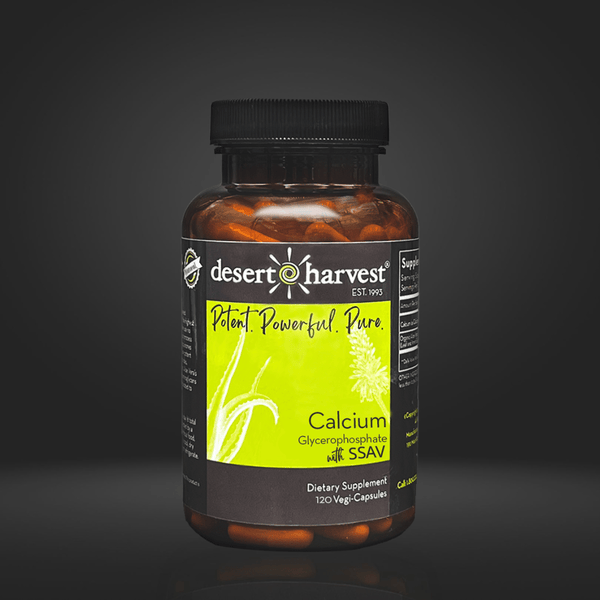
Substitution does not suit everyone. If a proper coffee is part of how you start the day, buffering lets you keep it. Calcium glycerophosphate is a pre-meal acid buffer — the same active ingredient many people used in Prelief in the US — taken just before the food or drink you are about to enjoy. Our CalGly capsules pair it with anthraquinone-free organic Aloe Vera (SSAV) in 120 vegan capsules, and you can read exactly how it buffers food acid if you would like the detail.
So which should you choose?
There is no need to commit to one camp. Plenty of people keep a low-acid dark roast or a chicory blend for everyday mornings and buffer when they want their favourite espresso, or a coffee out with friends. Start by keeping a simple diary for a week or two: note what you drink, how it is prepared, and how comfortable you feel afterwards. That pattern, rather than any single rule, will tell you where coffee belongs in your routine. For more on which foods sit higher on the scale, see our guide to higher-acid foods.
Good to know
Frequently asked questions
Is decaf coffee lower in acid?
Not necessarily. Decaffeination removes caffeine, not acid. A dark roast or a cold brew usually does more for acidity than choosing decaf, although some people prefer to limit caffeine for separate reasons.
Does cold brew really make a difference?
Many people find cold brew noticeably smoother and less sharp than hot-brewed coffee, because the slow, cold steep extracts fewer of the acids that give coffee its bite. It is an easy thing to try at home before changing anything else.
What is the difference between a coffee substitute and buffering?
A substitute replaces coffee with a drink such as chicory or roasted barley. Buffering keeps your real coffee and adds a pre-meal acid buffer, calcium glycerophosphate, which may help reduce the acid content of foods and drinks.
Can I combine lower-acid coffee with buffering?
Yes. Many people keep a gentler everyday brew and buffer when they want their favourite coffee, or one out with friends. Keeping a short diary for a week or two helps you see what suits you.
Food supplement. Do not exceed the recommended daily dose. Food supplements should not be used as a substitute for a varied, balanced diet and a healthy lifestyle.