When food feels like guesswork, it helps to begin with the meals that tend to sit comfortably for most people. Those following a bladder-friendly or IC-friendly way of eating often find that a small set of gentle staples becomes the backbone of the week, with lower-acid swaps filling in around them. The ideas below draw on the dietary guidance shared by the ICA and the IC Network, alongside a few practical swaps you can test at your own pace.
Everyone's "easier" list looks a little different
No two people respond to food in quite the same way, so treat any list as a starting point rather than a rulebook. The most reliable way to learn your own pattern is to keep a simple food diary and reintroduce one food at a time, leaving a day or two between trials so you can read the results clearly. For a fuller view of which foods are usually higher in acid, see our companion piece on the IC-friendly diet and higher-acid foods, and the pillar guide to food acid and the bladder.
Gentle staples to build meals around

These foods appear again and again on the more-often side of bladder-friendly food lists, which makes them a dependable place to start.
- Fruit: pears, blueberries and ripe bananas are commonly better tolerated than citrus or tart apples.
- Vegetables: carrots, courgette, broccoli, green beans, peas, cucumber, potatoes and sweet potato, with tomatoes the usual exception.
- Proteins: eggs, plain poultry, fish and lamb, simply cooked rather than marinated in citrus or vinegar.
- Grains: porridge oats, rice, pasta and plain wholemeal bread make filling, neutral bases.
- Dairy and alternatives: milk and milder cheeses suit many people; some prefer to go gently with strongly aged or cultured options.
- Drinks: still water and gentle herbal choices such as chamomile are the everyday standbys.
Simple lower-acid swaps
You rarely need to overhaul a meal — a single swap often does the work, and changing one thing at a time keeps your food diary easy to read.
- Morning orange juice becomes water with a few slices of pear, or a milky drink.
- A tomato-based pasta sauce becomes an olive-oil, courgette or mild-cheese sauce.
- A citrus or vinegar dressing becomes olive oil with soft herbs such as parsley or basil.
- Strong coffee becomes a milky drink, chamomile, or a roasted-grain coffee alternative.
- Strawberries become blueberries; an orange becomes a ripe pear.
A gentle day on a plate

To picture it in practice: porridge with banana and a few blueberries for breakfast; a jacket potato with egg or chicken and steamed green beans for lunch; pasta with a courgette-and-olive-oil sauce, or fish with rice and carrots, for dinner. Snacks might be a pear, plain oatcakes, or a small piece of mild cheese, with water through the day to stay comfortably hydrated. None of it is restrictive once the staples are stocked, and most of it is ordinary food you can share with the rest of the household.

When you'd still like an acidic favourite
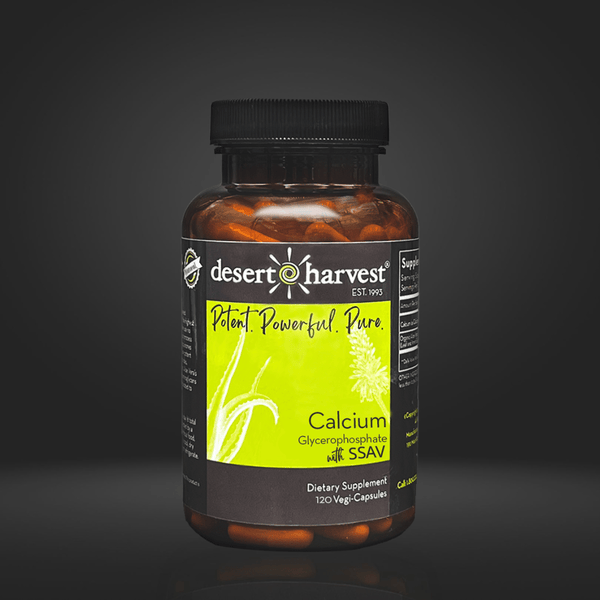
Cutting out the foods you love is not the only option. A pre-meal acid buffer such as CalGly (calcium glycerophosphate) may help reduce the acid content of foods and drinks, which is why some people keep it to hand for the meals they would rather not give up. If you would like to understand how that works, our note on how calcium glycerophosphate buffers food acid walks through it plainly, and the food-acid relief overview pulls the practical steps together. We explain clearly; you decide what fits your routine.
Good to know

Frequently asked questions
Are these foods guaranteed to suit me?
No. Tolerance is individual, so any list is best treated as a starting point. Keeping a simple food diary and reintroducing one food at a time is the most reliable way to learn your own pattern, using the ICA and IC Network dietary guidance as a reference.
Are tomatoes always off the menu?
Tomatoes are among the higher-acid foods many people find trickier, but responses vary. Some people manage small, cooked amounts more easily than raw, while others prefer to swap to a courgette, olive-oil or mild-cheese sauce. Test gently and note how you get on.
What can I drink instead of coffee and citrus juice?
Common everyday choices include still water, milky drinks, gentle herbal options such as chamomile, and roasted-grain coffee alternatives. Reintroduce anything new slowly so you can tell what suits you.
Can I still eat my favourite acidic foods occasionally?
Many people choose to. Some keep a pre-meal acid buffer such as calcium glycerophosphate to hand, which may help reduce the acid content of foods and drinks, so an occasional favourite can stay on the menu within a balanced routine.
Food supplement. Do not exceed the recommended daily dose. Food supplements should not be used as a substitute for a varied, balanced diet and a healthy lifestyle.