If you have spent any time reading about diet and the bladder, you have probably met two words that sound similar but mean very different things: "alkalising" and "buffering". They are often used as if they were interchangeable, and that creates a lot of confusion. This article looks at what bladder-friendly dietary guidance actually says, and why reducing the acid content of a food is not the same as following an "alkaline diet".
Where the idea of "alkalising" comes from
The popular "alkaline diet" rests on the idea that foods leave an acidic or alkaline residue once they are digested, and that eating more "alkaline-forming" foods can shift the body's overall pH. In practice, the body keeps blood pH within a very narrow range whatever you eat, so that part of the claim does not really hold up. What food can influence, modestly and temporarily, is the acidity of the meal itself and the pH of urine.
This is where the language gets muddled. People searching for a bit of comfort around food often land on "alkalise your body" advice, when the guidance most dietitians actually point to is far narrower and more practical.
What bladder-friendly dietary guidance actually says
Organisations such as the Interstitial Cystitis Association (ICA) and the IC Network do not ask you to alkalise your whole system. Their dietary guidance is built around identifying your personal triggers. The usual approach is elimination and reintroduction: pare back to a short list of foods that are commonly well tolerated, then add others back one at a time while keeping a food and symptom diary.
Many of the foods people choose to watch happen to be higher in acid — citrus, tomatoes, coffee, some wines and vinegars — but these lists are based on what people commonly report, not on a single pH cut-off. The emphasis is on what works for you, rather than a universal rule. We cover the practical side of this in our guide to an IC-friendly diet and higher-acid foods.
Buffering and "alkaline diets" are not the same thing
An "alkaline diet" is a whole-system idea: reorganise everything you eat around acid- and alkaline-forming categories. Buffering is the opposite of sweeping. It is targeted, and it happens at the point of eating. A food-acid buffer may help reduce the acid content of a particular food or drink, so the meal itself is gentler — rather than asking you to rebuild your entire diet around it.
The difference matters day to day. An alkaline-diet approach tends to add and remove whole food groups. A buffer works alongside the meals you already eat, which means a favourite dish you might otherwise set aside can sometimes stay on the table. You can read more about the mechanism in how calcium glycerophosphate buffers food acid.
Where a pre-meal buffer fits
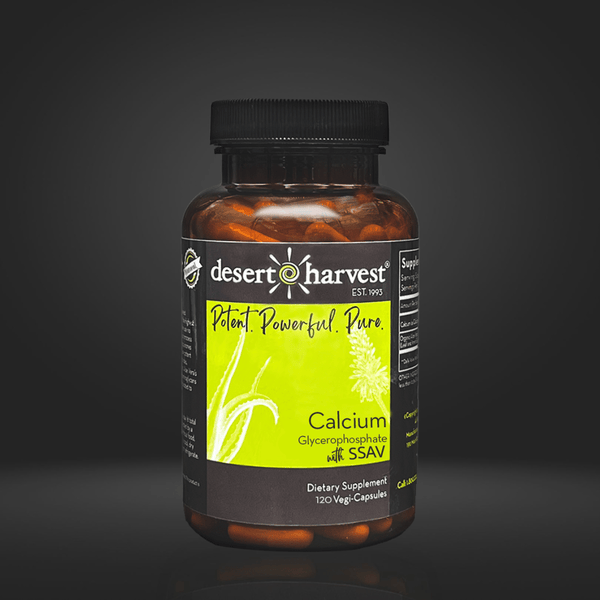
This is the role calcium glycerophosphate plays. It is a pre-meal food-acid buffer — the same active ingredient many people used in Prelief in the US — taken just before you eat or drink something acidic. It does not replace the dietary guidance above; it sits alongside it, as one option within a bladder-friendly routine for the foods you would rather not give up.
Our CalGly capsules pair calcium glycerophosphate with anthraquinone-free organic Aloe Vera (SSAV) in 120 vegan capsules. If you want the bigger picture first, start with our pillar guide to food acid and the bladder, which explains how diet, acidity and comfort fit together.
In short
"Alkalising the body" and buffering a meal are not the same project. Mainstream dietary guidance for the bladder is about finding your own triggers, not chasing a whole-body pH. Buffering is simply a way to make individual acidic foods gentler at the moment you eat them. We explain clearly, you decide what belongs in your routine.
Good to know
Frequently asked questions
Is buffering the same as following an alkaline diet?
No. An alkaline diet asks you to reorganise everything you eat around acid- and alkaline-forming food groups. Buffering is targeted: it happens at the point of eating and may help reduce the acid content of a single food or drink, so you can keep the rest of your meals as they are.
Does calcium glycerophosphate change my body's pH?
It is not designed to alkalise your whole system. It is a pre-meal food-acid buffer that may help reduce the acid content of the foods and drinks you take it with, taken just before eating.
What do ICA and the IC Network actually recommend for diet?
Their dietary guidance centres on identifying personal triggers, usually through an elimination-and-reintroduction approach with a food and symptom diary, rather than alkalising the body as a whole.
Do I have to give up acidic foods completely?
Not necessarily. Many people use a food diary to learn what suits them, and a pre-meal buffer can sit alongside that as one way to keep some acidic foods on the table within a bladder-friendly routine.
Food supplement. Do not exceed the recommended daily dose. Food supplements should not be used as a substitute for a varied, balanced diet and a healthy lifestyle.