Most people who pay attention to what they eat notice that comfort is not the same every day. A meal that sits easily one afternoon can feel sharper the next morning. On the days when richer or more acidic food and drink feel less welcome — what some people describe as reflux-prone days — it can help to lean towards gentler, lower-acid choices rather than overhaul your diet completely.
This is purely about food and personal comfort. It is not about treating any condition, and nothing here is medical advice. If you have ongoing digestive concerns, those belong with your GP or a registered dietitian. What we can usefully talk about is the acid content of food and drink, and how to plan around it on the days it matters to you.
The overlap with bladder-friendly eating
If you already follow a bladder-friendly routine, you have a head start. The foods that tend to feel harsh on an acid-sensitive day overlap closely with the higher-acid items flagged on most bladder-friendly food lists, including the dietary guidance from the Interstitial Cystitis Association (ICA) and the IC Network. The familiar names on both lists include:
- Citrus — oranges, grapefruit, lemons and their juices
- Tomatoes — fresh, tinned, sauces and purée
- Coffee and some teas, including decaffeinated versions
- Fizzy and carbonated drinks
- Vinegar and pickled or fermented foods
- Wine and some fruit juices
Because the lists overlap so much, the choices you already make for your bladder tend to do double duty on a reflux-prone day. Our pillar guide to food acid and the bladder explains the wider picture, and the sibling piece on higher-acid foods on an IC-friendly diet goes through the food lists in more detail.
Low-effort swaps for an acid-sensitive day
You do not need a special menu. A few small, specific swaps tend to make a plate feel gentler:
- Choose fully ripe fruit over under-ripe; under-ripe fruit is usually sharper.
- When cooking with tomatoes, a small pinch of bicarbonate of soda softens the tartness — a long-standing kitchen trick — or build a milder base from roasted peppers.
- Cold brew coffee is generally less acidic than the same beans brewed hot, and a splash of milk softens it further.
- Reach for still water rather than fizzy; if you prefer sparkling, a lightly carbonated mineral water is gentler.
- Pair a sharper food with bland, starchy company — bread, rice, oats or potatoes — to balance the plate rather than cutting the food out entirely.
Where a pre-meal acid buffer fits
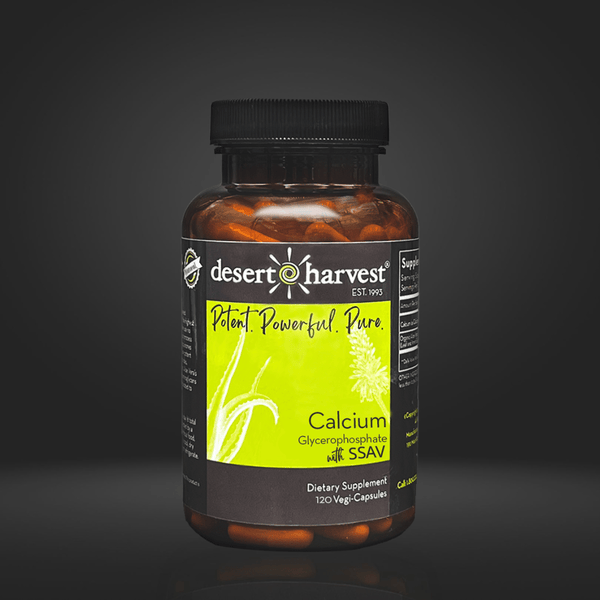
Some people add a pre-meal acid buffer to their routine alongside these food choices. CalGly is calcium glycerophosphate in vegan capsules — the same active ingredient many people used in Prelief in the US, which we cover in Prelief in Europe: what to know. Taken just before eating or drinking, it may help reduce the acid content of foods and drinks, which is the same idea behind choosing lower-acid options in the first place. It works on the acid in the meal rather than changing the food on your plate. You can read how calcium glycerophosphate buffers food acid, see the CalGly 120 vegan capsules page, or visit our food-acid relief overview.
Build a pattern that suits you
Everyone tolerates food differently, so the most useful tool is your own attention. Keeping a simple note of what you ate and how comfortable you felt afterwards often reveals a pattern within a couple of weeks — which foods you can keep, which you would rather save for a settled day, and where a buffer or a swap makes the difference. For more along these lines, browse the rest of bladder-friendly living. We explain clearly, you decide.
Good to know
Frequently asked questions
What does a "reflux-prone day" actually mean here?
It is an everyday, personal way of describing days when richer or more acidic foods and drinks feel less comfortable. It is about food and comfort rather than a diagnosis. If symptoms are persistent or troubling, speak to your GP or a registered dietitian.
Are bladder-friendly foods the same as lower-acid choices for these days?
There is a lot of overlap, especially around citrus, tomatoes, coffee, fizzy drinks, vinegar and wine. The dietary lists from the ICA and the IC Network are a sensible starting point, though everyone's tolerance is different, so it is worth finding your own pattern.
How does CalGly fit into this?
CalGly is calcium glycerophosphate, taken as a pre-meal acid buffer. Taken just before eating or drinking, it may help reduce the acid content of foods and drinks. It is the same active ingredient many people used in Prelief in the US.
Can I take a buffer instead of changing what I eat?
A buffer is one part of a routine rather than a replacement for balanced eating. Many people combine sensible lower-acid choices with a pre-meal buffer. Food supplements should not be used as a substitute for a varied, balanced diet and a healthy lifestyle.
Food supplement. Do not exceed the recommended daily dose. Food supplements should not be used as a substitute for a varied, balanced diet and a healthy lifestyle.