If you live with a sensitive bladder, you may have noticed that some meals seem to settle more comfortably than others. There is no single "interstitial cystitis diet" that works for everyone, but a widely used approach is simple: gently reduce the foods most often reported as irritating, keep a food and symptom diary, then reintroduce items one at a time to learn your own pattern. This guide explains how that works, calmly and in plain English.
Why food can matter for a sensitive bladder
Interstitial cystitis, also called bladder pain syndrome (IC/BPS), is a long-term condition involving bladder discomfort, pressure and a frequent need to pass urine. UK charities such as the COB Foundation and Bladder Health UK estimate it affects hundreds of thousands of people in the UK alone, the large majority of them women. It is not caused by diet, and food is not a cure. However, many people report that certain foods and drinks coincide with more bothersome days, while others feel kinder to a sensitive bladder.
The European Association of Urology and patient charities note that dietary triggers are highly individual. Two people with the same diagnosis can have very different lists. That is why the goal is not to follow someone else's rules, but to discover your own.
Foods many people find irritating

Across patient communities and charity guidance, a fairly consistent set of foods comes up again and again as potential irritants. They tend to be acidic, caffeinated, fizzy, or strongly spiced. None of these are "bad" foods, and not everyone reacts to them, but they are sensible candidates to test first.
- Caffeine — coffee, black and green tea, energy drinks and some soft drinks.
- Citrus and other acidic fruits — oranges, lemons, grapefruit, pineapple.
- Tomatoes — including sauces, ketchup and tomato-based soups.
- Carbonated and fizzy drinks, including sparkling water for some people.
- Alcohol — particularly wine and beer.
- Artificial sweeteners such as aspartame and saccharin.
- Spicy foods — chillies, hot sauces and heavily spiced dishes.
- Chocolate, especially dark chocolate.
- Cranberry juice — often suggested for ordinary urinary infections, but acidic and frequently reported as irritating in IC/BPS.
The Interstitial Cystitis Association in the United States describes a similar list and notes that highly acidic and caffeinated items are the most commonly reported culprits. Treat this as a starting shortlist to investigate, not a list of foods to banish forever.
Foods that tend to be well tolerated
The encouraging news is that the bladder-friendly food list is long. Many people with a sensitive bladder eat a varied, satisfying diet built around gentler, lower-acid choices. Commonly well-tolerated options include:
- Fruits: pears, blueberries, ripe bananas, melon, apricots and dates.
- Vegetables: broccoli, asparagus, courgette, peas, mushrooms, spinach, carrots and potatoes.
- Grains: oats, rice and most plain breads and pasta.
- Proteins: chicken, turkey, fish, eggs and unseasoned lean meats.
- Dairy and alternatives: milder cheeses and many people tolerate plain milk; test cultured products individually.
- Drinks: still water is the everyday foundation; some people also tolerate certain herbal infusions such as chamomile.
Because hydration matters, plain water usually stays at the centre of a bladder-friendly routine. Sipping steadily through the day, rather than drinking large amounts at once, suits many people better.
How to find your own triggers: the elimination approach

An elimination diet is the method most charities and clinicians suggest for identifying personal triggers. It is methodical rather than dramatic, and it is best done with support from your GP, pharmacist or a registered dietitian, especially if your diet is already restricted.
- Step one — settle. For a few weeks, build meals mainly from the well-tolerated list above and reduce the common irritants. This gives you a calmer baseline to compare against.
- Step two — reintroduce slowly. Add back one food or drink at a time, in a normal portion, and wait a few days before trying the next. Reintroducing one item at a time is what makes the cause and effect clear.
- Step three — keep a diary. Note what you eat and drink alongside how your bladder feels. Patterns that are invisible day to day often become obvious on paper over a couple of weeks.
- Step four — personalise. Keep the foods that suit you, limit the few that genuinely do not, and avoid over-restricting. A needlessly narrow diet can be hard to sustain and is not necessary for most people.
Remember that other factors influence a sensitive bladder too, including stress, sleep, hormonal changes and how much you drink. A diary that captures these alongside food gives a fuller picture.
Building a calm, bladder-friendly routine
Eating well is one part of a broader daily rhythm. Many people pair gentle dietary choices with steady hydration, regular toilet habits, gentle movement and stress-management techniques. Some also choose to include food supplements as part of that routine.
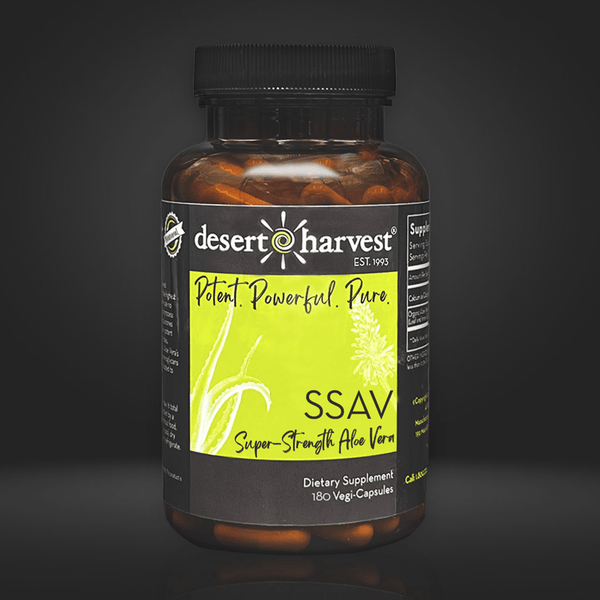
Within the supplement category, people with a sensitive bladder commonly mention Aloe Vera, quercetin, magnesium and calcium glycerophosphate, among others. As an Aloe Vera option, some include Super-Strength Aloe Vera — a freeze-dried, decolourised, anthraquinone-free Aloe Vera food supplement, concentrated 200:1 and naturally a source of Aloe Vera polysaccharides including acemannan. It is taken as part of an everyday routine rather than as a treatment for any condition. If you would like the background, our pillar guide on Aloe Vera and the bladder explains the composition, the EU rules and the research context in plain English.
For more day-to-day reading on living with a sensitive bladder, the rest of our Aloe Vera and the bladder blog covers related topics such as the bladder's protective lining, choosing an Aloe Vera supplement, and how Aloe Vera is processed.
A note on getting the right advice
If your symptoms are new, changing, or accompanied by signs of infection such as fever or blood in the urine, speak to a healthcare professional. A urinary tract infection and interstitial cystitis can feel similar but are managed very differently, so an accurate assessment matters. Dietary changes work best as part of a plan made with people who know your full medical history.

Good to know
Frequently asked questions
What foods should I avoid with interstitial cystitis?
What is the difference between interstitial cystitis and a UTI?
Which supplements do people with interstitial cystitis use?
Is Aloe Vera safe for a sensitive bladder?

Super-Strength Aloe Vera is a food supplement and is not a substitute for a varied, balanced diet and a healthy lifestyle. It is not intended to diagnose, treat, cure or prevent any condition. If you are pregnant, breastfeeding or taking medication, consult your doctor or pharmacist before use. Distributed in the EU by Bivio Medical B.V. (Desert Harvest Europe), Grootschermer, Netherlands.