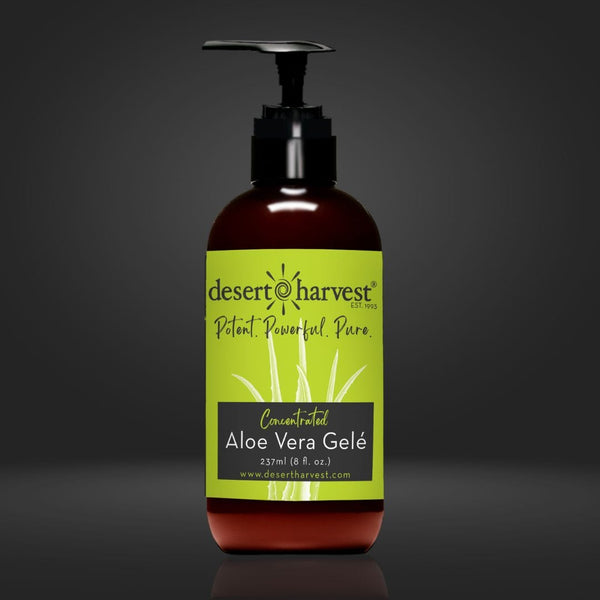
Kurz gesagt: Aloe Vera wird eine Narbe nicht verschwinden lassen, und kein ehrliches Produkt behauptet das. Was eine gut gemachte Aloe-Vera-Creme tun kann, ist, die narbige Haut komfortabel, weich und gut hydratisiert zu halten – genau die Art der täglichen Pflege, die der Haut hilft, bestmöglich auszusehen und sich gut anzufühlen. Dies ist ein ehrlicher Blick darauf, wo Aloe Vera wirklich bei der Erscheinung von Narben hilft, wo ihre Grenzen liegen und wie man realistische Erwartungen setzt.
Narben sind ein normaler Teil der Hautreifung, nachdem sie durch eine Operation, einen alltäglichen Unfall oder den Lauf der Zeit gezeichnet wurde. Sie verändern sich langsam, oft über viele Monate, und verschwinden nie ganz. Jedes Produkt oder jede Routine sollte an dieser Realität gemessen werden und nicht an den retuschierten Versprechen, die manchmal die Narbenpflege umgeben. Seien wir also ehrlich über Aloe Vera.
Was Aloe Vera realistisch leisten kann

Als kosmetischer Inhaltsstoff pflegt Aloe Vera die Oberfläche und das Hautgefühl. Bei regelmäßiger Anwendung auf einer abgeheilten, vollständig geschlossenen Narbe kann eine Aloe-Vera-haltige Creme:
- Hydratisieren und Erweichen der Haut, die sich um eine ältere Narbe oft trocken, gespannt oder rau anfühlt.
- Beruhigen des Spannungsgefühls, sodass sich die Haut geschmeidiger und angenehmer anfühlt.
- Die natürliche Feuchtigkeit der Haut unterstützen, was dazu beiträgt, dass der Bereich mit der Zeit glatter und gleichmäßiger im Ton erscheint.
- Die tägliche Massage erleichtern, da eine gleitfähige Creme angenehmer zu verarbeiten ist als trockene Haut allein.
Achten Sie auf die Formulierung. Die ehrliche Aussage bezieht sich auf das Erscheinungsbild der Haut, Komfort und Feuchtigkeit, nicht auf das Entfernen oder Reparieren der Narbe selbst. Diese Unterscheidung ist nicht nur sorgfältige Wortwahl, sondern die Wahrheit dessen, was ein kosmetisches Produkt leisten kann.
Was Aloe Vera nicht kann
Es ist ebenso wichtig, die Grenzen klar zu benennen. Eine kosmetische Creme kann eine Narbe nicht verschwinden lassen, die zugrundeliegende Struktur von ausgereiftem Narbengewebe nicht verändern und ist keine medizinische Behandlung. Wenn Sie eine erhabene, sich ausbreitende, schmerzhafte oder frisch entstandene Narbe haben oder eine Narbe, die Ihnen Sorgen bereitet, ist das ein Fall für einen Arzt, Apotheker oder Dermatologen, nicht für ein Cremetöpfchen. Aloe Vera gehört zum sanften, alltäglichen Pflegebereich.
Es gibt auch eine evidenzbasierte Realität zu beachten. Bei erhabenen hypertrophen und Keloidnarben ist die Option mit der stärksten klinischen Evidenz Silikon, das in internationalen Narbenmanagement-Richtlinien als Erstlinienwahl beschrieben wird. Aloe Vera konkurriert nicht in diesem Bereich. Wir vergleichen die beiden ehrlich in unserem Beitrag zu Aloe Vera versus Silikon bei Narben, denn etwas anderes vorzutäuschen, würde Ihnen nicht helfen.
Wo Aloe Vera am besten passt

Aloe Vera ist die komfortable, empfindliche Haut-freundliche Wahl für die fortlaufende tägliche Pflege einer abgeheilten Narbe, besonders wenn Ihre Haut empfindlich reagiert und stark parfümierte Produkte nicht mag. Sie passt natürlich zu sanfter Massage, die viele Menschen als hilfreich empfinden, um die Haut um eine alte Narbe weicher und flexibler zu machen. Wenn Sie einen Schritt-für-Schritt-Ansatz wünschen, führt unser Leitfaden zur Narbenpflege zu Hause durch Technik und Timing.
Unsere Aloe Renew Scar Cream ist genau für diese Aufgabe entwickelt: eine Aloe-Vera-reiche, durchdachte Wahl für die tägliche Pflege der Haut um ältere und neuere Narben, mit einem weicheren, ruhigeren Charakter als die klinischeren Cremes im Regal. Sie können sehen, wie sie in das breitere Sortiment auf unserem Sensitive Skin and Aloe Vera Hub passt.
Realistische Erwartungen setzen
Haut verändert sich langsam. Jede Veränderung im Aussehen einer Narbe ist meist allmählich und bescheiden, gemessen über Monate konsequenter Pflege und nicht über Tage. Die nützlichste Einstellung ist Geduld plus Beständigkeit: ein wenig Aloe-Vera-Creme, ein- bis zweimal täglich sanft einmassiert, über einen langen Zeitraum. Fotos, die einige Wochen auseinander aufgenommen werden, können helfen, langsame Veränderungen zu erkennen, die man im Alltag leicht übersieht.
Einige vernünftige Vorsichtsmaßnahmen
- Tragen Sie kosmetische Cremes nur auf vollständig geschlossene und abgeheilte Haut auf, niemals auf offene oder frische Wunden.
- Führen Sie vor der ersten Anwendung einen Verträglichkeitstest durch, besonders wenn Ihre Haut empfindlich ist.
- Schützen Sie eine Narbe vor der Sonne, da Narben durch Sonnenexposition dunkler werden können; ein Tages-SPF über einer abgeheilten Narbe ist ratsam.
- Wenn sich an einer Narbe etwas verändert, wächst oder Sorgen bereitet, konsultieren Sie eine medizinische Fachkraft.
Die ehrliche Zusammenfassung
Aloe Vera ist ein freundlicher, vernünftiger Bestandteil der Pflege des Erscheinungsbildes einer Narbe, geschätzt für Komfort, Weichheit und Feuchtigkeit statt für Wunder. Geduldig auf vollständig geschlossener Haut angewendet, hilft eine Aloe-Vera-reiche Creme dem Bereich, sich geschmeidig anzufühlen und bestmöglich auszusehen, während sanfte Massage sie zu einem ruhigen täglichen Ritual macht. Erwarten Sie allmähliche, bescheidene Veränderungen, bleiben Sie dran und suchen Sie bei Sorgen professionelle Beratung.

Gut zu wissen
Häufig gestellte Fragen
Hilft Aloe Vera bei Narben?
Wie lange dauert es, bis man eine Veränderung im Aussehen einer Narbe sieht?
Kann ich Aloe Vera auf eine neue oder offene Wunde auftragen?
Ist Aloe Vera besser als Narbenöle oder Silikon?

Nur zur äußerlichen Anwendung auf vollständig geschlossener, intakter Haut. Vermeiden Sie offene oder frische Wunden, führen Sie vor der ersten Anwendung einen Verträglichkeitstest durch und schützen Sie eine Narbe vor der Sonne. Dieser Artikel enthält allgemeine kosmetische Informationen zum Hautbild, keine medizinische Beratung; unsere Aloe-Vera-Produkte sind Kosmetika, keine Arzneimittel. Bei jeder Narbe, die Ihnen Sorgen bereitet, konsultieren Sie bitte eine medizinische Fachkraft.