D-mannose has become one of the most talked-about ingredients in the urinary-wellness aisle, and one of the most searched. If you have ever stood in a pharmacy or scrolled an online shop wondering how much D-mannose to take, when to take it, and whether it genuinely does anything, you are in good company. This is a calm, evidence-aware look at the practical questions, and an honest summary of what the research actually shows.
In short: most studies and commercial products use around 2 grams (2,000 mg) of D-mannose a day, usually with plenty of water. The most reliable recent trial, however, found no clear benefit over a placebo, so it is worth understanding the evidence before you decide. D-mannose is one option among several for people who want to look after their urinary tract as part of a daily routine.
What is D-mannose?
D-mannose is a simple sugar (a monosaccharide) that occurs naturally in small amounts in fruits such as cranberries, apples and peaches. The supplement form is usually produced from plant sources such as birch or corn, and sold as a powder or in capsules. Unlike ordinary table sugar, only a small fraction is metabolised for energy; most of what you swallow passes through the body and is excreted in the urine within a few hours.
That excretion route is exactly why researchers became interested in it. Laboratory studies have explored how D-mannose molecules may interact with certain bacteria, in particular strains of Escherichia coli (E. coli), in the urinary tract. This is ongoing scientific investigation rather than settled fact, and it is worth keeping the laboratory picture separate from what happens in real people.
How much D-mannose to take

There is no official, authorised dose for D-mannose, because no health authority has approved a urinary health claim for it (more on that below). What we can describe is the amount used in studies and on commercial products.
- The common amount across research and supplements is around 2 grams (2,000 mg) per day. The large 2024 UK MERIT trial used exactly this: a 2 g daily dose.
- Some regimens use more at the start. A number of products and older protocols suggest a higher intake spread across the first few days (for example, split into several smaller doses), then a lower ongoing amount. The well-known pharmacy product in German-speaking markets, Femannose N, is a registered medical device supplying roughly 2 g of D-mannose per sachet.
- Powder versus capsules. Powder is typically dissolved in a glass of water; capsules are simply more convenient. The total daily amount matters more than the format.
Because D-mannose is not stored in the body and leaves through the urine within hours, some people spread the daily amount across two or three servings rather than taking it all at once, including one in the evening. Always follow the dosage on the specific product you buy, and if you experience recurrent urinary symptoms, speak to your GP or pharmacist before relying on any supplement, particularly if you are pregnant, breastfeeding, managing diabetes or taking other medicines.
Timing and how to take it
Most product guidance suggests taking D-mannose with a generous glass of water, which fits sensibly alongside good general hydration. There is no strong evidence that food or fasting changes how it behaves, so consistency matters most; pairing a serving with meals you already eat is a practical way to keep the routine going.
What the research actually says
This is where honesty matters more than marketing. The evidence for D-mannose is genuinely mixed, and it has weakened rather than strengthened in recent years.
- The 2024 MERIT trial. Published in JAMA Internal Medicine, this was a large, double-blind, placebo-controlled study of 598 women with recurrent urinary infections across UK primary care. Over six months, 51.0% of those taking daily D-mannose had a medically attended urinary infection, compared with 55.7% taking a placebo, a difference that was not statistically significant. The authors concluded that D-mannose should not be recommended for this purpose in primary care.
- The 2022 Cochrane review assessed the available D-mannose studies and rated the overall evidence as low or very low quality, meaning firm conclusions could not be drawn.
By comparison, cranberry has somewhat firmer (though still modest) data: the 2023 Cochrane review of 50 trials and more than 8,000 participants found cranberry products were associated with roughly a 26% reduction in the risk of repeat infection in women prone to recurrence. You can read our calm side-by-side in D-Mannose vs Cranberry: a calm, evidence-aware comparison.
One more thing worth knowing as an EU shopper: the European Food Safety Authority (EFSA) has examined and rejected every urinary health claim submitted for both cranberry and D-mannose. That is why no food supplement sold in the EU, ours included, may legally claim to prevent or treat urinary infections. It also means the playing field is level, so it is reasonable to choose based on evidence and what fits your routine rather than on bold promises.
Where heather fits in

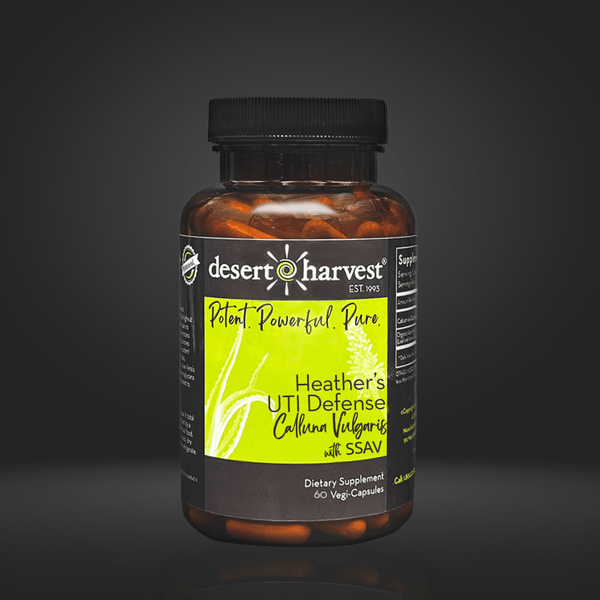
If you are interested in botanicals beyond D-mannose and cranberry, there is a third, distinctly European ingredient that the big brands tend to overlook. Heather (Calluna vulgaris) is a plant with a long heritage in European herbal tradition, growing wild across moorland from Britain to the Alps. Heather's UTI Defense is a heather-based food supplement, intended as part of a bladder-friendly daily routine alongside sensible hydration, rather than as a medicine. Like cranberry and D-mannose, it carries no authorised EU health claim and is not intended to prevent or treat any infection; it is simply a calm, maintenance-minded option for people who would prefer a European plant to an American berry or a lab-made sugar.
For the wider context, including how each ingredient compares and what everyday urinary comfort really involves, see our pillar guide to urinary comfort and bladder wellbeing. And if cystitis keeps returning even though the tests are clear, see where Aloe Vera for cystitis sits next to D-mannose and cranberry.
Everyday habits still matter most
Whatever supplement you choose, the dull-but-dependable basics deserve top billing. Staying well hydrated, not delaying when you need the loo, and a few simple daily habits do more for general urinary comfort than any single ingredient. A supplement, by definition, complements those habits rather than replacing them, so think of D-mannose, cranberry or heather as a small, optional companion to good hydration and a balanced lifestyle, not a quick fix.
Good to know
Frequently asked questions
How much D-mannose should I take per day?
How long does D-mannose take to work?
Can I take D-mannose every day for maintenance?
Is it safe to take D-mannose long term?
Food supplements are not a substitute for a varied, balanced diet and a healthy lifestyle. This article is general educational information about urinary and bladder wellbeing and is not medical advice; it does not diagnose, treat or prevent any condition. If you have urinary symptoms, recurrent infections or any other health concern, please speak to your GP or pharmacist. Heather's UTI Defense is a food supplement.