In short: Aloe vera is one of the most popular plant ingredients for people with sensitive skin, and for good reason. A well-made aloe gel is lightweight, water-rich and fragrance-free, which suits skin that flushes, tightens or reacts easily. It will not suit absolutely everyone, so a patch test is sensible, but for many people aloe is a calm, comforting first choice. This honest guide explains why, and how to use it gently.
Sensitive skin is not a single thing. For some it means redness after a hot shower; for others it is a constant feeling of tightness, dry patches that flake in winter, or stinging when a new product is applied. What these experiences share is a low tolerance threshold: the skin reacts to things that calmer skin would shrug off. When you are choosing what to put on reactive skin, the guiding principle is simple. Soothe, do not strip.
Why aloe vera suits reactive skin

Purified aloe vera gel is roughly 99% water, and that matters. Sensitive skin often struggles with rich, occlusive creams that feel heavy or trap warmth, which can leave it feeling more irritated rather than less. A water-based gel sits lightly, sinks in quickly and delivers a cooling, refreshing sensation that many people find immediately calming on a flushed or overheated face.
Beyond water, aloe contains polysaccharides such as acemannan, vitamins and other naturally occurring plant compounds. In cosmetic terms, what you feel is the point: a good aloe gel hydrates, soothes and helps skin feel soft and supple, while leaving no greasy residue. It is also naturally suited to a fragrance-free, vegan routine, which removes two of the most common triggers for reactive skin in one step.
If you want the fuller picture of how aloe fits alongside everyday skin, the look of scars and intimate comfort, our sensitive skin and aloe guide brings the whole calm-skin world together in one place.
What aloe is not
It helps to be clear about what aloe vera is and is not. As a cosmetic ingredient, aloe looks after the surface of the skin: comfort, hydration and the way skin feels and looks. It is not a medicine, and it is not a substitute for advice from a doctor or pharmacist if you have a persistent skin concern. Conditions that need medical attention need medical attention. Aloe sits in the gentler, everyday-care part of your routine.
Fragrance, simplicity and why they matter

Fragrance, whether synthetic or from essential oils, is one of the most frequent reasons sensitive skin reacts. A fragrance-free formula removes that variable entirely. The same logic applies to ingredient lists in general: the shorter and clearer the list, the easier it is to identify what your skin likes. This is why a transparent aloe gel, where you can see the aloe content and confirm there is no added perfume, is such a sensible starting point.
One detail worth understanding when you compare aloe products: all aloe vera naturally contains anthraquinones such as aloin in the latex layer of the leaf, which can be harsh and is not what you want on sensitive skin. What matters is not which part of the leaf the label names, but whether those anthraquinones have been removed. Look for aloe that is described as anthraquinone-free, aloin-free, purified or decolourised. Desert Harvest aloe is made this way: a patented decolourising process removes the aloin, and the aloe is freeze-dried into a purified, acemannan-rich form, so what reaches your skin is the gentle, soothing part without the irritating latex compounds.
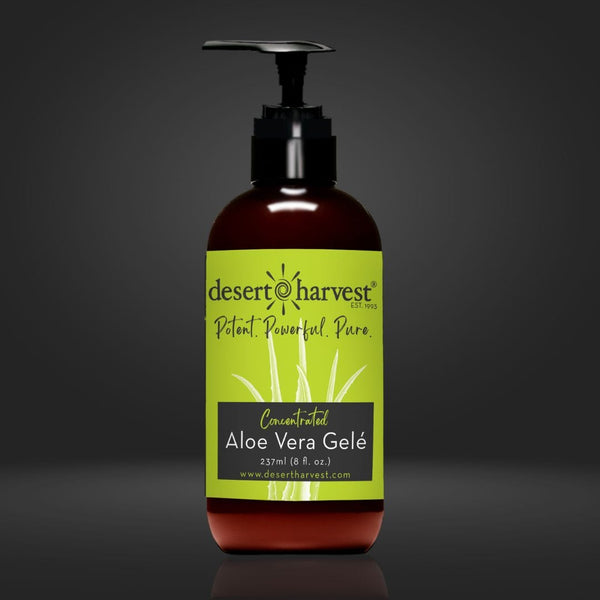
Our Aloe Vera Gelé by Desert Harvest is built around exactly this idea: an aloe-first, fragrance-free gel designed to feel light and comforting on skin that does not tolerate much. It is the dependable, multi-use soother in the range, and a gentle place to begin if aloe is new to you.
How to use aloe on sensitive skin
Gentleness is as much about technique as ingredients. A calm approach goes a long way.
- Patch test first. Apply a small amount to the inner forearm and leave it for 24 hours before using it on your face. This is the single most useful habit for reactive skin.
- Apply to clean, slightly damp skin. Aloe layers beautifully over a gentle cleanse, and damp skin helps a water-based gel spread evenly.
- Use a thin layer. More is not better. A light film absorbs quickly and feels comfortable under a moisturiser or sunscreen.
- Keep the rest of the routine short. The fewer active steps around it, the easier it is to tell what is working.
If your main concern is dryness and tightness rather than reactivity, you may also like our companion piece on building a fragrance-free calm-skin routine, which walks through morning and evening steps in more detail.
When to be cautious
Aloe is generally well tolerated, but no ingredient suits everyone. A small number of people are sensitive to aloe itself, which is exactly why the patch test matters. If you notice stinging, increased redness or itching that does not settle, stop using the product and give your skin a rest. If a reaction is significant or persistent, or if you are managing a diagnosed skin concern, speak to a pharmacist or doctor before continuing. Aloe is a comfort step, not a clinical one.
The honest bottom line
For most people with sensitive, dry or easily flushed skin, a fragrance-free, aloe-first gel is one of the gentlest, most versatile things you can keep on the shelf. It hydrates without heaviness, soothes the feeling of warmth and tightness, and earns its place through reliability rather than drama. Start with a patch test, keep the routine simple, and let your skin tell you the rest.

Good to know
Frequently asked questions
Is aloe vera good for sensitive skin?
Can aloe vera gel cause irritation, and how do I patch test?
Is aloe vera suitable for vegan and fragrance-free routines?
How often should I apply aloe vera gel?

For external use only. Avoid the eye area and any broken skin, and patch test before first use. This article is general cosmetic information about skincare, not medical advice; our aloe products are cosmetics, not medicines. If you have a persistent skin concern, please speak to your doctor or pharmacist.