In short: Caring for a settled scar at home comes down to three gentle habits: massage, moisture and patience. Once a scar is fully closed, light daily massage with a comforting cream keeps the skin soft and supple, regular moisture supports its appearance, and consistency over months matters far more than any single product. Here is a calm, practical routine, with clear notes on when to involve a professional.
Home scar care has a quiet rhythm to it. It is not about quick fixes or dramatic results; it is about showing up for a few minutes each day with gentle hands and a little cream. Done patiently, this kind of routine helps the skin around an older mark feel softer and look its best. The key word throughout is gentle.
First, make sure the scar is ready
Home massage and cosmetic creams are for scars that are fully closed and settled, with intact skin, not for open or recent wounds. If your scar is from recent surgery, ask your surgeon or nurse when it is appropriate to begin massage, as they will know your situation. Once you have the go-ahead and the skin is intact, you can start the gentle routine below. We cover the bigger picture of what Aloe Vera can and cannot do in our piece on Aloe Vera and scars.
How to massage a scar gently

Scar massage is simple and should never be painful. A typical approach:
- Clean your hands and the area first.
- Apply a little cream for slip, so your fingers glide rather than drag.
- Use small, gentle circles over and around the scar with one or two fingertips.
- Try light directions too: gentle circular, vertical and horizontal movements.
- Keep the pressure light to moderate, enough to move the skin a little, never enough to hurt.
- A few minutes, once or twice a day, is plenty.
Many people find massage helps the skin feel softer and more flexible over time, and it is a calming little ritual in its own right. A comforting, slip-friendly cream makes it far more pleasant than working on dry skin.
Moisture: the steady companion
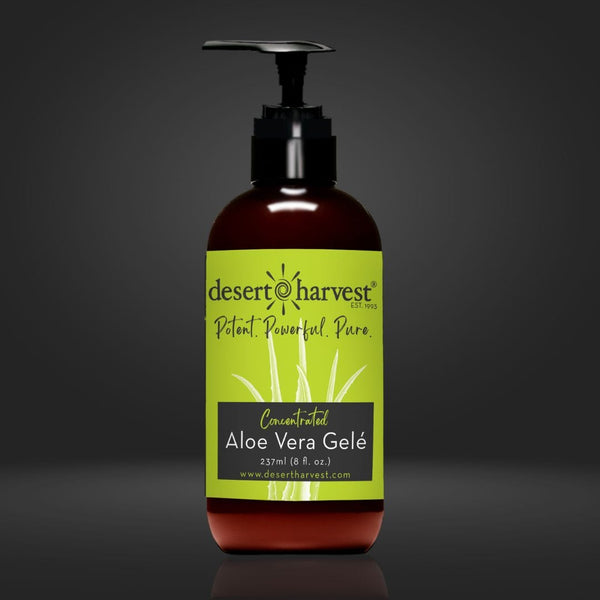
Between massage sessions, keeping a settled scar moisturised helps the skin stay soft and supple and supports how the area looks. An Aloe Vera-rich cream is a gentle choice here, especially for sensitive skin, because it hydrates and soothes without heavy fragrance. Our Aloe Renew Scar Cream is designed exactly for this dual role, comfortable enough for daily massage and hydrating enough to use in between. You can see how it fits the wider range on our sensitive skin and Aloe Vera hub.
Patience and protection

Skin changes slowly, so the honest expectation is gradual, modest change over months rather than days. Two habits help you stay the course:
- Protect the scar from the sun. Marks can darken with sun exposure, so cover a settled scar or use SPF on it during the day.
- Track gently. A photo every few weeks can reveal slow change that day-to-day looking misses, and it keeps you motivated.
It also helps to fold scar care into something you already do, such as your evening routine, so it becomes automatic rather than another task to remember.
When to involve a professional
Home care suits settled, comfortable scars. Some situations call for professional input instead. Speak to a doctor, pharmacist or appropriate specialist if a scar is raised and growing, increasingly firm, painful or itchy, changes colour or shape, or simply concerns you. For raised hypertrophic and keloid scars in particular, there are evidence-led options worth discussing; we compare Aloe Vera and silicone neutrally in our Aloe Versus silicone guide. Home massage is a comfort and appearance measure, not a medical one.
The takeaway
Caring for a scar at home is a gentle, patient practice: light daily massage with a comforting cream, steady moisture in between, sun protection, and realistic expectations measured in months. Make sure the skin is fully settled before you start, keep every touch gentle, and ask a professional about anything that grows, hurts or worries you. Calm consistency is the whole secret.

Good to know
Frequently asked questions
How do I massage a scar at home?
When can I start massaging a scar?
What cream is best for scar massage?
How long should I keep up scar massage?

For external use only, on fully closed and settled skin. Avoid open or recent wounds, patch test before first use, and protect a scar from the sun. This is general cosmetic information about the appearance of skin, not medical advice; our Aloe Vera products are cosmetics, not medicines. For any scar that is raised, painful, changing or concerning, please consult a healthcare professional.