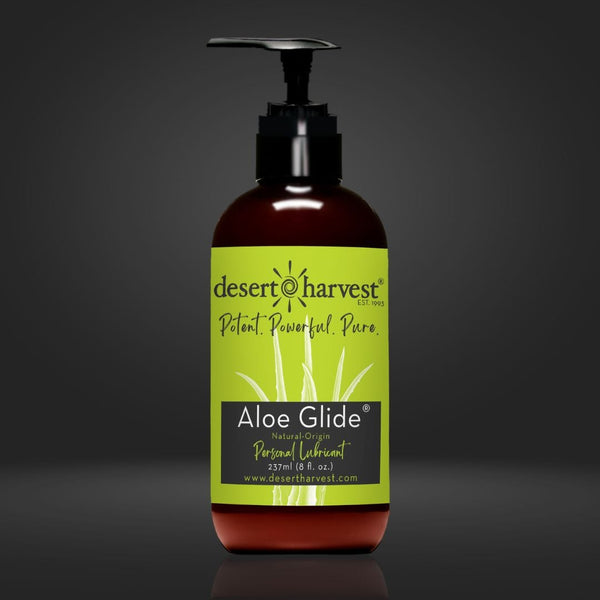
The short answer: a lubricant is used in the moment to reduce friction, while an intimate moisturiser is used regularly to support ongoing comfort and hydration of intimate tissue. They overlap, and some Aloe Vera-based products comfortably do both, but they are designed around two different needs. Knowing which is which makes it much easier to choose what suits you.
If you have ever stood in front of a shelf wondering why one product says lubricant and another says moisturiser, this calm, plain-English guide is for you.
What a lubricant is for
A personal lubricant is an in-the-moment product. Its job is to reduce friction and add slip and comfort, most often before or during intimacy. You apply it when you need it, and its effect is immediate and temporary. People reach for lubricants for many reasons, including everyday dryness, sensitivity, or simply for added comfort. There is nothing unusual about using one.

Lubricants come in different bases, most commonly water-based and silicone-based, and the base affects how long the slip lasts and what the product can be used with. We compare these in our guide to water-based or silicone lubricant.
What an intimate moisturiser is for
An intimate moisturiser is a routine product. Rather than being used only in the moment, it is applied regularly, often every couple of days, to support ongoing comfort and hydration of delicate intimate tissue. Think of it the way you might think of a facial moisturiser: a steady habit rather than a one-off.
This routine approach is why intimate moisturisers are often discussed in the context of menopause and perimenopause, when tissue can feel drier and more sensitive. You can read more about that life-stage in our guide to vaginal dryness in menopause. To be clear, an intimate moisturiser supports everyday comfort; it is not a medical treatment.
Lubricant vs moisturiser at a glance

- Timing — Lubricant: in the moment. Moisturiser: regular routine.
- Main purpose — Lubricant: reduces friction and adds slip. Moisturiser: supports ongoing hydration and comfort.
- How long it lasts — Lubricant: temporary, for the occasion. Moisturiser: comfort that builds with regular use.
- Typical user moment — Lubricant: before or during intimacy. Moisturiser: as part of a daily or alternate-day routine.
Can one product do both?
Yes, some can. An Aloe Vera-based gel can be gentle enough for regular use as a moisturiser and slippery enough to be used in the moment as a lubricant. Our Aloe Glide intimate moisturiser and personal lubricant is designed as exactly this kind of dual-purpose, Aloe Vera-led, glycerin-free and fragrance-free option. Using one gentle product for both can keep your routine simple.
Which do you need?
It comes down to what you are looking for. If you mainly want comfort during intimacy, a lubricant is the natural choice. If you want to support everyday comfort and hydration as a steady habit, a moisturiser fits better. Many people use both, or one dual-purpose product. If you are managing menopausal dryness, a routine moisturiser plus a lubricant when wanted is a common, sensible combination.
For the bigger picture of how washing, moisturising and external skin care fit together, visit our Pelvic and Intimate Wellness hub.
A note on compatibility and ingredients
Whatever you choose, gentle is good. Many people prefer fragrance-free, glycerin-free and paraben-free formulas, particularly if they have sensitive skin. If you plan to use a product alongside condoms or intimate accessories, check the pack, because water-based products are broadly compatible while oil-based ones are not always suitable with latex.
Getting the most from either
A few simple habits help whichever you choose. Patch test a small amount on the inner forearm before first use, especially if your skin reacts easily. Apply gently and reapply as needed rather than using more than the pack suggests. Store the product somewhere cool and dry, keep the cap clean, and check the period-after-opening symbol so you use it while it is fresh. If anything ever stings, feels uncomfortable or causes irritation, stop and let your skin settle, then speak to a pharmacist if you are unsure. Comfort should feel comfortable, and a gentle, well-chosen product is the simplest way to keep it that way day to day.
Good to know
Frequently asked questions
What is the difference between a lubricant and a vaginal moisturiser?
A lubricant is used in the moment to reduce friction, usually before or during intimacy. A moisturiser is used regularly to support ongoing comfort and hydration. Some Aloe Vera-based products can be used for both.
Is it safe to use a lubricant or intimate moisturiser every day?
A gentle, fragrance-free and glycerin-free intimate moisturiser is generally designed for regular use. Patch test first, follow the pack directions, and stop if you notice any irritation. A pharmacist can advise if you are unsure.
Can I use an intimate lubricant with condoms and sex toys?
Water-based lubricants are broadly compatible with condoms and most intimate accessories. Oil-based products are not always suitable with latex. Always check the product packaging for confirmed compatibility before use.
What should I look for in a natural lubricant for menopause dryness?

Many people look for gentle, fragrance-free and glycerin-free formulas, often Aloe Vera-based, that feel kind to sensitive tissue. These support everyday comfort rather than acting as a medical treatment. A pharmacist or menopause specialist can discuss further options.

This article is general information about intimate comfort and is not medical advice. Aloe Glide is an intimate moisturiser and personal lubricant intended for intimate comfort and hydration, used as directed; it is not a medicine and is not intended to diagnose, treat or cure any condition. Patch test before first use and follow the on-pack directions. If symptoms persist or concern you, speak to a pharmacist or GP.