Choosing a natural lubricant comes down to three things: what it is made from, how it feels on delicate tissue, and what the label actually tells you. The most useful signals are a short, readable ingredient list, fragrance-free and pH-aware formulation, and a base ingredient you recognise, such as Aloe Vera. This calm guide explains the common ingredients and the label terms so you can choose with confidence.
It is general education about comfort and ingredients, not medical advice, and no lubricant described here is a treatment for any condition.
What "natural" really means on a label
The word natural is not tightly defined, so it pays to look past it to the ingredient list. A genuinely gentle natural lubricant tends to lead with a recognisable, soothing base, keep the list short, and leave out the extras that commonly irritate sensitive skin. Aloe Vera is a popular natural base because it is hydrating and gentle, and it is the heritage ingredient behind an Aloe Vera-led approach to intimate care.

Common lubricant bases compared
Most lubricants are built around one of a few bases. Here is a neutral comparison of how they tend to differ:
| Base | Feel and use | Things people consider |
|---|---|---|
| Aloe Vera (water-based) | Light, soothing, hydrating; good for daily comfort and in the moment | Often fragrance-free and glycerin-free; broadly condom-compatible |
| Glycerin-based (water-based) | Slippery and inexpensive; long-established | Glycerin can raise osmolality; some prefer to avoid it on sensitive tissue |
| Plant-polymer or cellulose (water-based) | Long-lasting slip from gels and gums | Used by several organic and plant-based brands; check the full list |
| Silicone-based | Very long-lasting, water-resistant | Not always suitable with silicone accessories; sits on top of skin |
For a deeper look at the two main bases, see our guide to water-based or silicone lubricant.
Why glycerin is something some people check for
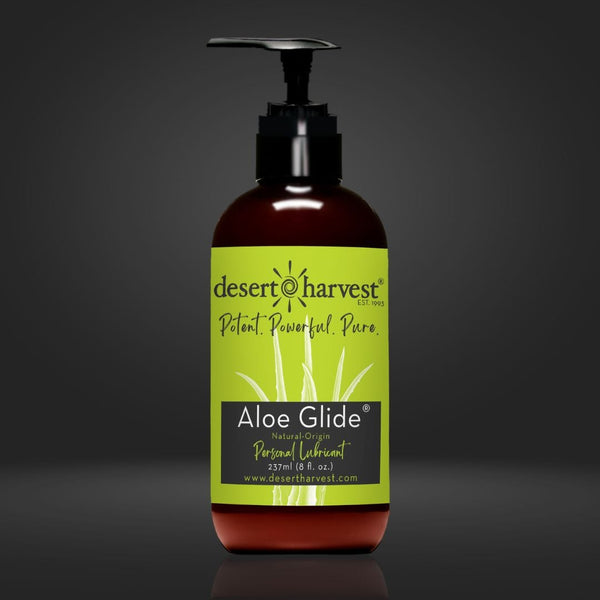
Glycerin is a common, inexpensive humectant that makes a lubricant feel slippery. It is widely used and considered safe by regulators, but it is also one of the reasons some people choose glycerin-free formulas. Glycerin can increase a product's osmolality, and high-osmolality products may feel drying to some people over time. If your skin is sensitive, a glycerin-free option is a reasonable preference, which is one reason our Aloe Glide intimate moisturiser and personal lubricant is formulated glycerin-free.

Osmolality and pH, briefly
Two technical-sounding label terms are worth a plain-English mention. Osmolality describes the concentration of dissolved ingredients. World Health Organization and UNFPA guidance for water-based lubricants suggests staying below 1200 mOsm/kg, with values closer to the body's natural level (around 380 mOsm/kg or lower) considered preferable. pH describes acidity; the same guidance points to a pH in the acidic range broadly consistent with healthy vaginal tissue (around 3.8 to 4.5). You will not always see these numbers on a pack, but knowing they exist helps you ask better questions.
How a lubricant fits a wider routine
A lubricant rarely works alone. Many people pair an in-the-moment lubricant with a regular intimate moisturiser for everyday hydration, gentle fragrance-free cleansing, and a soothing balm for the external skin of the vulva. Choosing products from the same gentle, Aloe Vera-led family keeps the ingredients consistent and reduces the chance of a surprise reaction. If you react easily to new products, introduce one at a time so you can tell what suits you, and always patch test on the inner forearm first.
A simple label checklist
- Short, readable ingredient list with a recognisable base such as Aloe Vera.
- Fragrance-free, paraben-free, and glycerin-free if you prefer.
- pH-aware, formulated with intimate tissue in mind.
- Clear directions and a period-after-opening symbol.
- Stated compatibility with condoms or accessories if you need it.
So which is best for you?
There is no single best lubricant for everyone. If you want a gentle, hydrating, everyday option, an Aloe Vera-based, glycerin-free and fragrance-free formula is a sensible starting point, and it suits many people navigating menopausal dryness who want a calm, hormone-free comfort choice. If you are unsure where to begin, our Pelvic and Intimate Wellness hub maps each comfort need to a suitable option, and our explainer on Aloe Vera intimate care goes deeper on the Aloe Vera question.
Good to know
Frequently asked questions
What is the best natural lubricant for menopause dryness?
There is no single best for everyone, but many people choose a gentle, Aloe Vera-based, glycerin-free and fragrance-free formula for everyday comfort during menopause. This supports comfort rather than acting as a medical treatment. A pharmacist or menopause specialist can discuss further options.
Which ingredients should I avoid in an intimate lubricant?
Many people prefer to avoid added fragrance and parabens, and some look for glycerin-free formulas to keep things light on sensitive tissue. A short, readable ingredient list and a pH-aware formula are reassuring signs.
What is osmolality and why does it matter for a lubricant?
Osmolality measures the concentration of dissolved ingredients. WHO and UNFPA guidance for water-based lubricants suggests staying below 1200 mOsm/kg, with values nearer the body's natural level preferred, as very high osmolality may feel drying for some people.
Why is glycerin in lubricants sometimes a problem?

Glycerin is widely used and regulator-approved, but it can raise a product's osmolality and some people find glycerin-free formulas more comfortable on sensitive tissue. It is a matter of personal preference rather than a safety warning.

This article is general information about intimate comfort and is not medical advice. Aloe Glide is an intimate moisturiser and personal lubricant for intimate comfort and hydration, used as directed; it is not a medicine and is not intended to diagnose, treat or cure any condition. Patch test before first use. If symptoms persist or concern you, please speak to a pharmacist or GP.