Lemon is one of the first things people look up when they start to pay attention to food acid. You may have come for a single number, so we give it first. Then we explain what it means for lemon juice, lemon water and a sensitive bladder.
In short: lemon and lime juice sit at about pH 2.0 to 2.6, which makes lemon one of the most acidic things in a kitchen. Calling lemon "alkaline" does not change that, and it does not tell you how your own bladder will react. Citrus is one of the foods many people report as a trigger, so the kindest approach is to learn what suits you and to adjust how you have lemon, rather than assume it is always a problem.
The pH of lemon, in plain numbers
The pH scale runs from 0 to 14. Lower numbers are more acidic, 7 is neutral, and higher numbers are alkaline. Food scientists often call anything below pH 4.6 a "high-acid" food. Lemon juice is far below that line.
Lemon and lime juice sit at about pH 2.0 to 2.6. That puts lemon among the most acidic things in a kitchen, in the same higher-acid band as cola and vinegar. Still water, by comparison, sits close to neutral, at about pH 7.
These are approximate values. The exact figure for a lemon shifts with its variety and ripeness, so the number matters less than the band it sits in. Lemon clearly belongs in the higher-acid band, whichever lemon you buy. If you would like to see many more foods side by side, our food pH chart for sensitive bladders lists them.
Why lemon is sometimes called "alkaline"
You may have read that lemon is "alkaline-forming", or that a glass of lemon water each morning can "alkalise" the body. It sounds like a contradiction, so it is worth untangling gently.

The idea comes from the alkaline diet. It sorts foods by the residue they are thought to leave once they are digested, rather than by how acidic they are when you eat them. That is why lemon, clearly acidic in the glass, is sometimes listed as alkaline-forming. Mainstream guidance sees it differently. Your body keeps the pH of your blood within a very narrow range, whatever you eat or drink, so lemon water does not change your body's overall pH.
For a sensitive bladder, neither label is really the point. The dietary guidance from the Interstitial Cystitis Association and the IC Network is about finding your own triggers, not about changing your whole-body pH. Citrus appears on those lists because many people report it, not because of one pH number. Our article on alkalising and the bladder explains how this differs from buffering a single food or drink.
Lemon water and a sensitive bladder
Citrus is on the lists of foods and drinks that many people report as triggers for a sensitive bladder. Oranges, lemons, grapefruit and their juices are the usual examples. The acids in citrus, mainly citric and ascorbic acid, give lemon its sharp taste.
That does not mean lemon will bother you. A food that irritates one person may be perfectly fine for another. A glass of lemon water may suit you on one day and not on another. So the useful question is not "is lemon allowed?" but "how does lemon sit with me?"
A short diary is the usual way to find out. It is the approach behind elimination and reintroduction:
- For a week or two, note what you eat and drink, and when your bladder feels more or less comfortable.
- Look for patterns rather than single days.
- If you suspect lemon, set it aside for a while, then bring it back gently, in a small amount, and see what you notice.
Our guide to foods and drinks that can irritate the bladder, and gentler swaps has more ideas for the diary and for what to try instead.
Gentler ways people keep a little lemon
If lemon is something you enjoy, you do not always have to give it up. People who find citrus sharp often change how they have it. These are the changes people mention most often.

- Dilute it. Adding still water means each sip carries less fruit acid. Some people begin with equal parts juice and water, then add more water until the sharp edge softens. The lemon itself stays acidic; you are simply taking in less of its acid with each sip.
- Have it with food. Lemon with a meal tends to sit more comfortably than the same glass on an empty stomach.
- Keep the amount small. A squeeze rather than a whole lemon, and a small glass rather than a large one.
- Choose the time. Many people prefer citrus earlier in the day rather than late in the evening.
Our article on how to reduce the acid in citrus juice covers dilution, pairing and timing in full.
Buffering, as one more option
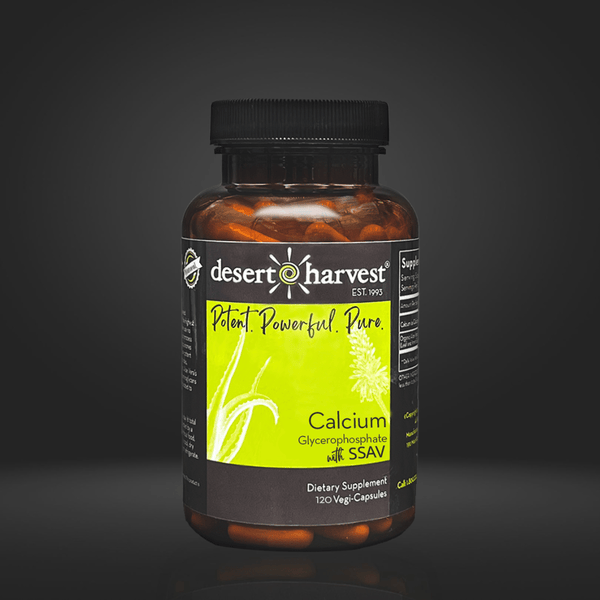
Some people also use a pre-meal acid buffer. CalGly is a food supplement that contains calcium glycerophosphate, the same active ingredient many people used in Prelief in the US, plus a little purified, anthraquinone-free, freeze-dried Aloe Vera. It is taken shortly before an acidic food or drink and may help reduce the acid content of what you eat and drink. The pot holds 120 vegan capsules. You can read the full details on the CalGly product page. It is a food supplement, not a medicine, and it sits alongside the steps above rather than replacing them. If you are pregnant, breastfeeding, taking prescribed medicine or have a medical condition, speak to your GP or pharmacist before using it.
When to see your GP or pharmacist
Food and drink changes are for day-to-day comfort. Please see your GP or pharmacist if your symptoms are persistent or getting worse, or if you notice a fever, blood in your urine, or pain in your back or side. If you are pregnant or have kidney problems, ask them before you change your diet or add a supplement. Never stop or change prescribed medicine because of something you read here.
Good to know