Tea is the drink many of us reach for when we want to be kind to ourselves, so it is unsettling to find it on a list of things that can bother a bladder. We answer that first, then look at each kind of tea.
In short: many people with a sensitive bladder find strong, caffeinated tea one of the drinks that bothers them. Weaker brews and caffeine-free infusions, such as chamomile or rooibos, are often easier. It varies from person to person, so the most reliable guide is your own notes.
Is tea bad for a sensitive bladder?
For some people, yes, and for others it is fine. The NHS page on bladder pain syndrome (BPS) lists tea, along with coffee and energy drinks, among the caffeinated drinks to avoid having too much of. It also suggests a food diary, because certain foods and drinks may make symptoms worse.
Our own food lists say the same. Caffeine comes up as something to test first, and they name strong black and green tea alongside coffee. That does not make tea "bad". It makes it a sensible thing to look at if your bladder has been uncomfortable.
Two things come up again and again: how much caffeine is in the cup, and how acidic the drink is. A weak cup of black tea and a strong, long-brewed one are not the same drink.
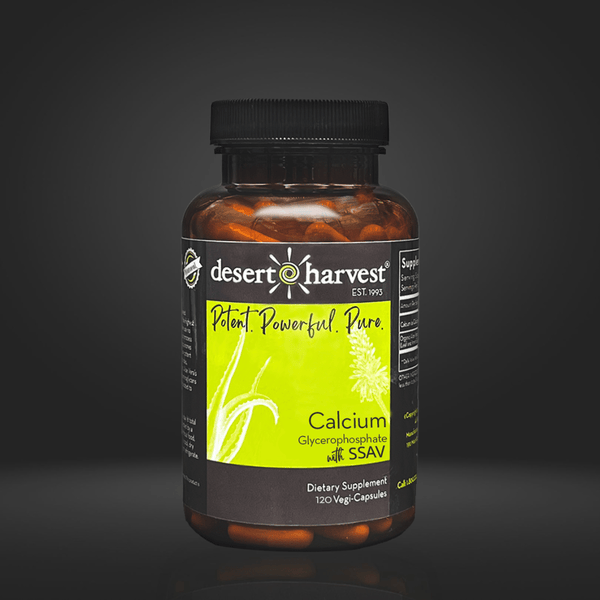
 Related productCalcium Glycerophosphate – Food-Acid Buffer with Aloe Vera4.93· 27 reviews€19,95
View product
Black tea and green tea
Both black and green tea contain caffeine, which is why both appear on lists of drinks to watch. The amount changes with the leaf, the brewing time and the size of the cup.

What you can control is strength. A short steep with the bag lifted out early gives a lighter cup than a long steep, and a larger cup with the same bag is weaker than a small one. Many people keep tea but make it weaker, have fewer cups, or drink it earlier in the day. Chai is usually made with black tea, so the same applies, and its spices are worth noting in your diary too.
On acidity, our food pH chart for sensitive bladders gives black tea at about pH 4.9 to 5.5, in its "milder" band. Lemon and lime juice sit at about pH 2.0 to 2.6, so plain black tea is far less acidic than citrus. The chart does not list green tea, so we do not give a figure for it.
Decaf, iced, sweet and fruit teas
These are the variations people ask about most.
- Decaf tea. Decaffeinating removes caffeine, which many people prefer to limit. It does not remove acid, as our guide to coffee alternatives and buffering explains for decaf coffee. So decaf tea means less caffeine, not a less acidic cup.
- Iced tea with lemon. The lemon is the part to think about. Lemon, orange and grapefruit are on the usual lists of foods that bother a sensitive bladder. Plain iced tea and iced tea with lemon are different drinks, so test them separately.
- Fruit teas. Fruit and citrus flavours can bring acidity into the cup, even when the tea itself is caffeine-free. Test them as you would a fruit juice.
- Sweet tea. Artificial sweeteners are on the usual lists of things to watch, particularly in diet and sugar-free drinks. If your tea is sweetened with them, they are worth testing on their own.
Our guide to foods and drinks that can irritate the bladder, and gentler swaps shows the wider list.
Caffeine-free infusions people find gentler
If you want a warm cup without the caffeine, two infusions are named in our bladder-friendly guides. Chamomile is mentioned as an infusion some people tolerate well. Rooibos is suggested as a swap for coffee or strong tea on more sensitive days. Both are caffeine-free.

"Often easier" is not "right for everyone", and a herbal drink is not a remedy for anything. If you are pregnant, take prescribed medicine or have a medical condition, ask your pharmacist before adding a herbal infusion.
What about peppermint and the many other infusions in the shop? The usual lists do not name them as easier or harder, so we will not guess. Test them for yourself, one at a time. Still water stays the everyday foundation, and sipping steadily through the day suits many people better than large drinks at once.
How to test one tea at a time
Reactions are so individual that a short diary is more useful than any list.
- For a week or two, write down each cup: the type, how strong it was, and the time.
- Note how your bladder feels over the next few hours.
- Change one thing at a time. Make your usual tea weaker, or swap one cup for an infusion, rather than changing everything at once.
- If you set a tea aside, bring it back gently later in a small amount, to be sure it was the cause.
Most people find their own list is shorter than the internet suggests.
Some people still want the fruit, citrus or strong black teas they love. CalGly is a food supplement made for that situation. It is a food-acid buffer: 120 vegan capsules of calcium glycerophosphate with organic Aloe Vera, taken as one capsule just before acidic food or drink, as the label says. You can read the details on the CalGly product page. It does nothing for caffeine, and it is no promise that any tea will suit you.
When to see your GP or pharmacist
Changes to your drinks are for day-to-day comfort. Please see your GP if you have bladder, lower tummy or back pain that does not go away, keeps coming back or gets worse, or if you are passing urine much more than usual. Ask for an urgent appointment the same day (in the UK, NHS 111 can also help) if you see blood in your urine, or if you have that pain with a very high temperature or feel hot, cold and shivery. If you are pregnant or have kidney problems, speak to your GP or pharmacist before changing your diet or adding a supplement. Never stop or change prescribed medicine because of something you read here.
Good to know