If you need the toilet much more often than you used to, it is natural to wonder why, especially when nothing hurts. Many everyday things can be behind it. This page goes through the common ones in plain words, using NHS information.
In short: needing to pee more often is common, and it can have many everyday reasons, from what you drink to constipation, an infection, an overactive bladder, the menopause or a medicine. It is not something you have to simply put up with. If it is new or it bothers you, tell your GP, who can help find the reason.
What can make you pee more often?
The NHS pages on bladder problems name several common reasons. More than one can be at work at the same time.
- Caffeine and alcohol. Tea, coffee, cola and alcohol can make your kidneys produce more urine, and they can irritate the bladder.
- Not drinking enough. Strong, concentrated urine collects in the bladder. This can irritate it and cause symptoms of overactivity.
- Constipation. The NHS lists it among the possible reasons for an overactive bladder.
- A urinary tract infection (UTI). Needing to pee more often than usual is one of the symptoms. Others are a burning feeling when you pee, cloudy pee and lower tummy pain.
- An overactive bladder. The bladder muscle squeezes too often, which creates a sudden need to go. The NHS says the reason for this is not always clear.
- Some medicines. Some can increase the amount of urine you make. Water tablets (diuretics) are one example. Never stop a medicine without talking to your doctor first.
 Related productCalcium Glycerophosphate – Food-Acid Buffer with Aloe Vera4.93· 27 reviews€19,95
View product
Could it be the menopause, or bladder pain?
The NHS lists needing to pee more often among the symptoms of the perimenopause and menopause. These symptoms can also continue after the menopause has ended. Our page on the menopause and the bladder explains the link in more detail.

Another possibility is bladder pain syndrome, also called interstitial cystitis. The NHS describes pain in the lower tummy or back, a feeling of needing to pee even when the bladder is empty, and peeing often in small amounts. Some people also feel discomfort as the bladder fills, and relief once they pee. It is more common in women than in men and usually affects people aged 40 or above.
The NHS says there is no single test that can diagnose it. You might need several tests to check for other conditions that could be causing your symptoms, such as a UTI. If your frequent trips come with pain that builds as your bladder fills, say so at your appointment. Our guide to interstitial cystitis and bladder pain syndrome goes through it step by step. Only a doctor can tell you what is behind your symptoms.
How often is normal?
The sources we use give no single number of toilet visits that counts as normal. What matters to your GP is a change from your own usual pattern, and whether it gets in the way of your day.
The GP may ask you to keep a diary of how much you drink and how often you go. You can start one before your appointment.
Gentle steps people take
These are simple steps the NHS mentions, and ones people often try first. They sit alongside your GP's advice, never in place of it.

- Keep drinking enough to pass pale urine. Try not to cut back on water in the daytime. The NHS says strong, concentrated urine can irritate the bladder.
- Cut down on caffeine, alcohol and fizzy drinks, one at a time. Changing one thing at a time lets you notice which one makes a difference.
- Notice acidic food and drink. Citrus and tomatoes are common ones on bladder-friendly lists. Our overactive bladder diet primer has the full list and a calm way to test it.
- If nights are the problem, ease off in the evening. The NHS suggests drinking less in the hours before bed, while still drinking enough during the day. We have more in our article on waking up to wee at night.
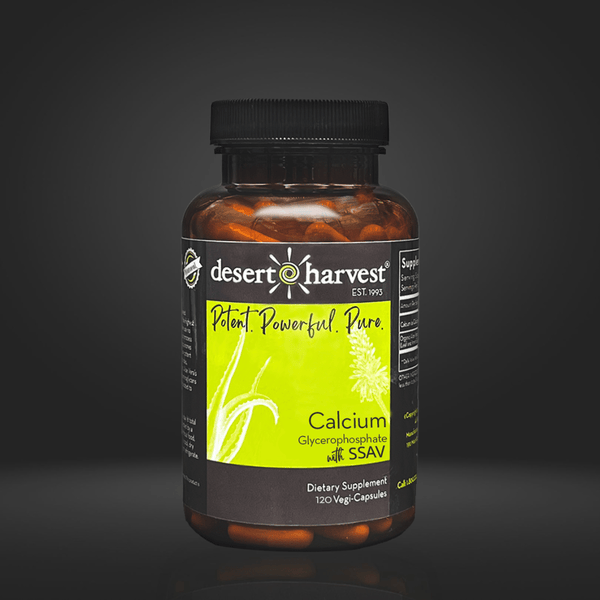
Some people notice that acidic food or drink bothers their bladder, and still want to enjoy some of it. For them, Desert Harvest Europe makes CalGly, a food-acid buffer. It is a food supplement in 120 vegan capsules, each with 230 mg of calcium glycerophosphate (44 mg of calcium, 5.5% of the NRV) and 40 mg of organic, anthraquinone-free Aloe Vera. The label says to take one capsule just before acidic food or drink. It addresses food acid only. It does nothing for caffeine, alcohol or how much you drink, and it is not a way to pee less often. You can read more on the CalGly product page. If you are pregnant, breastfeeding, have a kidney condition or take prescribed medicines, speak to your GP or pharmacist first.
Pelvic floor exercises and bladder training
The NHS describes pelvic floor exercises as strengthening the muscles you use to hold urine by squeezing them. It describes bladder training as learning ways to wait longer between needing to pee and passing urine. Both are easier to learn with help, so ask your GP, a nurse or a physiotherapist to show you how.
When to see a GP
Make an appointment if any of these sound like you:
- you are peeing much more than you usually do, or this is a new change
- you have pain in your bladder, tummy or back that does not go away or keeps coming back
- you feel a burning sensation when you pee
- you have new leaks
- you feel unusually thirsty
If you think you have a UTI, are under 65 and are not pregnant, the NHS says a pharmacist can also help.
Ask for an urgent GP appointment, or call NHS 111 in the UK (elsewhere, your local out-of-hours service), if you have blood in your pee, which may look bright pink, red or dark brown. Do the same if you have pain in the bladder, tummy or back together with a very high temperature, or if you feel very hot, or cold and shivery. These can be signs of an infection.
Peeing often is common, and there is no need to feel embarrassed talking to your GP about it.
Good to know