Overactive bladder is a medical matter, and nothing here is intended to diagnose, treat or replace advice from a health professional. What we can talk about openly is diet: the everyday foods and drinks that many people choose to moderate as part of a bladder-friendly routine, and a calm way to work out what suits you. If you are considering changes, it is sensible to speak to your GP or a registered dietitian first.
What a bladder-friendly diet usually means
There is no single official "OAB diet". What exists instead is a set of overlapping food lists shared by continence charities and the wider bladder community, refined over years of people comparing notes. Much of this guidance grew out of the dietary work done for interstitial cystitis, and organisations such as the Interstitial Cystitis Association (ICA) and the IC Network publish food lists that many people find a useful starting point. The aim is personal comfort and steadier daily habits, and what bothers one person may be perfectly fine for another.
Foods and drinks people commonly moderate
These items appear again and again on bladder-friendly lists. None of them is "banned" — the idea is simply to notice which, if any, make a difference for you.
- Caffeine — coffee, black and green tea, cola and energy drinks. Many people switch to decaffeinated versions rather than giving them up entirely.
- Alcohol — wine and beer in particular.
- Fizzy drinks — the carbonation as well as any sweeteners they contain.
- Artificial sweeteners — aspartame and saccharin; worth checking sugar-free gum, squash and "diet" drinks.
- Citrus and citrus juices — orange, grapefruit, lemon and lime.
- Tomatoes — fresh, tinned, purée, pasta sauces and ketchup.
- Spicy food — chilli and hot sauces.
- Chocolate — which also contains a little caffeine.
- Cranberry juice — often assumed to be helpful, yet it is quite acidic and frequently sits on the "moderate" list rather than the "enjoy freely" one.
Change one thing at a time
The most useful tool is also the simplest: a food and drink diary. For a fortnight, jot down what you eat and drink alongside how you feel through the day. Then adjust one thing at a time — for example, swapping ordinary coffee for decaf — and give it several days before drawing any conclusions. Reintroduce foods slowly too, so you learn what genuinely matters to you rather than cutting out half your favourites on a hunch. Stripping a diet bare rarely helps and can make balanced eating harder, so keep variety where you can.
Where food acid fits in
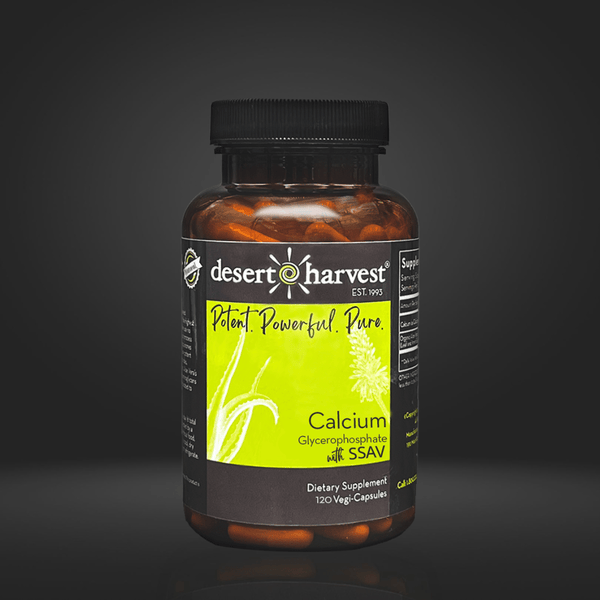
You may have noticed that several of the items above — citrus, tomatoes, coffee and cola — are also higher in food acid. This is the overlap with our wider topic of food acid and the bladder. For meals you would rather not give up, a pre-meal acid buffer can play a part: CalGly (calcium glycerophosphate) may help reduce the acid content of foods and drinks. It is the same active ingredient many people used in Prelief in the US, and we explain the background in Prelief in Europe: what to know. A buffer addresses acidity only — it does not change whether a drink contains caffeine or alcohol — so it sits alongside, rather than in place of, the food choices above.
A calm way to start
Begin with the foods you suspect most, keep your diary honest, and change things gradually. For the acid side of the picture, our food-acid relief overview and the guide to higher-acid foods on an IC-friendly diet go further, and you will find more in the bladder-friendly living blog. We explain clearly; you decide what works for your own routine.
Good to know
Frequently asked questions
Does diet cause overactive bladder?
Overactive bladder is a medical condition, and diet neither causes nor cures it. What many people do find is that certain foods and drinks suit their daily comfort better than others, which is why bladder-friendly food lists exist. For anything medical, speak to your GP.
Which foods and drinks do people most commonly moderate?
The items that appear most often on bladder-friendly lists are caffeine, alcohol, fizzy drinks, artificial sweeteners, citrus and citrus juices, tomatoes, spicy food and chocolate. None is off-limits by default; the aim is to notice what makes a difference for you.
Is cranberry juice bladder-friendly?
Despite its reputation, cranberry juice is quite acidic and often appears on the 'moderate' part of bladder-friendly food lists rather than the 'enjoy freely' part. As with everything here, it comes down to personal comfort, so a food and drink diary is the best way to judge.
How does CalGly fit into a bladder-friendly diet?
CalGly (calcium glycerophosphate) is a pre-meal acid buffer that may help reduce the acid content of foods and drinks. It is the same active ingredient many people used in Prelief in the US. It addresses food acid only, so it sits alongside your food choices rather than replacing them, and it is not a treatment for any condition.
Food supplement. Do not exceed the recommended daily dose. Food supplements should not be used as a substitute for a varied, balanced diet and a healthy lifestyle.