For many people who keep an eye on food acid, the morning coffee is the hardest habit to change. The reassuring news is that a few small adjustments — to the bean, the brew and the cup — can noticeably soften how sharp your coffee tastes, without giving it up altogether.
Here is a practical run-through, from the supermarket shelf to the mug, and where a pre-meal buffer can fit into the routine.
Why coffee tastes sharp
Coffee naturally contains a mix of acids — chlorogenic, quinic, citric and others — that form in the bean and shift again during roasting and brewing. They give coffee much of its brightness and flavour, but they are also what many people register as a sour or sharp edge. How much ends up in your cup comes down to three things you can control: which beans you buy, how you brew them, and what you add.
Start with the bean
Roast level matters most. Darker roasts spend longer in the roaster, which breaks down more of the chlorogenic acids, so a dark or "continental" roast usually tastes rounder and less sharp than a light "city" roast.
Origin matters too. Beans grown at lower altitudes tend to be mellower — Brazilian, Sumatran and other Indonesian coffees are good examples — while high-grown East African beans such as Kenyan and Ethiopian are prized precisely for their bright, fruity acidity. If smoothness is your goal, read the bag and lean towards low-grown, darker-roasted beans, or a blend simply described as "smooth" or "low acid".
Change how you brew
Cold brew is the single biggest lever. Steeping coarsely ground coffee in cold water for 12 to 24 hours draws out far less of the sharp-tasting acid than hot water does, which is why cold brew is so often described as smooth and mellow. You can drink it cold or warm it through gently afterwards.
If you prefer it hot, a few tweaks help:
- Brew a little cooler, around 90 to 92°C rather than near-boiling.
- Grind slightly coarser and avoid over-extracting.
- Use a paper filter, which holds back some compounds a metal filter lets through.
- Favour a longer, gentler method such as drip or cafetière over a short, concentrated espresso if sharpness bothers you.
What you add to the cup
A generous splash of milk softens the edge: dairy proteins bind some of the sharper notes, and milk is gentler than black coffee. Among the plant options, oat tends to be the most neutral and the least likely to split, while some nut milks can taste thin. A tiny pinch of salt is an old café trick that tames perceived bitterness without much change to the flavour. A pinch of bicarbonate of soda will go further still, though it alters the taste, so use it sparingly.
Where a pre-meal buffer fits
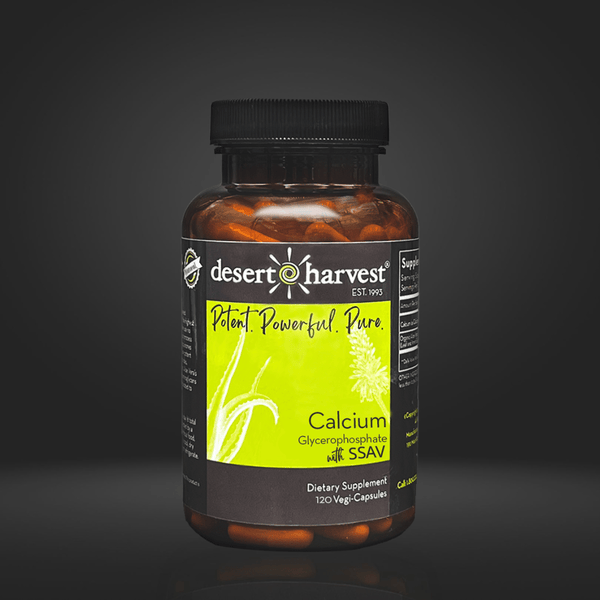
Even a well-chosen, well-brewed coffee still carries some natural acid, and coffee appears regularly on the higher-acid lists within IC-friendly dietary guidance from groups such as the ICA and the IC Network. That is where a pre-meal buffer can sit alongside the changes above. CalGly contains calcium glycerophosphate — the same active ingredient many people used in Prelief in the US — taken just before you eat or drink, and it may help reduce the acid content of foods and drinks. You can read the detail in our explainer on how calcium glycerophosphate buffers food acid, or step back for the wider picture on our food acid and the bladder page.
Put together — smarter beans, a gentler brew, a softer cup and a buffer when you want one — your morning coffee can stay a comfortable part of a bladder-friendly routine rather than something to dread.
Good to know
Frequently asked questions
Does dark roast coffee really have less acid than light roast?
Roasting breaks down some of the chlorogenic acids in the bean, so darker roasts generally taste rounder and less sharp than light roasts. Pairing a darker roast with a low-grown origin, such as a Brazilian or Indonesian bean, tends to give the smoothest cup.
Is cold brew less acidic than hot coffee?
Cold water draws out far less of the sharp-tasting acid than hot water, which is why cold brew is so often described as smooth and mellow. You can drink it cold or warm it through gently once it has steeped.
Does adding milk make coffee gentler?
A splash of milk softens the sharp edge, as dairy proteins bind some of the sharper notes and milk is gentler than black coffee. Among plant milks, oat tends to be the most neutral and least likely to split.
Where does a pre-meal buffer like CalGly fit in?
CalGly contains calcium glycerophosphate — the same active ingredient many people used in Prelief in the US — taken just before you eat or drink, and it may help reduce the acid content of foods and drinks. It can sit alongside smarter bean and brew choices as part of a bladder-friendly routine.
Food supplement. Do not exceed the recommended daily dose. Food supplements should not be used as a substitute for a varied, balanced diet and a healthy lifestyle.