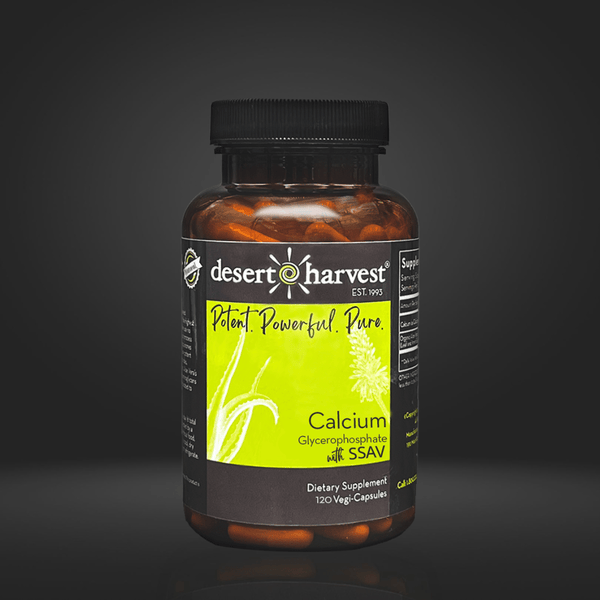
Calcium glycerophosphate is a quietly clever ingredient. It is the same ingredient many people in the US once reached for in Prelief, and it sits on the food list maintained by the IC Network and within the dietary guidance shared by the Interstitial Cystitis Association. Yet what it actually does is rarely explained in plain terms. This piece walks through the simple chemistry of how it buffers food acid, why timing matters, and why we pair it with Aloe Vera in CalGly.
Why some foods and drinks are acidic
Acidity is measured on the pH scale, which runs from very acidic to very alkaline, with the midpoint around neutral. Many everyday favourites sit firmly towards the acidic end. Coffee, citrus fruit and juice, tomatoes and tomato sauces, vinegar, wine and many soft drinks all carry a noticeable acid load. That is part of what gives them their bright, sharp character on the palate.
For most people this is simply taste. For those who pay closer attention to what they eat and drink as part of a bladder-friendly routine, the acid content of a meal is one of the things worth managing. That is where a food-acid buffer comes in.
What a buffer does, in plain language

A buffer is a substance that resists changes in pH. In practical terms, when you add a buffer to something acidic, it gently nudges the pH upwards — away from the acidic end and closer to neutral — without making the food taste chalky or different.
Calcium glycerophosphate does this because of the ions it releases. When the capsule contents mix with acidic food and drink, the compound releases calcium and glycerophosphate ions. The glycerophosphate in particular acts as a buffering agent: it soaks up some of the free acid (the hydrogen ions that make something acidic in the first place) and, in doing so, raises the pH of the mixture. The result is that the acid content of the food and drink you have eaten may be reduced.
There is no drama to it. It is the same kind of acid-balancing chemistry that goes on quietly in the body and in everyday food science. Calcium glycerophosphate simply offers a convenient, food-grade way to apply it to a meal.
Why we omit the numbers
You may see bold percentage figures attached to acid reducers elsewhere. We have chosen not to quote a single reduction figure, because the degree of buffering depends entirely on what you eat, how much, and how acidic it was to begin with. Describing the mechanism honestly is more useful than a headline number that cannot apply to every plate.
Why pre-meal timing matters

CalGly is a pre-meal buffer, and the timing is the whole point. To reduce the acid content of a meal, the buffer needs to be present while the acidic food and drink are being eaten and digested — not afterwards. Taken shortly before or at the start of an acidic meal or drink, the calcium glycerophosphate is in the right place at the right time to do its work.
In day-to-day life this is straightforward. Many people take a capsule before a morning coffee, before a glass of wine with dinner, or before a meal built around tomatoes or citrus. It becomes a small, predictable habit attached to the foods that tend to be more acidic, rather than something taken on a rigid clock.
Why we add Aloe Vera
CalGly is not calcium glycerophosphate alone. Each capsule also contains 40 mg of organic Aloe Vera, prepared from the same anthraquinone-free Aloe Vera used in our Super-Strength Aloe Vera. Anthraquinones are the harsh compounds found in poorly processed Aloe Vera; removing them leaves a far gentler ingredient, which is why we take care over the source.
Aloe Vera is a long-standing part of the Desert Harvest story, and including it here reflects how many people already build their routine: a pre-meal acid buffer alongside Aloe Vera, in a single vegan capsule rather than two products. Calcium glycerophosphate provides 230 mg per capsule, contributing 44 mg of calcium, in a formula designed to slot neatly into an IC-friendly day.

Where calcium glycerophosphate fits
None of this is about treating anything. It is about managing the acid content of what is on your plate, which is exactly why calcium glycerophosphate appears in dietary resources such as the IC Network food list. For a fuller view of how acidity, diet and the bladder relate to one another, our pillar guide on food acid and the bladder sets out the wider picture.
If you previously used Prelief in the US and have been looking for a European option, CalGly is built around the same active ingredient. You can read the full specification and ingredients on the CalGly product page.
Good to know

Frequently asked questions
Does calcium glycerophosphate change how food tastes?
No. It is a mild, food-grade mineral salt that works on the acidity without making food taste chalky or different.
When should I take CalGly?
Shortly before, or at the start of, an acidic meal or drink — so the buffer is in the right place at the right time.
Why don't you quote a percentage figure?
Because the degree of buffering depends entirely on what you eat, how much, and how acidic it was to begin with. Describing the mechanism honestly is more useful than a headline number that cannot apply to every plate.
How does it relate to Prelief?
It is built around the same active ingredient many people used in Prelief in the US, with organic Aloe Vera added. We make no claim that the two products are identical.
Food supplement. Do not exceed the recommended daily dose. Food supplements should not be used as a substitute for a varied, balanced diet and a healthy lifestyle. Keep out of reach of children. Consult a healthcare professional before use if you are pregnant, breastfeeding, taking medication or have a medical condition.