A settled routine is easiest at home, where you choose every ingredient. Meals away from home are less predictable: a restaurant kitchen, a service station, an airline tray. For many people who follow a bladder-friendly diet, that unpredictability is the part that takes the most planning. This guide is about making it simpler, with menu choices you can lean on and a small habit that travels well.
Reading a menu with food acid in mind
Some dishes tend to carry more food acid than others. Tomato-based sauces, citrus dressings, vinegar-heavy marinades, wine reductions, strong coffee, and fizzy or citrus drinks all sit at the higher end. Plates that lean lower in acid include grilled or roasted meat and fish, cream- or butter-based sauces, plain rice or potatoes, and most cooked vegetables. None of this is about avoiding food you enjoy. It is about knowing where the acid usually hides so you can make a calm choice. Our companion piece on higher-acid foods to watch for goes through the usual suspects, and the food acid and the bladder pillar explains the bigger picture.
Ordering without making a fuss
You rarely need to interrogate the kitchen. A few quiet requests cover most situations: ask for dressings and sauces on the side, swap a citrus garnish for something plainer, and choose still water over fizzy or citrus drinks. If a dish arrives in a rich tomato sauce, a grilled alternative is usually available. At a buffet or shared table, a quick scan tells you which dishes to load up on and which to take a little of. The dietary guidance published by groups such as the ICA and the IC Network is a useful reference if you want a fuller list to keep on your phone.
Keeping a pocket buffer to hand
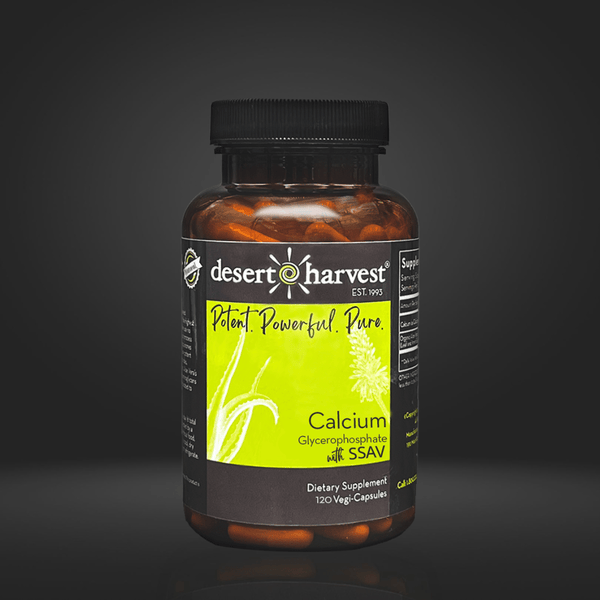
When you cannot control the ingredients, a pre-meal acid buffer is a reassuring thing to have with you. CalGly is calcium glycerophosphate in a vegan capsule, taken before a meal, which may help reduce the acid content of foods and drinks. The 120-capsule pot is easy to decant into a small pill case that lives in a handbag, jacket pocket or wash bag, so you are not caught out by a last-minute restaurant choice. If you would like to understand what is actually happening, how calcium glycerophosphate buffers food acid walks through it plainly.
Travelling further afield
Good to know
Frequently asked questions
Can I take CalGly capsules through airport security and on a plane?
Yes. CalGly is a food supplement, so it travels in your hand luggage like any other. Keeping it in its original packaging or a clearly labelled pill case keeps things simple, and no special declaration is usually needed. Rules vary by airline and airport, so it is worth checking before you fly.
When should I take a pre-meal buffer when eating out?
Most people take it shortly before the meal, following the directions on the label. It is most useful when you cannot fully control the ingredients, such as at a restaurant, buffet or someone else's table.
What are good lower-acid menu choices?
Grilled or roasted meat and fish, cream- or butter-based sauces, plain rice or potatoes, cooked vegetables and still water tend to sit lower in food acid. Asking for dressings and sauces on the side gives you more control. Dietary guidance from the ICA and IC Network offers fuller lists.
Is calcium glycerophosphate the active ingredient in Prelief?
Calcium glycerophosphate is the active ingredient many people used in Prelief in the US. CalGly is a European product built around it, not an equivalent. You can read more in our guide to Prelief in Europe.
For flights, CalGly is a food supplement, so it travels in hand luggage like any other. Keeping it in its original packaging or a clearly labelled pill case keeps things straightforward at security, though rules vary by airline and airport, so it is worth a quick check before you go. Across time zones, the simplest approach is to keep taking it with meals as you normally would, rather than by the clock. Long days of sightseeing, road trips with service-station stops and early starts all run more smoothly when your buffer is already in your bag and your water bottle is filled.
Building a routine you can rely on
Eating out and travelling well comes down to three small habits: plan a little ahead, default to lower-acid choices when you can, and keep a pocket buffer to hand for the meals you cannot plan. None of it needs to dominate the day. For a short overview of how the pieces fit together, see our food acid relief page, and browse bladder-friendly living for more practical reading. We explain clearly, you decide what works for you.
Food supplement. Do not exceed the recommended daily dose. Food supplements should not be used as a substitute for a varied, balanced diet and a healthy lifestyle.