A flare can arrive out of nowhere. One day your bladder feels settled, the next there is pressure, urgency and that all-too-familiar ache. If you live with interstitial cystitis, sometimes called bladder pain syndrome, you already know the feeling. What helps is having a plan you can reach for instead of panicking, a calm routine you trust.
Here is a gentle, practical one you can adapt to yourself.

First, take the pressure off the moment
Flares feed on stress. The tighter you brace, the worse the pelvic floor can grip, and the more uncomfortable everything feels. Before anything practical, give yourself permission to slow down. A few minutes of slow breathing, warmth and quiet genuinely take the edge off for many people.
- Warmth. A hot water bottle or wheat bag low on the tummy or between the legs is a long-standing comfort for bladder ache.
- Soften the floor. Rather than clenching, let your shoulders, jaw and pelvic floor relax on each out-breath.
- Rest where you can. A flare is your body asking for a lighter day. Reschedule what you reasonably can.
- Keep sipping water. It is tempting to stop drinking, but concentrated urine often stings more. Steady, gentle sips usually feel kinder.
- Reach for known-safe foods. Stick to your blandest, most reliable choices for a day or two.

Steady your drinks and food for a couple of days
During a flare, most people pull back to their safe list: plain water, low-acid foods, and nothing that has nipped them before. Coffee, alcohol, citrus, tomato and very spicy food are common culprits, though triggers are personal. Our bladder-friendly food list is a handy reference for the calmer end of the menu, and it pairs well with minding your hydration so urine stays pale and less irritating.
Keep a quick flare note
When you are feeling better, jot down what the last day or two looked like: foods, drinks, stress, sleep, your cycle. Over time these notes reveal your personal patterns far better than memory does. The living with interstitial cystitis guide has more on building this kind of gentle self-knowledge.

Where a steady Aloe Vera routine fits
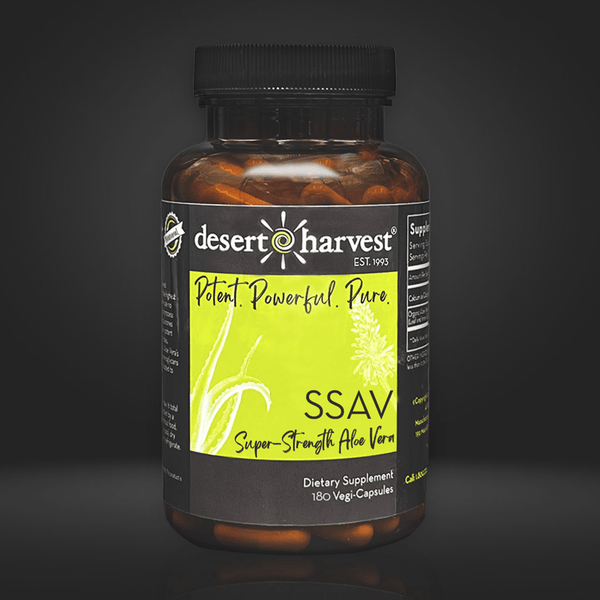
Flares are unpredictable, which is exactly why many people value a consistent daily routine in the calmer stretches between them. A daily Aloe Vera supplement such as our Super Strength Aloe Vera capsules is something people take steadily rather than only when symptoms spike, the same way you would keep up gentle habits like hydration and pacing. You can read the wider context on our Aloe Vera and the bladder page and the easier overview at Aloe Vera for bladder comfort, and see related everyday options in our daily nutrition range.
A flare is not the moment to overhaul everything at once. Keep your routine simple, and make changes when things are calm.

When to get checked
Self-care is for the familiar pattern you already know. A flare that feels different deserves attention. See a doctor promptly if you have a fever, chills, blood in your urine, back or side pain, or symptoms that are far worse than your usual, as these can point to an infection rather than a flare. If you are unsure whether it is your condition or something new, our guide on interstitial cystitis vs UTI can help you tell them apart, but when in doubt, get checked.
Common questions
How long does an interstitial cystitis flare last?
It varies hugely. Some settle within hours, others linger for days. Tracking your own flares helps you learn your typical pattern, which makes each one less frightening.
Should I stop drinking water during a flare?
Generally no. Cutting fluids concentrates your urine and can make the sting worse. Gentle, steady sipping is usually more comfortable than going dry.
Could my flare actually be a urine infection?
Possibly, especially with fever, chills or blood in the urine. If your symptoms feel different from your usual flare, get a urine test rather than assuming.
What triggers an interstitial cystitis flare?
Triggers vary a great deal from person to person, but people commonly report acidic or caffeinated drinks, certain foods, stress, tiredness, hormonal changes around their period, and sometimes tight clothing or long journeys. Keeping a simple diary of what you ate, drank and did in the day or two before a flare can help you spot your own patterns, since no single list applies to everyone.
How can I calm an interstitial cystitis flare-up?
Many people find it helps to slow everything down: sip plain water steadily, rest, and use gentle warmth such as a covered hot water bottle over the lower tummy. Easing off your known dietary triggers for a few days and giving yourself permission to do less are practical steps people often lean on. If pain is severe, you are passing blood, or symptoms are not settling, it is sensible to speak to your GP.
Can stress make an interstitial cystitis flare worse?
A lot of people with IC notice a link between stressful or exhausting spells and their flares, and studies suggest the bladder and nervous system are closely connected. This does not mean a flare is imagined; it simply means that rest, sleep and calming routines can be a genuinely useful part of getting through one, alongside the more practical steps.
What foods and drinks should you avoid during an IC flare?
During a flare, people most often choose to pause the usual irritants: coffee, tea, fizzy and acidic drinks, citrus, tomatoes, very spicy food and alcohol. Triggers are individual, so it is worth treating this as a short, gentle reset rather than a permanent rule, and reintroducing foods one at a time once things have settled.
Keep reading

Read next
Interstitial Cystitis vs UTI: How to Tell the Difference
The first worry in a flare is whether it is actually an infection.
Read more →
Read next
The Bladder-Friendly Food List
What to pause and what feels gentler while your bladder settles.
Read more →Read next
Interstitial cystitis / bladder pain syndrome
Step back from the flare to understand the condition behind it.
Read more →
Read next
Aloe Vera for Bladder Comfort: The Questions People Ask Most
The Aloe Vera questions people ask when calming a sensitive bladder.
Read more →Food supplements are not a substitute for a varied, balanced diet and a healthy lifestyle. If you have a diagnosed bladder condition, are pregnant or breastfeeding, or take prescription medication, speak to your doctor or pharmacist before starting anything new.