If your bladder is easily irritated, water can feel like a puzzle. Drink too little and your urine gets concentrated and stings. Drink too much and you are running to the loo every twenty minutes. Many people with a sensitive bladder, including those living with interstitial cystitis, end up cutting back on fluids to feel more in control, and quietly make things harder for themselves.
Here is a calmer way to think about it.
Why hydration matters more, not less, for a sensitive bladder
When you drink less, your urine becomes more concentrated. Concentrated urine is more acidic and salty, and for a tender bladder lining that can feel sharper, not gentler. Staying steadily hydrated keeps urine more dilute, which many people find easier to live with.
Good hydration also supports the rest of the system around the bladder, the kidneys, the bowel, and the soft protective layer on the inside of the bladder wall. If you want the background on that lining, our plain guide to the bladder’s GAG layer explains it without the jargon.
So how much should you actually drink?
There is no single magic number, and anyone who promises one is guessing. A widely used general guide for adults is around 1.5 to 2 litres of fluid a day, adjusted for your size, the weather, how active you are, and any advice from your own doctor. The aim is pale, straw-coloured urine, not clear, not dark.
- Start from a sensible baseline. Many people land around six to eight glasses a day across all drinks, not water alone.
- Use the colour test. Pale and light usually means you are about right. Dark and strong-smelling means top up.
- Account for heat and exercise. You lose more on hot days and after activity, so drink a little more then.
- Do not over-correct. Drinking litres on top of litres does not flush a sensitive bladder calm, it just means more trips.
- Follow personal medical advice first. If a clinician has given you a specific fluid target, theirs wins over any general rule.
Spreading it through the day
How you drink often matters as much as how much. Sipping steadily from morning onwards tends to feel kinder than gulping a big glass all at once, which can suddenly stretch a tender bladder. Try easing off in the two to three hours before bed so your night is less broken, a small change that many people notice quickly.
What to sip, and what to be wary of
Plain still water is the gentle default. Some people find that very cold water, fizzy water, citrus squash, strong coffee, tea or alcohol nudge their symptoms, while others are fine, triggers are genuinely personal. The honest approach is to keep a simple diary for a week or two and notice your own patterns. Our bladder-friendly food list is a useful companion here, since food and drink often travel together.
Where Aloe Vera fits in
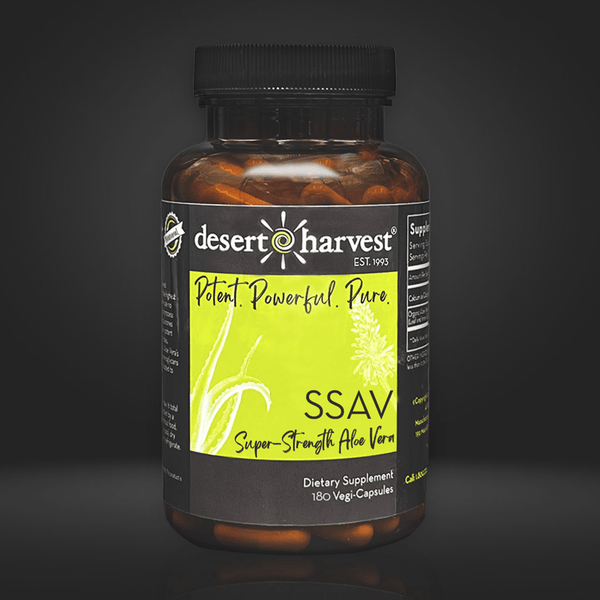
Plenty of people who are minding their fluids also take a daily Aloe Vera supplement as part of a steady routine. High-strength, decolourised options such as our Super Strength Aloe Vera capsules are designed to be taken with water, which makes them easy to fold into the hydration habit you are already building. You can read the bigger picture on our Aloe Vera and the bladder page and the gentler overview on Aloe Vera for bladder comfort, and browse related everyday support in our daily nutrition range.
None of this replaces good hydration or medical care. Think of it as one small, consistent part of looking after a sensitive system.
Common questions
Should I drink less water so I go to the loo less?
Usually not. Cutting fluids tends to concentrate your urine, which can feel more irritating, not less. Steady, moderate drinking with pale urine is the comfortable middle ground for most people.
Does it matter when I drink before bed?
For many people, yes. Easing back on fluids in the last couple of hours before sleep can reduce night-time trips. Just make sure you are still well hydrated across the day overall.
Is sparkling water bad for a sensitive bladder?
It depends on you. Some find fizzy drinks irritating, others do not notice anything. Try swapping to still water for a fortnight and see whether it makes a difference for you.
Food supplements are not a substitute for a varied, balanced diet and a healthy lifestyle. If you have a diagnosed bladder condition, are pregnant or breastfeeding, or take prescription medication, speak to your doctor or pharmacist before starting anything new.