For many women, the years around and after the menopause bring a new awareness of the bladder and urinary tract. Trips to the loo can feel more frequent or more urgent, and spells of discomfort may crop up more often than before. If that sounds familiar, you are in good company, and there is a great deal you can do to look after your everyday urinary and bladder comfort. This gentle guide explains what tends to change after the menopause, the calm daily habits that help, and where food supplements — including those featuring heather (Calluna vulgaris) — might sit within a sensible routine.
In short: falling oestrogen after the menopause changes the tissues of the urinary tract, which is why bladder symptoms become more common with age. Good hydration, gentle habits and, for some people, a daily food supplement can all support everyday urinary comfort — though none of this replaces seeing your GP when symptoms arise.
Why the urinary tract changes after the menopause
The years around the menopause bring a steady decline in the hormone oestrogen, which helps keep the tissues of the vagina, urethra and bladder neck supple, well supplied with blood and resilient. As levels fall, those tissues can become thinner, drier and a little less elastic — a cluster of changes clinicians now group under the term genitourinary syndrome of menopause (GSM).
GSM is remarkably common, estimated to affect around half of women after the menopause. Its urinary side can include needing to pass water more often, a sense of urgency and discomfort, alongside vaginal dryness. These are normal physical changes, not a personal failing, and understanding them is the first step to managing them calmly.
Why infections can feel more frequent
The same shift in tissue and in the local balance of microbes can mean some women notice more episodes of urinary discomfort after the menopause. The medical term for repeated infections is recurrent urinary tract infection (recurrent UTI), generally defined as two or more episodes in six months or three or more in a year. Organisations such as Bladder Health UK and the European Association of Urology offer balanced, well-referenced information on why this happens and on the medical options, which range from vaginal oestrogen to careful antibiotic strategies. We cite these bodies as sources of education, not as endorsements of any product.
Everyday habits that support urinary and bladder wellbeing

Much of looking after your urinary tract comes down to small, repeatable habits. None of these is a cure for anything, but together they make up a sensible, bladder-friendly routine that many people find helpful:
- Stay well hydrated. Spreading fluids evenly through the day, rather than drinking little or in big bursts, helps keep things moving comfortably. You can read more in our companion article on hydration and your bladder.
- Do not put off going. Emptying the bladder fully and reasonably regularly is gentler on it than holding on for long stretches.
- Mind the everyday irritants. Some people find that a lot of caffeine, very fizzy drinks or alcohol can make the bladder feel more sensitive; it is worth noticing your own pattern.
- Look after the basics. Activity, good sleep, a varied diet and gentle, regular pelvic floor exercises all support bladder control and the body as a whole — and pelvic floor work is widely recommended after the menopause.
Where supplements fit: an honest look at the evidence
The shelves are full of urinary supplements, and it is worth being clear-eyed about what the research actually shows. The two most familiar ingredients are D-mannose (a simple sugar) and cranberry (which contains compounds called proanthocyanidins, or PACs).
For D-mannose, the largest study to date is the UK MERIT trial, published in JAMA Internal Medicine in 2024. It followed 598 women with recurrent UTI and found no clear benefit of daily D-mannose over a placebo: 51.0% of those on D-mannose had a medically attended UTI over six months, against 55.7% on placebo — not a statistically significant difference. A 2022 Cochrane review had already rated the D-mannose evidence as poor quality. Cranberry fares a little better but still modestly: the 2023 Cochrane review concluded it may reduce the risk of repeat episodes by roughly a quarter in certain groups.

Crucially, no food supplement carries an authorised European health claim for the urinary tract. The European Food Safety Authority (EFSA) has assessed and rejected every cranberry and D-mannose urinary claim submitted to it under EU food law. That means no honest brand in Europe can tell you a supplement prevents, treats or reduces the risk of infections. We would rather say so plainly than overpromise: a supplement is a food, taken as part of a wider routine, not a medicine.
Heather (Calluna vulgaris): a European botanical with heritage
One ingredient that often surprises people is heather (Calluna vulgaris), the hardy purple plant that carpets European moorlands. Heather has a long heritage in European herbal tradition, where it has historically been associated with the urinary system — a distinctively European story, in contrast to North American cranberry and laboratory-made D-mannose. It is far less common on supplement shelves than its better-known cousins, which is partly why it interests us.
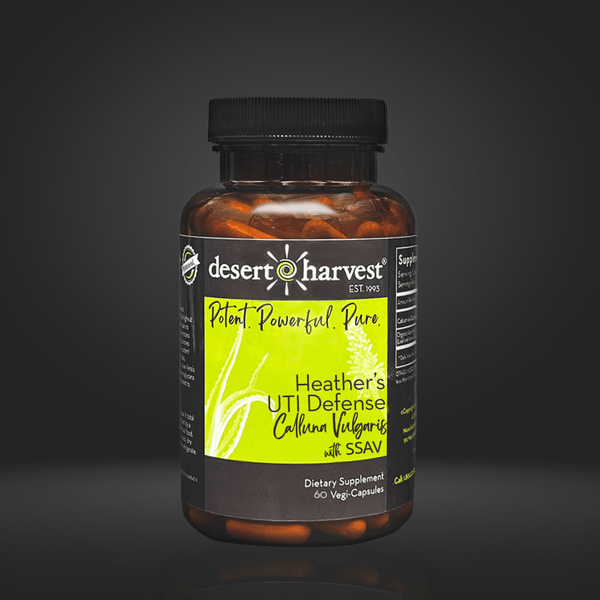
Desert Harvest Europe offers a heather-based food supplement for those who would like a botanical companion to their daily hydration and bladder-friendly habits. We describe it simply as a food supplement that may form part of your everyday urinary comfort routine — never as a treatment, and never with any claim to prevent or cure. For the fuller picture, our pillar guide to urinary comfort and bladder wellbeing sets heather alongside cranberry and D-mannose in a calm, neutral comparison, and you can browse all of our urinary wellness articles for more.
When to speak to a healthcare professional

Supplements and self-care sit alongside medical care, not in place of it. Do see your GP or pharmacist if you have burning when passing water, blood in your urine, a fever, back or side pain, or symptoms that keep returning — these need proper assessment, and an infection may need antibiotics. After the menopause, it is also worth asking your doctor about vaginal oestrogen, a recognised medical option for genitourinary symptoms. If you take other medicines or have a health condition, have a quick word with your pharmacist before starting any new supplement.
The menopause is a natural transition, and changes to your bladder need not be something to put up with in silence. With a little knowledge, steady daily habits and the right support, most women can look after their urinary and bladder wellbeing with confidence.
Good to know
Frequently asked questions
Why do I get more urinary problems after the menopause?
Is it safe to take D-mannose or cranberry long term?
Does drinking more water help your urinary tract?
What is heather (Calluna vulgaris) traditionally used for?

Food supplement notice: this article is general educational information and is not medical advice. The products mentioned are food supplements, not medicines, and are not intended to diagnose, treat, cure or prevent any disease. Food supplements should not be used as a substitute for a varied, balanced diet and a healthy lifestyle. If you have symptoms or a health concern, please speak to your GP, pharmacist or another qualified healthcare professional.