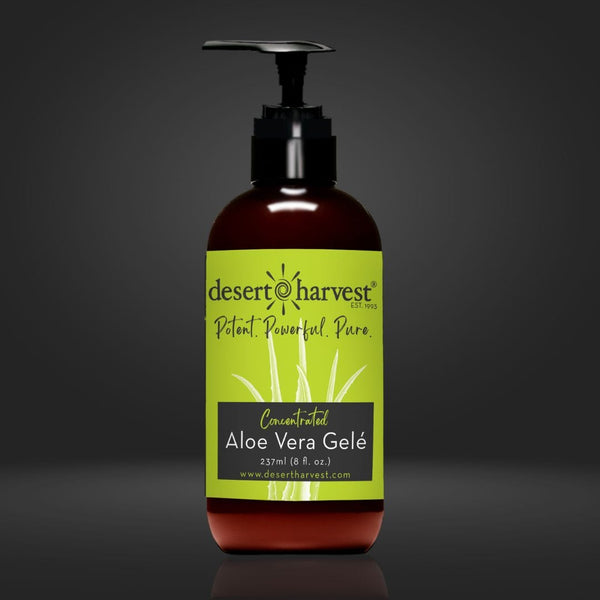
In short: Aloe Vera will not erase a scar, and no honest product claims to. What a well-made Aloe Vera cream can do is keep scarred skin comfortable, soft and well hydrated, which is exactly the kind of everyday care that helps skin look and feel its best. This is an honest look at where Aloe Vera genuinely helps with the appearance of scars, where its limits are, and how to set realistic expectations.
Scars are a normal part of how skin matures after it has been marked, whether by surgery, an everyday accident or the passage of time. They change slowly, often over many months, and they never quite vanish. Any product or routine should be judged against that reality rather than against the airbrushed promises that sometimes surround scar care. So let us be straight about Aloe Vera.
What Aloe Vera can realistically do

As a cosmetic ingredient, Aloe Vera looks after the surface and feel of the skin. Used regularly on a settled, fully closed scar, an Aloe Vera-rich cream can:
- Hydrate and soften skin that often feels dry, tight or rough around an older mark.
- Soothe the feeling of tightness, leaving skin feeling more supple and comfortable.
- Support the skin's natural moisture, which helps the area look smoother and more even in tone over time.
- Make daily massage easier, because a slip-friendly cream is more pleasant to work with than dry skin alone.
Notice the language. The honest claim is about the appearance of skin, comfort and hydration, not about removing or repairing the scar itself. That distinction is not just careful wording; it is the truth of what a cosmetic can do.
What Aloe Vera cannot do
It is just as important to be clear about the limits. A cosmetic cream cannot make a scar disappear, cannot change the underlying structure of mature scar tissue, and is not a medical treatment. If you have a raised, spreading, painful or recently formed scar, or one that concerns you, that is a conversation for a doctor, pharmacist or dermatology professional, not a jar of cream. Aloe Vera belongs to the gentle, everyday-care end of the spectrum.
There is also an evidence reality to acknowledge. For raised hypertrophic and keloid scars, the option with the strongest body of clinical evidence behind it is silicone, which international scar-management guidelines describe as a first-line choice. Aloe Vera is not competing in that lane. We compare the two honestly in our piece on Aloe Vera versus silicone for scars, because pretending otherwise would not serve you.
Where Aloe Vera fits best

Aloe Vera shines as the comfortable, sensitive-skin-friendly choice for ongoing daily care of a settled scar, especially if your skin is reactive and dislikes heavily fragranced products. It pairs naturally with gentle massage, which many people find helps the skin around an old mark feel softer and more flexible. If you would like a step-by-step approach, our guide to caring for a scar at home walks through technique and timing.
Our Aloe Renew Scar Cream is built for exactly this job: an Aloe Vera-rich, considered choice for the daily care of skin around older and newer marks, with a softer, calmer character than the more clinical creams on the shelf. You can see how it sits within the wider range on our sensitive skin and Aloe Vera hub.
Setting realistic expectations
Skin changes slowly. Any difference in how a scar looks tends to be gradual and modest, measured over months of consistent care rather than days. The most useful mindset is patience plus consistency: a little Aloe Vera cream, gently massaged in once or twice a day, kept up over a long stretch. Photographs taken a few weeks apart can help you see slow change that day-to-day looking tends to miss.
A few sensible cautions
- Only apply cosmetic creams to skin that is fully closed and settled, never to an open or recent wound.
- Patch test first, particularly if your skin is reactive.
- Protect a scar from the sun, as marks can darken with sun exposure; daytime SPF over a settled scar is wise.
- If anything about a scar changes, grows or causes concern, ask a healthcare professional.
The honest bottom line
Aloe Vera is a kind, sensible part of looking after the appearance of a scar, valued for comfort, softness and hydration rather than miracles. Used patiently on settled skin, an Aloe Vera-rich cream helps the area feel supple and look its best, while gentle massage keeps it part of a calm daily ritual. Expect gradual, modest change, keep it up, and seek professional advice for anything that worries you.

Good to know
Frequently asked questions
Does Aloe Vera help with scars?
How long does it take to see a difference in a scar's appearance?
Can I put Aloe Vera on a new or open wound?
Is Aloe Vera better than scar oils or silicone?

For external use only, on fully closed and settled skin. Avoid open or recent wounds, patch test before first use, and protect a scar from the sun. This article is general cosmetic information about the appearance of skin, not medical advice; our Aloe Vera products are cosmetics, not medicines. For any scar that concerns you, please consult a healthcare professional.