The vulva and the vagina are not the same thing, and knowing the difference makes intimate care much clearer. In short, the vulva is the external part you can see and touch, including the labia, clitoris and the opening, while the vagina is the internal canal inside the body. They need different kinds of care: the vulva is skin that benefits from gentle external products, while the vagina is self-cleaning and best left alone internally.
This is a calm, plain-English guide to the difference and to caring for the external skin. It is general information, not medical advice.
What is the vulva, and what is the vagina?
The terms are often used interchangeably, but they describe different areas. The vulva is the collective name for the external genitals: the mons, the outer and inner labia, the clitoris, and the area around the vaginal and urethral openings. The vagina is the muscular internal canal that connects the vulva to the cervix. When people say they want to care for the area, they almost always mean the vulva, the part that is skin and is exposed to clothing, friction and products.

Why the distinction matters for care
The vagina maintains its own balance and is self-cleaning, which is why internal washing or douching is generally discouraged and can upset its natural environment. The vulva, on the other hand, is skin, and like any delicate skin it can become dry, sensitive or chafed, and it can benefit from gentle external care. Getting this right means you focus your attention where it helps and leave the internal area to look after itself.
How to care for your vulva
Vulva care is refreshingly simple. A few gentle habits cover most of it:
- Cleanse gently and externally. Warm water, or a fragrance-free, pH-aware wash used on the outside only, is usually all that is needed.
- Skip the fragrance. Perfumed soaps, wipes and sprays are common irritants for delicate vulval skin.
- Pat dry and choose breathable fabrics. Cotton underwear and avoiding tight synthetics help the skin stay comfortable.
- Moisturise the external skin if it feels dry. A soothing balm made for the vulva can comfort dry, sensitive external skin.

How vulval skin can change over time
Like skin elsewhere, the vulva can change with the seasons, hormonal shifts and life stages. During and after menopause, falling oestrogen can leave the external skin feeling drier, thinner and more easily irritated, and the same can be true after childbirth or during times of stress. Friction from exercise, tight clothing or hair removal can add to it. None of this means anything is wrong; it simply means the skin may appreciate a little extra gentle, fragrance-free moisture during those phases. Listening to how the skin feels, and easing off anything that stings, is the most reliable guide.
External skin care versus internal comfort
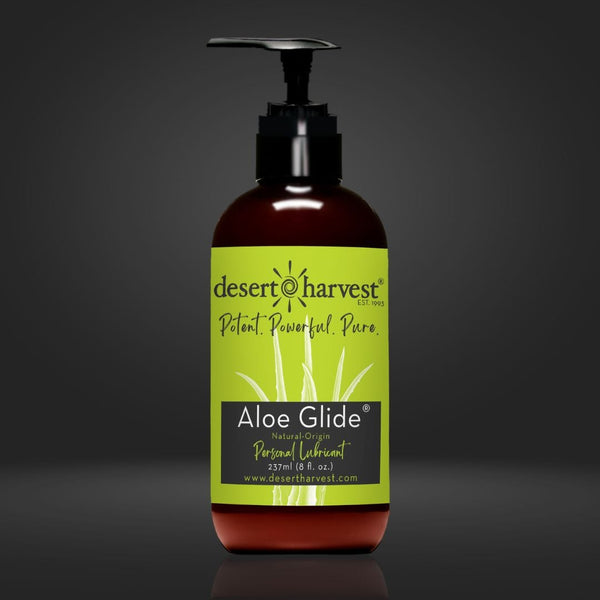
It helps to match the product to the area. For the external skin of the vulva, a cosmetic balm is the right tool: our Vulva & Body Balm is a soothing, fragrance-free balm that moisturises and comforts dry, sensitive external skin. For internal comfort and hydration, a separate intimate moisturiser or lubricant is the appropriate choice. Keeping these roles distinct, external balm for skin and an intimate moisturiser for internal comfort, is the simplest way to care for both areas well.
Do you need a special feminine wash?
Not necessarily. Many people are perfectly comfortable using just warm water on the vulva. If you prefer to use a wash, choosing a gentle, fragrance-free, pH-aware one for external use is the key, and the vagina itself never needs internal cleansing. The aim is to support, not strip, the skin's natural balance.
To see how external care, internal comfort and gentle cleansing fit into one calm routine, visit our Pelvic and Intimate Wellness hub, and for more on soothing balms specifically, read what is a vulva balm.
Good to know
Frequently asked questions
What is the difference between the vulva and the vagina?
The vulva is the external part you can see, including the labia, clitoris and the openings. The vagina is the internal canal inside the body. The vulva is skin that benefits from gentle external care, while the vagina is self-cleaning and best left alone internally.
How should I care for my vulva, and do I need a feminine wash?
Gentle is best: warm water or a fragrance-free, pH-aware wash used externally, breathable fabrics, and a soothing balm if the skin feels dry. A special wash is optional; many people simply use water. The vagina itself never needs internal cleansing.
Is aloe vera safe for sensitive intimate skin?
Aloe is generally considered gentle and is often chosen for sensitive skin, but everyone differs. Patch test before first use and choose fragrance-free formulas. If you have known plant allergies or any concerns, speak to a pharmacist.
Can I use the same product on the vulva and inside?

It is best to match the product to the area: a cosmetic balm for the external skin of the vulva, and a separate intimate moisturiser or lubricant for internal comfort. Always follow each product's directions for where and how to use it.

This article is general information about intimate comfort and is not medical advice. Vulva & Body Balm is a cosmetic product for external use only, made to soothe and moisturise dry, sensitive external skin; it is not a medicine and is not intended to diagnose, treat or cure any condition. Patch test before first use. If symptoms persist or concern you, please speak to a pharmacist or GP.