If your bladder hurts and a urine test keeps coming back clear, it is natural to wonder what is going on. This page describes the symptoms of interstitial cystitis, also called bladder pain syndrome (IC/BPS), in the plain words women use for them. It cannot tell you whether you have it. Only a doctor can do that.
In short: The NHS lists pain in the bladder, lower tummy or back, a need to pee even when the bladder is empty, peeing often in small amounts, waking at night to pee, and sometimes small leaks or pain during sex. Symptoms come and go, with flare-ups and better spells. Having some of these does not mean you have IC/BPS, so see your GP, who can look for other causes first.
What the NHS lists as symptoms
The NHS describes bladder pain syndrome, also known as interstitial cystitis, as a condition that causes pain in your lower tummy or back and makes you feel you want to pee all the time. Its list of symptoms is short:
- pain in the bladder, lower tummy or back
- feeling you need to pee, even when your bladder is empty
- peeing often, usually just small amounts, during the day
- waking up at night to pee
- leaking a small amount of pee if you do not get to a toilet quickly enough
- pain during sex
You may also feel discomfort as your bladder fills after drinking, with some relief when you pee. The NHS says it is more common in women than in men and usually affects people aged 40 or above. Men can have it too. For the full explanation of what IC/BPS is, read our interstitial cystitis guide.
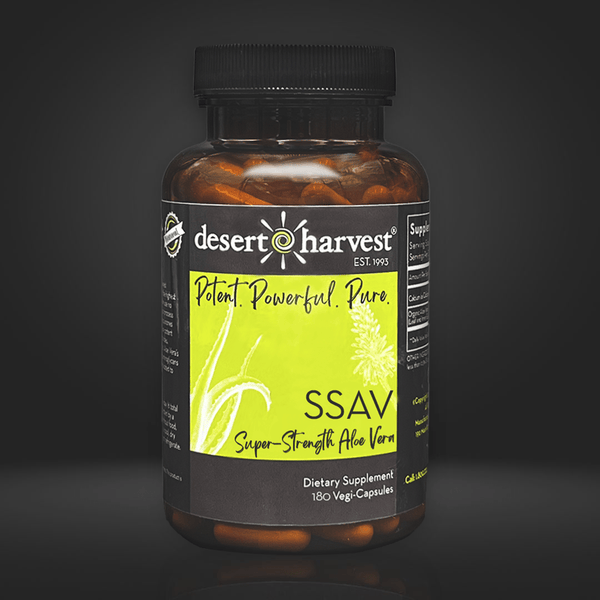
 Related productSuper-Strength Aloe Vera (SSAV) Capsules – for Interstitial Cystitis (IC/BPS) & a Sensitive Bladder4.88· 957 reviews1.818,00 Kč
View product
What each symptom feels like
Words on a list can feel far away from a sore bladder. Here is how people describe each one.

- Pain or pressure. Many people describe a deeper ache, pressure or burning low in the tummy.
- An urge that does not ease. The feeling that you need to go stays, even after you have just been.
- Small amounts. You go often during the day, but only a little comes out each time.
- Pain that builds as the bladder fills. Discomfort grows as you drink and the bladder fills, and it often eases for a short while after you pee.
That last pattern, pain that builds as the bladder fills and eases after emptying, is worth describing clearly to your GP, because it helps a doctor tell IC/BPS apart from other bladder problems.
How symptoms change over a day, a week and a month
Symptoms of bladder pain syndrome come and go over time, the NHS says. There are usually times when they get worse, called flare-ups, and times when they are better.
In daily life that can mean a settled morning and a sore evening, a quiet week followed by a hard few days, or a calm stretch of weeks and then a flare. People link their flares to food and drink, stress, tiredness and hormonal changes, including the days around a period for those who still have one. Triggers are personal, and no single list fits everyone.
Symptoms that are easy to miss or hard to mention
Some symptoms are easy to put down to age, or are simply awkward to say out loud. They still count, and your GP will want to hear about them.

- Pain during sex. The NHS lists it, and women can find penetration painful.
- Small leaks. A little pee may leak if you cannot reach a toilet quickly enough.
- Waking at night. Getting up to pee in the night wears you down over time.
There is an emotional side as well. Planning your day around toilets, broken sleep and not always feeling believed is tiring. That is a normal response, not weakness. The NHS lists support for low mood or anxiety among the help that is available. If a flare is under way now, our calm routine for getting through a flare offers gentle ideas for the day.
How it differs from a UTI, and when to see a GP
A urinary tract infection (UTI) is caused by bacteria. It usually shows on a urine test, and antibiotics usually help. With IC/BPS, urine tests usually come back clear and antibiotics typically do not help. Our article on interstitial cystitis and UTI sets out the differences in one place.
When to get medical help
Ask for an urgent GP appointment, or call NHS 111 in the UK or your local out-of-hours doctor elsewhere, if you have:
- blood in your pee, which may be bright pink, red or dark brown
- bladder, lower tummy or back pain together with a very high temperature, or you feel very hot, or cold and shivery. These could be signs of an infection.
Book a GP appointment if the pain in your bladder, lower tummy or back does not settle or keeps coming back, or if you are peeing much more than you usually do.
A simple symptom diary to take with you
A few notes make a short appointment go further. Jot down:
- where the pain is, and whether it builds as your bladder fills and eases after you pee
- roughly how often you go in the day, and how often you wake at night
- what you ate and drank beforehand
- how you slept, how stressed you felt, and, if you still have periods, where you were in your cycle
- any leaks, or pain during sex
Our IC/BPS questionnaire is another way to put your symptoms into words before you see your GP. It is a prompt for reflection, not a diagnosis.
If you are building a daily routine
Some people living with IC/BPS add a food supplement to their day. Super-Strength Aloe Vera (SSAV) is Desert Harvest's freeze-dried, purified, anthraquinone-free Aloe Vera, concentrated 200:1, in vegan capsules. The label says three capsules twice a day (six in total), each time with about 240 ml of liquid, and a bottle of 180 capsules lasts about a month. It is a food supplement, not a medicine, and no health claims are authorised for Aloe Vera in the EU. If you are pregnant, breastfeeding or taking medication, ask your doctor or pharmacist first.
Good to know