That low, nagging discomfort below the belly button. The sudden need to dash to the loo. A faint stinging that you are not quite sure about. When something feels off with your urinary system, the first question is usually the hardest: is this a urinary tract infection, or is it something else entirely?
This plain-language guide walks through the signs people most often notice, what can mimic a UTI, and when it is sensible to check in with a healthcare professional. It is not a diagnosis — only your GP can give you that — but it can help you feel more informed and a little less anxious.
What a urinary tract infection usually feels like
A UTI tends to bring a fairly recognisable cluster of sensations. Not everyone gets all of them, and they can be mild or more insistent.
- A burning or stinging feeling when you pass urine
- Needing to go more often, sometimes with very little coming out
- A sudden, urgent need that is hard to put off
- Urine that looks cloudy, darker or has a stronger smell
- A dull ache low in the tummy or around the pelvis
When these arrive together and build over a day or two, a UTI is a common explanation. Our deeper look at why recurrent UTIs happen covers the pattern in more detail.
Things that can feel similar
Plenty of other situations can produce overlapping sensations, which is exactly why it is worth paying attention rather than assuming.
Bladder irritation from food, drink or products
Caffeine, fizzy drinks, very acidic foods and some scented washes can leave the bladder feeling sensitive without any infection at all. If your discomfort tends to follow certain habits, that is a useful clue.
Interstitial cystitis and a sensitive bladder
Some people live with ongoing bladder discomfort, sometimes called interstitial cystitis or painful bladder syndrome, where the urge and pressure are real but a standard infection test comes back clear.
Hormonal changes
Around the menopause, shifting hormones can make the urinary area feel drier and more reactive. Our gentle guide to bladder wellbeing after the menopause explores this kindly.
Dehydration
Concentrated urine from simply not drinking enough can sting on its own. A steady fluid routine often takes the edge off — see how much water really helps.
When to speak to a healthcare professional
Self-awareness is helpful, but some signs deserve a proper check rather than a wait-and-see approach. Contact your GP, pharmacist or out-of-hours service if you notice:
- Blood in your urine
- Pain in your back or side, a high temperature or shivering
- Symptoms that last more than a couple of days or keep returning
- You are pregnant, or symptoms appear in a child or older relative
These can point to something that needs prompt attention, so it is always better to ask.
Supporting everyday urinary comfort
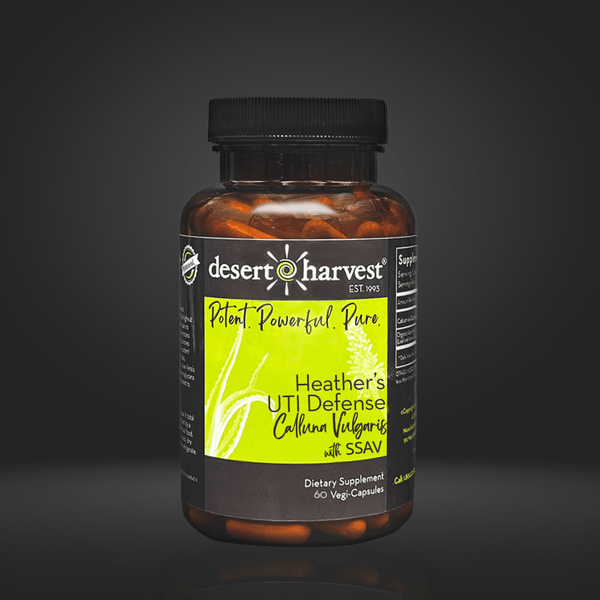
Between episodes, many people like to build calm, consistent habits — steady hydration, gentle bathroom routines and a considered diet. You can read the bigger picture on our pillar page, urinary comfort and bladder wellbeing, and browse related products in the pelvic health collection. Some people also choose a daily food supplement such as Heather's UTI Defense, which brings together heather, cranberry and D-mannose; you can learn more on the Heather's UTI Defense page.
Common questions
Can I tell for certain whether it is a UTI at home?
Not with full confidence. Home dip tests give a rough indication, but only a healthcare professional can confirm an infection and advise on the right next step.
Why does it sting when my test comes back clear?
A clear result with ongoing discomfort can point to bladder sensitivity, irritation from diet, or hormonal changes rather than infection. It is worth discussing the pattern with your GP.
Should I drink lots of water if I think I have a UTI?
Staying well hydrated is sensible, but it is not a replacement for medical advice if symptoms are strong or persistent.
Food supplements are not a substitute for a varied, balanced diet and a healthy lifestyle. If symptoms persist, please speak to your GP or pharmacist.