Vaginal dryness is one of the most common changes women and people with vulvas notice during perimenopause and menopause, and it is nothing to feel awkward about. As oestrogen levels shift, intimate tissue can feel less supple, thinner and more easily irritated, which can affect everyday comfort and confidence. The reassuring part is that this is common, well understood, and there are gentle, hormone-free ways to support comfort day to day.
This is an educational guide to understanding the change and the calm, practical habits many people find helpful. It is not medical advice, and it does not describe a treatment or a cure.
Why intimate tissue changes around menopause
Oestrogen helps keep the tissue of the vulva and vagina supple, well-lubricated and elastic. As levels fall during perimenopause and menopause, that natural moisture can reduce, and the tissue can become more delicate. According to the British Menopause Society and NHS guidance, around half of women going through menopause notice intimate dryness or related discomfort at some point, although many never mention it to anyone.

It can show up as a feeling of tightness, sensitivity to fabrics or soaps, discomfort during exercise, or dryness that simply makes everyday life feel less comfortable. None of this means anything is wrong with you. It is a normal life-stage change, and you have options.
Everyday comfort: small habits that help
Many people find that a few gentle adjustments make a noticeable difference to day-to-day comfort:
- Keep cleansing simple and gentle. The vulva is delicate skin. Plain water, or a fragrance-free, pH-aware intimate wash used externally, is usually kinder than heavily perfumed soaps or shower gels.
- Choose breathable fabrics. Cotton and soft, breathable underwear tend to feel more comfortable against sensitive skin than tight synthetics.
- Avoid fragranced products. Perfumes, wipes and douches can be irritating to already-sensitive tissue. Fragrance-free is a sensible default.
- Stay hydrated and keep moving. General hydration and regular gentle movement support overall wellbeing during menopause.
- Reach for a moisturiser or lubricant for comfort. An intimate moisturiser used as part of a routine, or a personal lubricant for in-the-moment comfort, is something many people find helpful.
Daily moisture versus in-the-moment comfort
It helps to know that an intimate moisturiser and a lubricant do slightly different jobs. A moisturiser is typically used regularly, every few days, to support ongoing comfort and hydration of intimate tissue. A lubricant is used in the moment, for example before or during intimacy, to reduce friction. Some products, such as an Aloe Vera-based gel, can comfortably do both. We explain this in more detail in our guide to lubricant versus intimate moisturiser.

Where Aloe Vera-based intimate care fits
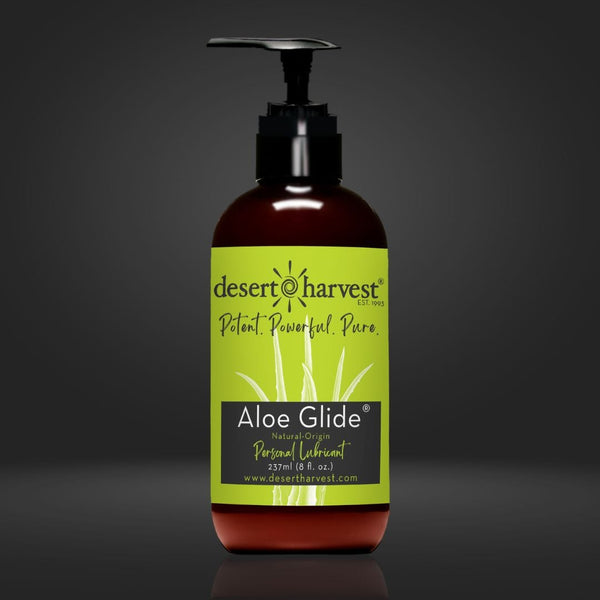
Aloe Vera has a long history in skin and intimate care because it is naturally soothing and hydrating. Our Aloe Glide intimate moisturiser and personal lubricant is an Aloe Vera-led, glycerin-free, fragrance-free option made for everyday intimate comfort and hydration. It is designed to feel gentle on sensitive tissue, whether used as part of a daily routine or in the moment.
For the external skin of the vulva, a separate soothing balm can be a comforting addition. Together, a gentle wash, an intimate moisturiser and an external balm form a simple, calm comfort routine. You can explore the full picture on our Pelvic and Intimate Wellness hub.
When to speak to a professional
Comfort products support everyday wellbeing, but they are not a substitute for medical advice. If dryness is persistent, painful, accompanied by bleeding, unusual discharge, itching or a change you are unsure about, it is worth speaking to a pharmacist, GP or menopause specialist. They can talk you through all the options available to you, including approaches that comfort products are not designed to replace.
Good to know
Frequently asked questions
Is vaginal dryness normal during perimenopause and menopause?
Yes. Intimate dryness is one of the most common changes during perimenopause and menopause as oestrogen levels shift, and around half of women experience it at some point. It is a normal life-stage change rather than something to feel embarrassed about.
What can help with vaginal dryness without using hormones?
Many people find gentle, hormone-free habits supportive: simple fragrance-free cleansing, breathable fabrics, avoiding perfumed products, and using an intimate moisturiser or lubricant for comfort. These support everyday comfort and are not a medical treatment. A pharmacist or GP can discuss other options.
Is it safe to use a lubricant or intimate moisturiser every day?
A gentle, fragrance-free and glycerin-free intimate moisturiser is generally designed for regular use. Always patch test first and follow the directions on the pack. If you notice any irritation, stop and speak to a pharmacist.
What is the difference between a lubricant and a vaginal moisturiser?

A moisturiser is used regularly to support ongoing comfort and hydration, while a lubricant is used in the moment to reduce friction. Some Aloe Vera-based products can be used for both purposes.

This article is general information about intimate comfort and is not medical advice. Aloe Glide is an intimate moisturiser and personal lubricant intended for intimate comfort and hydration, used as directed; it is not a medicine and is not intended to diagnose, treat or cure any condition. Patch test before first use. If symptoms persist or concern you, please speak to a pharmacist, GP or menopause specialist.